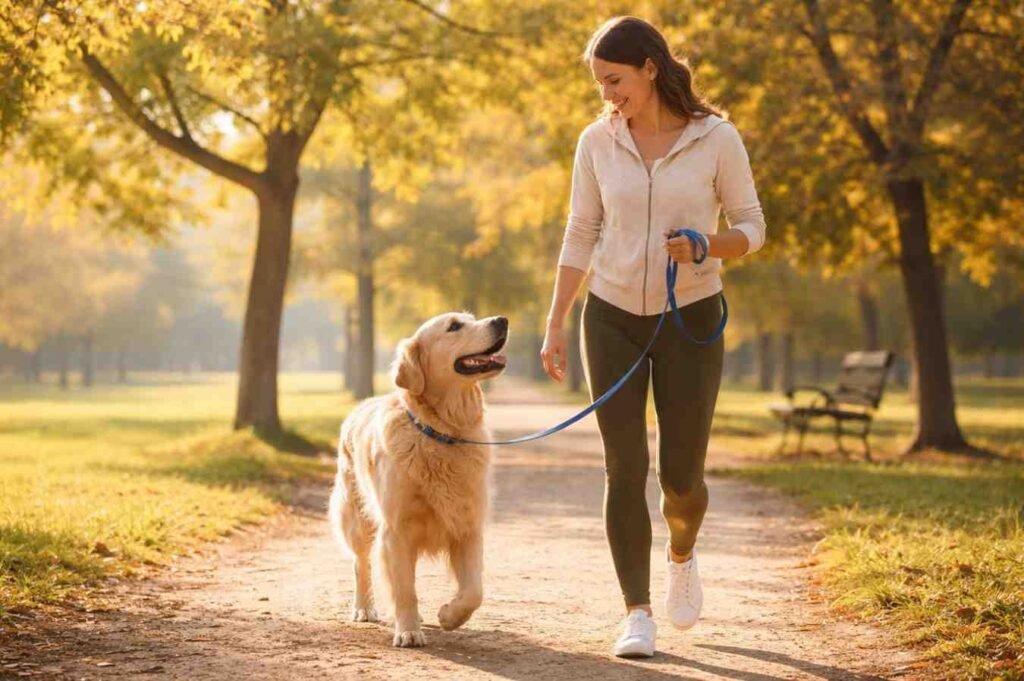

Living with a dog long enough teaches you something quickly: they are always communicating. Not through words, but through posture, movement, and tiny changes in their face. I remember noticing how a dog’s tail could wag in two completely different ways depending on the situation. One wag meant excitement at the door. Another meant uncertainty around a stranger. The difference was subtle, but obvious once you learned what to look for.
Understanding dog body language becomes easier when you stop focusing on just one signal. Dogs communicate with their entire body. The tail, ears, eyes, and stance all work together. A single cue can be misleading, but when you read the full picture, a dog’s mood becomes surprisingly clear.
Why Understanding Dog Body Language Matters

Dogs rarely jump straight to barking or aggression. Long before that happens, they communicate through body language. These cues are their way of saying they feel relaxed, playful, nervous, or uncomfortable.
When people miss these signals, misunderstandings happen. A dog that is stressed might be mistaken as calm. A wagging tail might be interpreted as friendliness even when the dog feels uneasy.
Learning how dogs communicate helps with several things:
- Preventing stressful or unsafe interactions
- Recognizing early signs of anxiety or fear
- Building trust between the owner and the dog
- Responding appropriately to behavior changes
Once you start noticing these cues in everyday situations during walks, playtime, or meeting strangers, you begin to read your dog almost instinctively.
The Most Common Dog Body Signals That Reveal Mood
Dogs express emotions through a combination of tail movement, ear position, facial expression, and posture. Each signal adds another layer to what the dog is feeling in that moment.
Tail Movement
Many people assume a wagging tail means a happy dog. In reality, a wagging tail simply signals emotional arousal. The meaning depends on speed, height, and stiffness.
A loose, wide wag usually indicates a relaxed and friendly dog. This is the kind of wag you often see when dogs greet familiar people.
A high and stiff wag can signal heightened alertness. In some situations, it may suggest agitation or a readiness to react.
A tail tucked tightly against the belly is one of the clearest signs of fear or anxiety. Dogs may display this posture when they feel threatened or unsure.
A slow wag held low often indicates caution. Dogs sometimes show this when approaching someone new or entering an unfamiliar environment.
Researchers have also observed that the direction of the wag may reveal emotional state. Dogs tend to wag more toward the right when experiencing positive emotions and toward the left when dealing with stress or uncertainty.
Ear Position

A dog’s ears often work like emotional antennae. They constantly shift depending on what the dog is focusing on.
Ears perked forward typically indicate curiosity or alertness. The dog has noticed something interesting and is paying attention.
When ears sit in their natural, relaxed position, the dog is usually calm and comfortable. This is a common sign that your dog trusts you when they are resting or casually observing their surroundings.
Flattened ears pinned back against the head can signal fear, stress, or submission. Dogs may adopt this position during tense encounters.
Some dogs move their ears rapidly back and forth. This swiveling motion suggests they are processing multiple sounds or feeling uncertain about a situation.
Eyes And Facial Expressions

A dog’s face can reveal emotional changes before any other body signal appears. Subtle shifts in the eyes or mouth often indicate how comfortable the dog feels.
Soft eyes with relaxed eyelids usually signal a calm and trusting dog. The gaze feels gentle rather than intense.
When a dog shows the whites of its eyes, sometimes called “whale eye,” it often indicates stress or discomfort. This happens when the dog keeps its head still but moves its eyes sideways.
A hard, fixed stare is a much stronger signal. This kind of intense gaze can be a warning sign and may appear when a dog feels threatened.
The mouth also provides clues. A relaxed, slightly open mouth with the tongue hanging loosely often means the dog is content.
Lip licking or yawning outside of eating or sleeping contexts can be calming signals. Dogs use these behaviors to reduce tension or communicate that they feel uneasy.
Body Posture And Movement

A dog’s posture tells you how confident or cautious they feel in a moment.
A classic example is the play bow. When a dog lowers the front legs while keeping the rear end raised, it’s a universal invitation to play. Many dogs repeat this gesture during friendly interactions.
When a dog shifts weight forward, it often indicates strong interest or confidence. In some cases, it may also signal a readiness to react if the dog feels challenged.
A cowering or hunched posture usually reflects fear or submission. Dogs may lower their body, tuck their tail, and avoid eye contact when they feel overwhelmed.
Raised hackles when the fur along the spine stands up indicate heightened emotional arousal. This can happen during excitement, fear, or confrontation. It doesn’t automatically mean aggression, but it signals that the dog is highly stimulated.
Subtle Signals Many Owners Miss

Some of the most important communication signals dogs use are extremely subtle. These behaviors are easy to overlook but often appear before more obvious reactions.
Common stress signals include:
- Lip licking when no food is present
- Yawning in tense situations
- Turning the head away
- Avoiding eye contact
- Freezing briefly before moving away
Dogs use these small gestures to diffuse tension or signal that they feel uncomfortable. When people recognize these cues early, it becomes easier to prevent stressful situations.
Reading Multiple Signals Together

The most accurate way to interpret dog behavior is to observe the entire body rather than a single signal.
Imagine a dog approaching a visitor. The tail may be wagging, but if the ears are pinned back and the body posture looks stiff, the dog may actually feel nervous.
In another situation, a dog may have relaxed ears, soft eyes, and a loose wagging tail. Combined together, these signals clearly indicate comfort and friendliness.
Context always matters. The same body signal can mean different things depending on the environment, the people involved, and the dog’s previous experiences.
Frequently Asked Questions
1. What is the most reliable sign of a relaxed dog?
A relaxed dog typically shows loose body posture, soft eyes, and a natural tail wag. Their movements appear fluid rather than stiff or tense.
2. Does a wagging tail always mean a dog is happy?
No. A wagging tail signals emotional arousal, not necessarily happiness. The height, speed, and stiffness of the wag help determine the dog’s emotional state.
3. Why do dogs lick their lips when nothing is happening?
Lip licking can be a calming signal. Dogs often use it to relieve stress or communicate that they feel uncomfortable in a situation.
4. What does it mean when a dog shows the whites of their eyes?
This behavior, often called whale eye, usually indicates anxiety or discomfort. It often appears when a dog feels threatened or wants space.
Final Thoughts
Learning to read dog body language changes the way you interact with dogs. Instead of reacting to obvious behaviors like barking or growling, you begin to notice the earlier signals. The shift in posture, the change in eye expression, or the way the ears move suddenly makes sense. These small cues reveal what a dog is feeling long before they vocalize it.
Once you start paying attention, your dog’s silent language becomes surprisingly clear. The more you observe, the easier it becomes to respond in ways that build trust and keep interactions calm and safe.