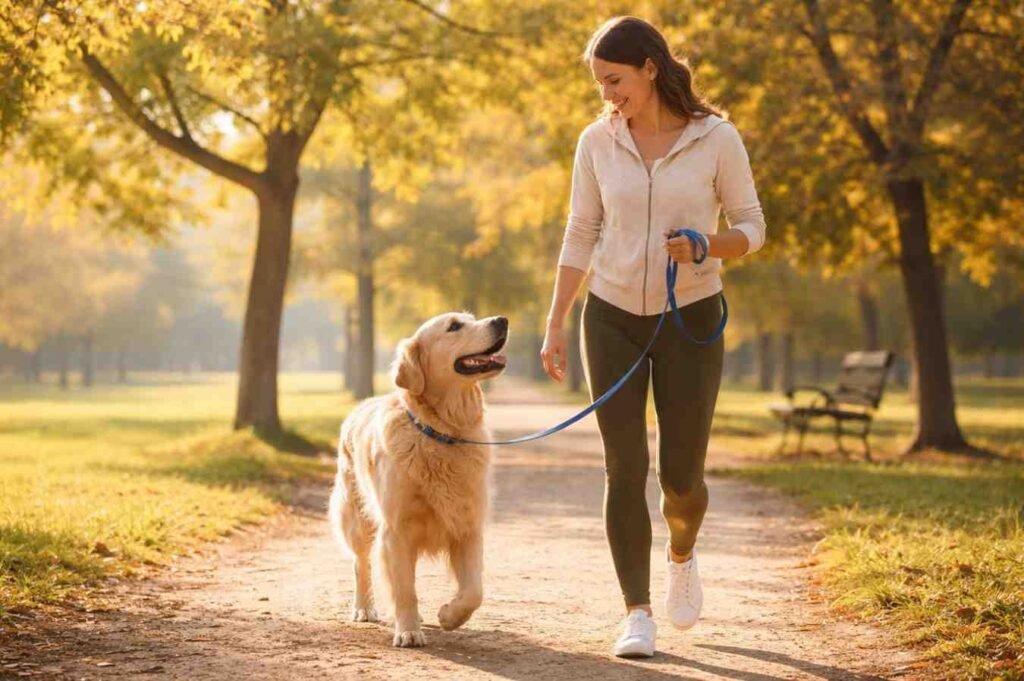

Trust between a dog and a human doesn’t happen overnight. It builds slowly through everyday routines, morning walks, quiet evenings on the couch, and those little moments when your dog simply chooses to stay close. Over time, you start noticing subtle behaviors that feel like more than just habit. They feel loyalty.
Dogs don’t express trust through words. Instead, they rely on body language, behavior, and instinct. When a dog truly feels safe with someone, their actions reveal it clearly. Some of these signs are obvious, while others are surprisingly subtle, but together they paint a clear picture of a deep bond.
Prolonged, Soft Eye Contact

When a dog looks at you with relaxed eyes rather than a hard stare, it’s a powerful sign of trust. In canine communication, direct staring can signal tension or challenge. But a soft gaze is something entirely different.
During these calm moments of eye contact, both dogs and humans release oxytocin, often called the “love hormone.” The same hormone strengthens the emotional connection between parents and infants. When your dog looks at you this way, it signals comfort, safety, and emotional attachment.
You might notice this gaze during quiet moments while sitting together on the couch or during calm interaction after playtime.
Exposing the Belly
The belly is one of the most vulnerable parts of a dog’s body. When a dog rolls onto their back and exposes it they are essentially saying they feel completely safe.
This behavior often appears in two ways:
- Rolling over for belly rubs
- Sleeping on their back with legs stretched out
Both behaviors show the dog feels secure enough to let their guard down. In natural canine behavior, exposing the belly would rarely happen unless the environment feels safe.
Sleeping Near You

Dogs are instinctively cautious while resting. Sleep is when animals are most vulnerable, so they naturally prefer safe environments and trusted companions nearby.
If your dog chooses to sleep near your bed, beside your feet, or in the same room, it usually means they trust you to protect the “pack.” Many dogs prefer these sleeping spots even if they have their own comfortable bed elsewhere.
Over time, these sleeping habits often become part of a dog’s routine because they associate proximity with security.
Checking In During Adventures
When dogs explore parks, trails, or new environments, confident dogs still tend to check back with the person they trust.
You might notice your dog running ahead, then briefly turning around to look at you before continuing their adventure. This quick glance is meaningful. It shows they see you as their home base, a reliable point of safety.
Dogs that feel secure in their relationship often display this behavior during off-leash walks or unfamiliar environments.
Stealing Your Scented Items

Many dog owners have experienced the mystery of missing socks, slippers, or shirts. While it can be frustrating, the reason behind it is actually comforting.
Dogs rely heavily on scent to understand the world around them. Your clothing carries a familiar smell that reminds them of safety and companionship. When dogs collect or sleep with your items, they’re often seeking that comforting scent.
You might notice your dog bringing these items to their bed or resting beside them.
Leaning on You
When a dog leans their body weight against you, it’s more than a random gesture. It’s often a subtle sign of trust and comfort.
This behavior can happen in several situations:
- While standing next to you
- During calm moments at home
- When the dog wants reassurance
Leaning acts almost like a canine version of a hug. The dog is seeking contact with someone they trust and feel secure around.
Handling “Less Fun” Tasks Peacefully

Certain tasks are uncomfortable for dogs. Nail trimming, brushing teeth, cleaning paws, or grooming sensitive areas can make many dogs anxious.
When a dog allows you to handle these tasks calmly, it usually reflects deep trust. They believe you won’t harm them, even during procedures they don’t enjoy.
This kind of cooperation doesn’t happen instantly. It typically develops through consistent handling, patience, and positive experiences over time.
Mirroring Your Yawns
One surprisingly interesting sign of trust is contagious yawning. Research suggests that dogs are more likely to yawn after seeing someone they trust yawn first.
This behavior is linked to emotional connection and empathy. In social animals, contagious yawning often appears among individuals who share a close bond.
While not every dog displays this behavior, it can sometimes happen during calm moments when a dog is closely observing their owner.
Bringing You Their Toys

When a dog brings you a favorite toy, it may look like an invitation to play. Sometimes it is, but not always.
In canine social behavior, sharing valued items signals trust. Toys are often a dog’s prized possessions. When they willingly bring one to you, they’re showing that they feel comfortable sharing something important.
This gesture can also indicate that your dog sees you as a trusted companion within their social group.
FAQs
1. How do you know if your dog trusts you completely?
Dogs show trust through relaxed body language, choosing to stay close, maintaining soft eye contact, and allowing physical handling. These behaviors indicate they feel safe and secure around you.
2. Why does my dog follow me everywhere?
The following behavior often reflects attachment and trust. Dogs naturally stay close to individuals they consider part of their social group or pack.
3. Do dogs trust the person who feeds them the most?
Food can strengthen bonds, but trust usually develops through consistent care, positive experiences, and emotional interaction rather than feeding alone.
4. Can trust with a dog be rebuilt?
Yes. Patience, gentle handling, consistent routines, and positive reinforcement can gradually rebuild trust with dogs that have experienced stress or negative situations.
Final Thoughts
Trust is one of the most meaningful parts of a relationship with a dog. It isn’t built through a single action but leash training tips through countless everyday moments feeding them, walking together, offering comfort when they feel unsure, and simply being present. Over time, these routines create a sense of security that dogs deeply value.
When you start noticing behaviors like relaxed eye contact, leaning against you, or choosing to sleep nearby, it’s a strong indication that your dog sees you as a safe and reliable companion.