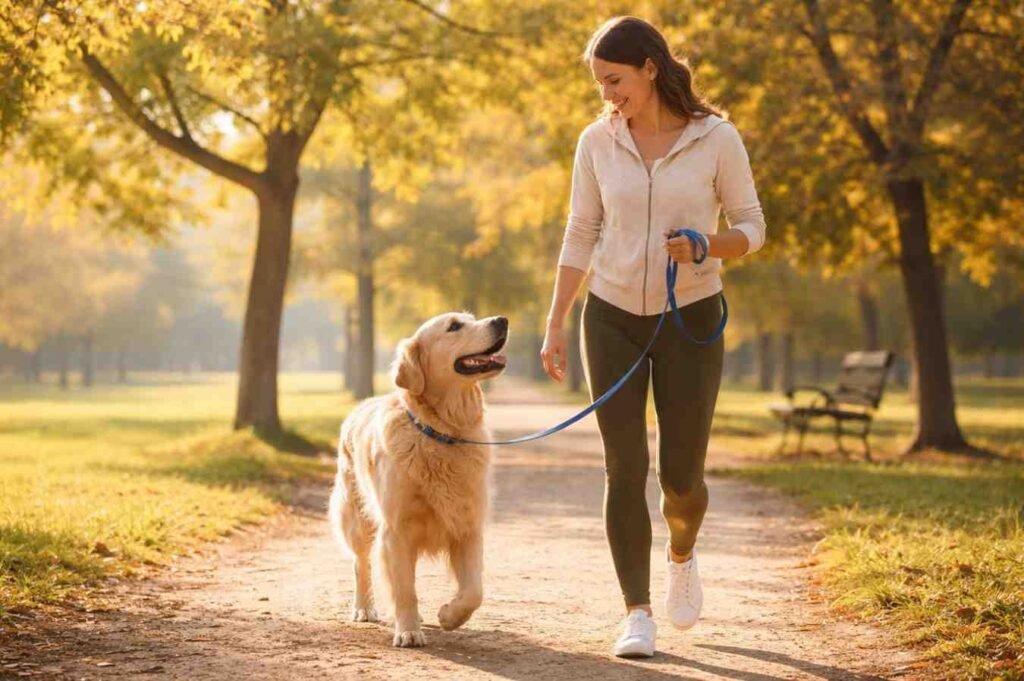

Living with a dog long enough teaches you something interesting: you start recognizing their moods without them making a sound. A slight tail wag, the way they stretch in the morning, or how they flop next to you on the couch can say a lot. Dogs communicate constantly through behavior, body language, and daily habits. When you start paying attention to those small signals, it becomes easier to tell when your dog is genuinely thriving.
Many owners assume happiness in dogs only shows through excitement or playfulness. In reality, the signs your dog is happy and healthy often appear in quiet, everyday moments around the house. The way they sleep, greet you, eat their meals, or simply relax nearby all reveal how safe, comfortable, and physically well they feel in their environment.
Relaxed Body Language Shows Your Dog Feels Safe

One of the most reliable indicators of a happy dog is relaxed body language. Dogs that feel comfortable in their surroundings tend to move naturally and loosely instead of appearing stiff or tense.
A relaxed dog usually has a loose posture and a smooth, easy gait. Their body looks soft rather than rigid, and their movements feel effortless. When they lie down, they often stretch out or curl comfortably rather than staying alert.
Their facial expression can also say a lot. Happy dogs often show:
- Gentle, blinking eyes that appear soft
- Ears resting naturally instead of pulled back tightly
- An open mouth with the tongue slightly hanging out
- A loose, side-to-side wagging tail
A wide tail wag that involves the whole body is one of the classic happy dog signs. It shows excitement, trust, and emotional comfort.
Your Dog Loves Being Around You

Dogs are social animals by nature. When they feel emotionally secure and bonded with their owner, they actively seek interaction and connection.
One of the most obvious signs your dog is happy and healthy is enthusiastic greetings. Many dogs bounce, spin, or wag their entire body when their owner walks through the door. Some even perform a little “happy dance” out of pure excitement.
Happy dogs also tend to initiate interaction. They may bring toys, invite you to play, or gently nudge your hand for attention. A common playful signal is the play bow, where a dog lowers their front legs while keeping their back end up. It’s their way of saying they want to interact.
Physical closeness is another indicator. Dogs that lean against you, rest their head on your lap, or curl up next to you often feel safe and emotionally connected.
Playfulness And Curiosity Are Strong Indicators Of Happiness

A dog that feels good physically and emotionally usually stays curious about their environment. Even adult dogs maintain a playful side when they are healthy.
One moment many owners recognize instantly is the sudden burst of energy often called “zoomies.” A dog might suddenly race around the room, sprint across the yard, or bounce off furniture with excitement. While it may look chaotic, this behavior usually reflects pent-up energy and happiness.
Playful dogs also enjoy:
- Chasing toys or balls
- Exploring new smells during walks
- Investigating objects around the house
- Engaging in short play sessions with their owner
These behaviors show a healthy level of energy and mental stimulation. When a dog consistently loses interest in play or exploration, it can sometimes signal stress or health issues.
Healthy Appetite And Mealtime Excitement

Food motivation and easy indoor games are other useful indicators of well-being. Most healthy dogs look forward to mealtime and approach their food with enthusiasm.
A dog that eagerly comes to the bowl, eats consistently, and maintains a stable appetite is typically in good physical condition. Regular eating habits also help maintain healthy energy levels and proper digestion.
Sudden appetite changes can sometimes signal discomfort or illness, which is why many veterinarians consider appetite one of the simplest daily health indicators owners can monitor.
Dogs that feel secure in their environment also tend to eat calmly. They don’t guard their food anxiously or show signs of stress around feeding time.
Physical Appearance Reflects Overall Health

Your dog’s physical condition provides some of the clearest signs that your dog is happy and healthy. Many health indicators can be spotted simply by observing your dog regularly.
Look for these visible signs of good health:
- Bright, clear eyes without discharge
- A glossy coat that feels smooth and clean
- Healthy pink gums that appear moist
- A visible waistline with a slightly tucked abdomen
- Steady energy levels during daily activities
A shiny coat often reflects good nutrition and skin health. Clear eyes and healthy gums also indicate that the dog’s body systems are functioning normally.
Regular digestion also plays a role. Consistent bowel movements and normal urine color typically signal a healthy digestive and urinary system.
FAQs
1. How can you tell if your dog is truly happy?
A happy dog usually shows relaxed body language, playful behavior, and excitement when interacting with their owner. Soft eyes, a wagging tail, and eagerness to engage socially are strong indicators of emotional well-being.
2. What are the physical signs of a healthy dog?
Healthy dogs typically have bright eyes, a glossy coat, a good appetite, a healthy weight, and steady energy levels. Regular digestion and calm sleep patterns are also strong indicators of good health.
3. Do zoomies mean a dog is happy?
Yes, zoomies often indicate excitement and excess energy. These sudden bursts of running and playful behavior usually happen when a dog feels stimulated, happy, or ready to release energy.
4. How many hours should a healthy dog sleep?
Most adult dogs sleep between 14 and 16 hours per day. Puppies and senior dogs may sleep even longer, while active dogs tend to nap throughout the day between periods of activity.
Final Thoughts
Understanding the signs your dog is happy and healthy isn’t about watching for one dramatic behavior. It’s about recognizing patterns in everyday life. Relaxed body language, playful energy, comfortable sleep, and a healthy appearance all work together to show how your dog feels. When these signals appear consistently, they usually mean your dog feels safe, loved, and physically well.
Paying attention to these daily cues strengthens the bond between you and your dog. The more you notice their subtle signals, the easier it becomes to support their well-being and give them the life they deserve.