
Whenever my dog sits next to me during meals, it’s tempting to share a bite. For a long time, I assumed most human foods were harmless for dogs. But I soon learned that some everyday ingredients can actually be extremely dangerous for them.
Many common kitchen foods can cause poisoning, serious illness, or long-term health problems in dogs. That’s why every pet owner should know foods dogs should never eat.
In this guide, I’ll explain the most dangerous foods, why they’re toxic, and what to do if your dog accidentally eats something unsafe. Understanding these risks can help prevent emergencies and keep your dog healthy and safe.
Why Certain Human Foods Are Toxic to Dogs

Dogs metabolize certain compounds very differently than humans. Their bodies cannot properly process chemicals like theobromine, ethanol, or xylitol.
This is why foods that are safe for people may cause severe reactions in dogs.
Common reasons foods become dangerous include:
- toxic plant compounds
- artificial sweeteners
- high fat levels that trigger pancreatitis
- substances that damage red blood cells
- choking or digestive blockages
Because of these risks, veterinarians strongly advise learning foods dogs should never eat before sharing table scraps.
Highly Toxic Foods That Can Be Fatal to Dogs
These foods appear most frequently in veterinary poisoning cases in the United States.
Xylitol (Birch Sugar)
Xylitol is an artificial sweetener found in many sugar-free products, including gum, candy, baked goods, and some peanut butters.
In dogs, xylitol causes a sudden insulin release that leads to extremely low blood sugar. In severe cases it can cause liver failure.
Symptoms may include:
- vomiting
- weakness
- seizures
- collapse
Because reactions can occur within minutes, this ingredient is considered one of the most dangerous foods dogs should never eat.
Chocolate
Chocolate contains theobromine and caffeine, both of which are toxic to dogs.
Dark chocolate and cocoa powder contain the highest levels and are especially dangerous.
Signs of chocolate toxicity include:
- rapid heart rate
- tremors
- hyperactivity
- seizures
Even small amounts can be dangerous for smaller breeds.
Grapes and Raisins
Grapes and raisins can cause sudden kidney failure in dogs.
What makes them particularly risky is that even a small quantity may trigger severe reactions.
Symptoms often include:
- lethargy
- vomiting
- dehydration
- reduced urination
Immediate veterinary care is essential if a dog eats grapes.
Onions, Garlic, Chives, and Leeks
These vegetables belong to the allium family and can damage red blood cells in dogs.
This condition leads to a form of anemia known as Heinz body anemia.
Symptoms may take several days to appear and include:
- pale gums
- weakness
- rapid breathing
Cooked, raw, powdered, or dehydrated forms are all toxic.
Macadamia Nuts
Macadamia nuts can cause temporary poisoning symptoms in dogs.
Common signs include:
- weakness in the hind legs
- tremors
- vomiting
- fever
Although most dogs recover with treatment, symptoms can be frightening.
Alcohol
Alcohol affects dogs much more severely than humans.
Even small amounts can cause ethanol poisoning.
Symptoms include:
- breathing problems
- low body temperature
- vomiting
- seizures
- coma
Alcohol may also appear in raw yeast dough as it ferments.
Foods That Create Physical or Digestive Risks

Some foods may not contain chemical toxins but still pose serious dangers.
Cooked Bones
Cooked bones can splinter easily and cause:
- choking
- dental fractures
- internal punctures in the digestive tract
These injuries can be fatal if untreated.
Raw Yeast Dough
Raw dough expands in the warm environment of a dog’s stomach.
This can cause severe bloating and stomach twisting.
During fermentation, yeast also produces alcohol that can lead to ethanol poisoning.
Fruit Pits and Seeds
Many fruit pits contain cyanide compounds.
Examples include:
- apples
- cherries
- peaches
- plums
- apricots
Whole pits can also create choking hazards or intestinal blockages.
Other Foods Dog Owners Should Avoid
Several additional foods are not always immediately toxic but can still cause serious health issues.
Caffeine
Caffeine appears in coffee, tea, energy drinks, and some medications.
Dogs are highly sensitive to stimulants and may develop dangerous heart rhythm disturbances.
Dairy Products
Many adult dogs are lactose intolerant.
Milk, cheese, and ice cream can cause stomach upset, gas, and diarrhea.
Salt
Excessive salt intake may cause sodium ion poisoning.
Symptoms include tremors, seizures, and dehydration.
Avocado
Avocados contain persin, a compound that can trigger vomiting and diarrhea in dogs.
The pit also poses a choking risk.
Wild Mushrooms
While many store-bought mushrooms are safe, wild mushrooms can be extremely toxic.
Some varieties cause liver or kidney failure in dogs.
Warning Signs of Dog Food Poisoning
Recognizing symptoms quickly can help prevent severe complications.
Common signs include:
- vomiting
- diarrhea
- drooling
- tremors
- lethargy
- seizures
- loss of coordination
If any of these symptoms appear after your dog eats something unusual, contact a veterinarian immediately.
What I Do If My Dog Eats Something Toxic
When I suspect my dog has eaten something dangerous, I follow these steps right away.
- Remove any remaining food from reach.
- Identify what the dog ate and the estimated amount.
- Call my veterinarian immediately.
- Contact the ASPCA Animal Poison Control Center if necessary.
Fast action can make a life-saving difference.
Safe Human Foods Dogs Can Eat Instead
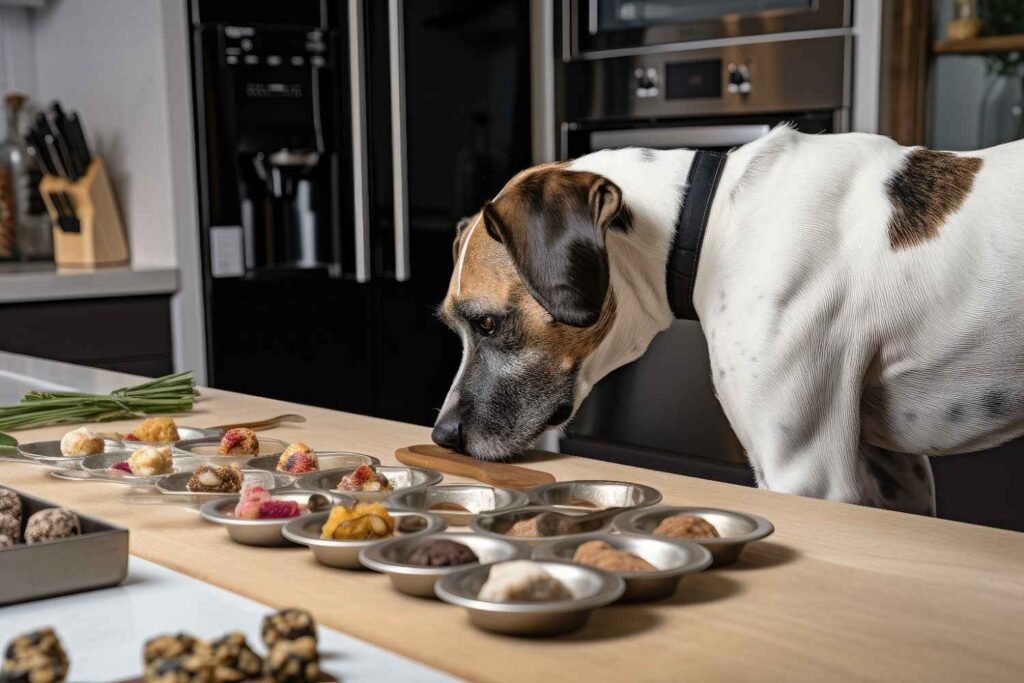
This is where understanding what human foods are safe for dogs becomes important for everyday feeding decisions.
Fortunately, many healthy foods are safe for dogs when given in moderation.
Examples include:
- plain cooked chicken
- carrots
- blueberries
- pumpkin
- apples without seeds
- plain rice
Choosing safe alternatives helps avoid accidental poisoning while still allowing occasional treats.
Frequently Asked Questions (FAQs)
1. What is the most toxic food for dogs?
Xylitol, chocolate, grapes, and onions are among the most dangerous foods that can poison dogs.
2. Can dogs eat peanut butter?
Yes, but only if the peanut butter does not contain xylitol. Always check ingredient labels.
3. What happens if a dog eats one grape?
Even a single grape can cause kidney failure in some dogs, so immediate veterinary care is recommended.
4. How quickly do poisoning symptoms appear?
Symptoms may appear within 30 minutes or take several hours depending on the toxin.
Final Thoughts
Learning about toxic foods changed how I feed my dog and store food in my home. Many everyday ingredients can cause serious harm, yet most accidents are preventable with awareness and simple precautions.
Understanding the most dangerous foods, recognizing symptoms early, and contacting a veterinarian quickly can protect dogs from life-threatening poisoning. Staying informed is one of the best ways we can keep our pets healthy and safe.