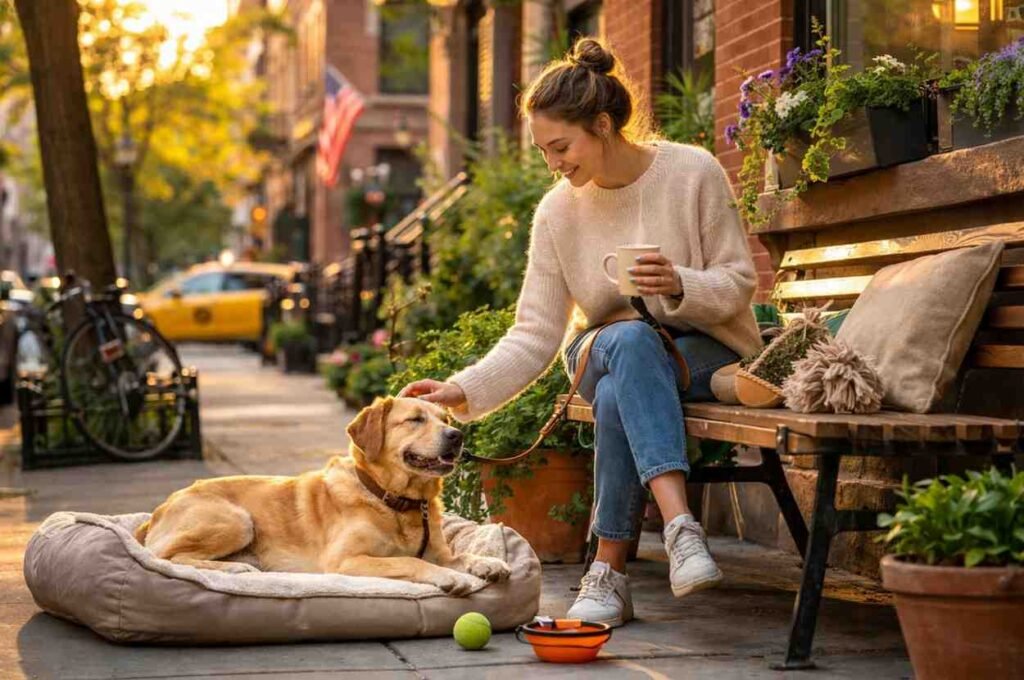
When my family adopted our dog, I worried about one thing: time. Between work, school drop-offs, soccer practices, and grocery runs, our schedule already felt full. I kept wondering how we would fit training, walks, feeding, and playtime into the day.
What I eventually learned surprised me. Successful dog ownership isn’t about spending hours every day on training or exercise. Instead, it’s about building smart routines and small habits that fit naturally into family life. Once we started doing that, our dog became easier to manage and even helped bring the family together.
In fact, the best dog parenting tips for busy families revolve around micro-routines, mental stimulation, and teamwork. When care fits into everyday family activities, your dog can stay healthy and well-behaved without overwhelming your schedule.
Why Busy Families Can Still Raise Happy, Well-Trained Dogs

Many people assume dogs need constant attention, but most dogs actually thrive on predictable routines and clear expectations.
Busy households often create these naturally. Kids leave for school at the same time each morning, dinner happens at a similar hour every evening, and families tend to follow consistent weekly patterns.
Dogs quickly adapt to these rhythms. Once they understand the routine, they feel more secure and behave better.
Instead of seeing dog ownership as another chore, I treat it as something that fits into our daily lifestyle.
How Can Busy Families Build a Simple Daily Routine for Their Dog?
One of the biggest improvements we made was creating a simple dog routine that mirrors our family schedule.
Morning
Short walk or backyard play session
Breakfast feeding
Quick five-minute training session
Midday
Puzzle feeder or enrichment toy
Potty break or dog walker if needed
Evening
Family walk around the neighborhood
Dinner feeding
Playtime with kids
Night
Calm bonding time
Final bathroom break
Once this pattern became consistent, our dog adjusted quickly and stopped demanding constant attention.
What Are the Best Dog Parenting Tips for Busy Families?
Master the Micro-Training Session
Traditional hour-long dog training classes don’t always work for busy households. Instead, I rely on short bursts of practice throughout the day.
I call it “sprinkled training.”
Two or three sessions of five to ten minutes often work better than one long session.
I also turn everyday moments into training opportunities.
For example:
- Ask for a sit before putting down the food bowl
- Practice wait before opening doors
- Practice recall while playing in the yard
- Run quick command drills during TV commercial breaks
These small habits build strong obedience skills without requiring extra time.
Use Passive Mental Exercise to Prevent Boredom
Mental stimulation can tire a dog out faster than physical exercise. The best part is that it doesn’t always require active involvement. This is where I focus on ways to Mentally Stimulate Your Dog even during busy moments.
Some of the tools that work well in our house include:
Puzzle feeders
Snuffle mats
Slow feeders
Treat-dispensing toys
I also freeze stuffed KONG toys with peanut butter or yogurt. These keep our dog busy while the family finishes homework or cooks dinner.
Rotating toys weekly also helps. When only a few toys stay available at once, old toys feel new again.
Delegate Dog Responsibilities Across the Family

In a busy household, one person shouldn’t handle all the pet care.
We created a simple family dog chart:
Dad handles the morning walk
Kids handle evening playtime
Mom manages feeding and grooming
Everyone participates in weekend outings
Even younger children can help by hiding treats for scent games or refilling water bowls.
Sharing responsibility makes dog parenting manageable.
Use Smart Technology to Simplify Dog Care
Modern pet technology can make a big difference for busy families.
Helpful tools include:
Automatic feeders
Pet cameras with treat dispensers
GPS dog trackers
Automatic water fountains
These tools help maintain consistency even when the family schedule becomes unpredictable.
Optimize the Family Walk
Even when time is short, walks can still be meaningful.
Instead of rushing through a quick lap around the block, we sometimes take what trainers call a scent walk.
During a scent walk, I let the dog sniff freely. Sniffing lowers a dog’s heart rate and provides mental stimulation, which often tires them out faster than brisk walking.
We also use walks to practice loose-leash walking or recall training.
This turns exercise into both a training opportunity and family bonding time.
Establish Safe Zones for Rest and Calm
Dogs need a lot of sleep. Most adult dogs require 12 to 14 hours of rest per day to stay calm and balanced.
Busy homes can sometimes feel chaotic, so I created a quiet safe zone for our dog.
This includes:
A comfortable bed or crate
A low-traffic area of the house
A familiar toy or blanket
We also trained a settle command that sends our dog to their bed during busy moments like dinner or when guests arrive.
This gives the dog a calm place to relax.
Get Outside Help When the Schedule Gets Tight
Sometimes life gets busy, and that’s normal.
Many American families rely on extra help such as:
Dog walkers
Pet sitters
Half-day dog daycare services
Even one daycare visit per week can burn off excess energy and helps s0cializing your dogs.
How Can Busy Families Prevent Behavior Problems in Dogs?
Behavior problems usually happen when dogs lack exercise, mental stimulation, or structure.
To prevent this, I focus on three essentials:
Daily movement through walks or play
Mental stimulation with puzzles or training games
Consistency from every family member
When these three elements stay consistent, most dogs become calmer and easier to manage.
Best Dog Breeds for Busy Families
While every dog is unique, some breeds adapt especially well to busy lifestyles.
Popular family-friendly breeds in the United States include:
Labrador Retrievers
Golden Retrievers
Boston Terriers
Cavalier King Charles Spaniels
Mixed-breed rescue dogs
Temperament and training matter more than breed alone, but these breeds often do well with active households.
Weekly Habits That Make Dog Parenting Easier
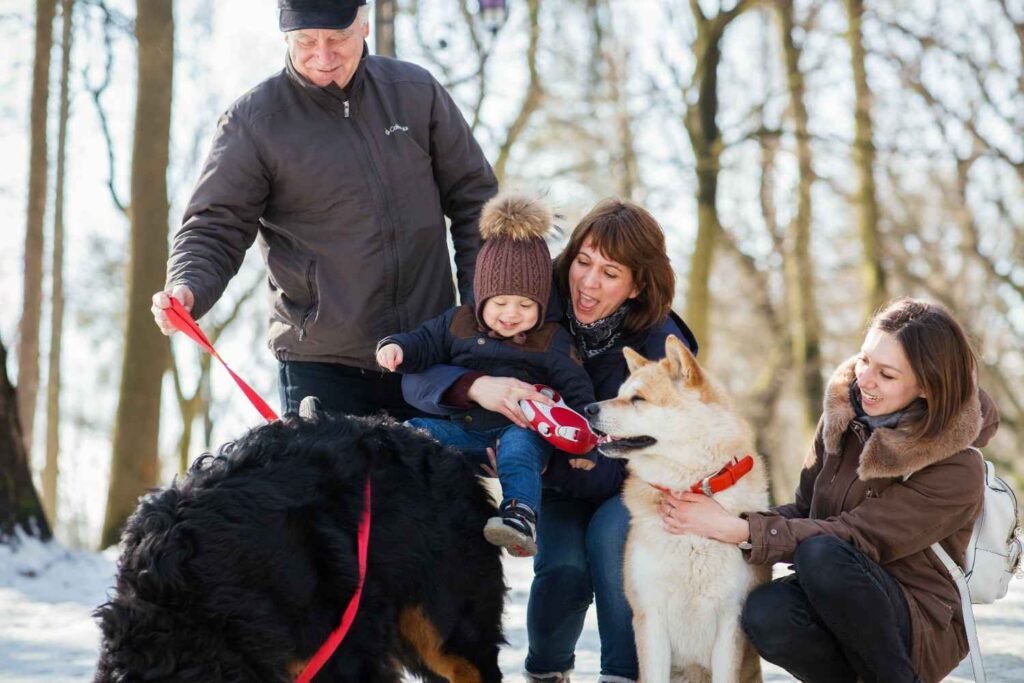
Busy families benefit from simple weekly routines.
Sunday preparation works well in our home.
Refill treat jars and food containers
Rotate toys for novelty
Brush the dog’s coat
Review the upcoming schedule for walks or vet visits
These habits save time during the week.
Frequently Asked Questions (FAQs)
1. How much time should families spend with their dog each day?
Most dogs need about one to two hours of combined interaction daily, including walks, feeding, playtime, and training.
2. Can dogs adjust to busy family schedules?
Yes. Dogs adapt very well to consistent routines. As long as they receive exercise, mental stimulation, and affection, they can thrive in busy households.
3. What is the fastest way to exercise a dog when you are short on time?
Short daily walks, backyard play sessions, and enrichment toys provide efficient ways to burn energy even with limited time.
4. Are puzzle toys helpful for busy dog owners?
Yes. Puzzle toys provide mental stimulation and prevent boredom. They are especially useful when families are busy with work, school, or chores.
Raising a Happy Dog Even With a Busy Family Schedule
When I first worried about balancing family life and dog ownership, I assumed it would feel overwhelming. Instead, our dog became a natural part of our routine.
The truth is simple. Dogs don’t need perfection. They need routine, attention, and love.
With the right habits in place, even the busiest households can succeed. These dog parenting tips for busy families helped my household create a balanced routine that keeps our dog healthy, engaged, and happy.
And in many ways, our dog has made our family life richer, more active, and a lot more fun.