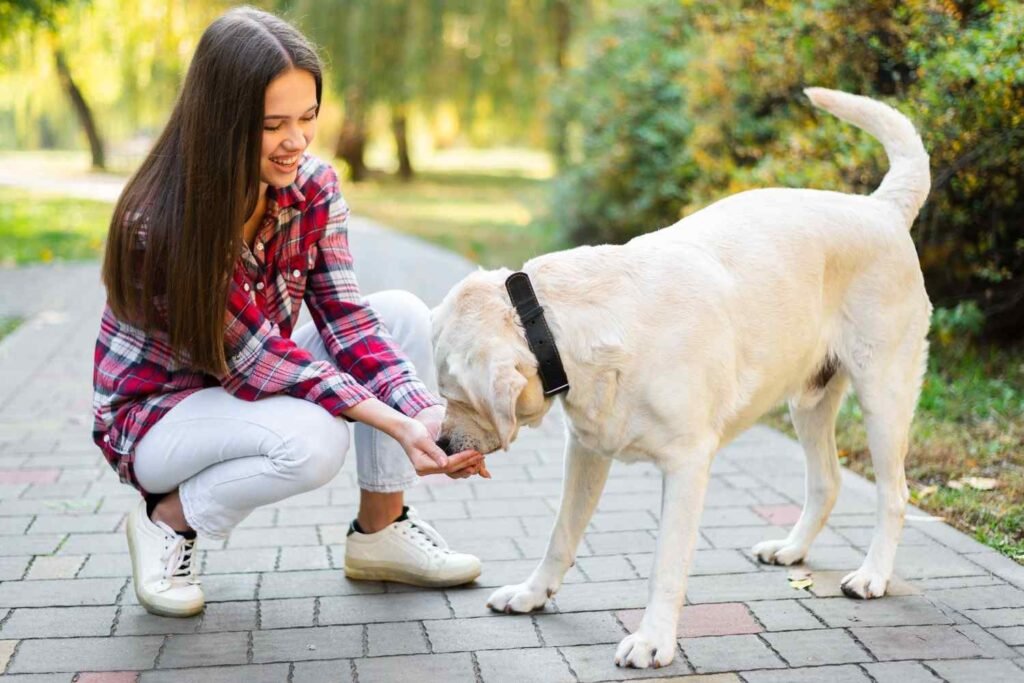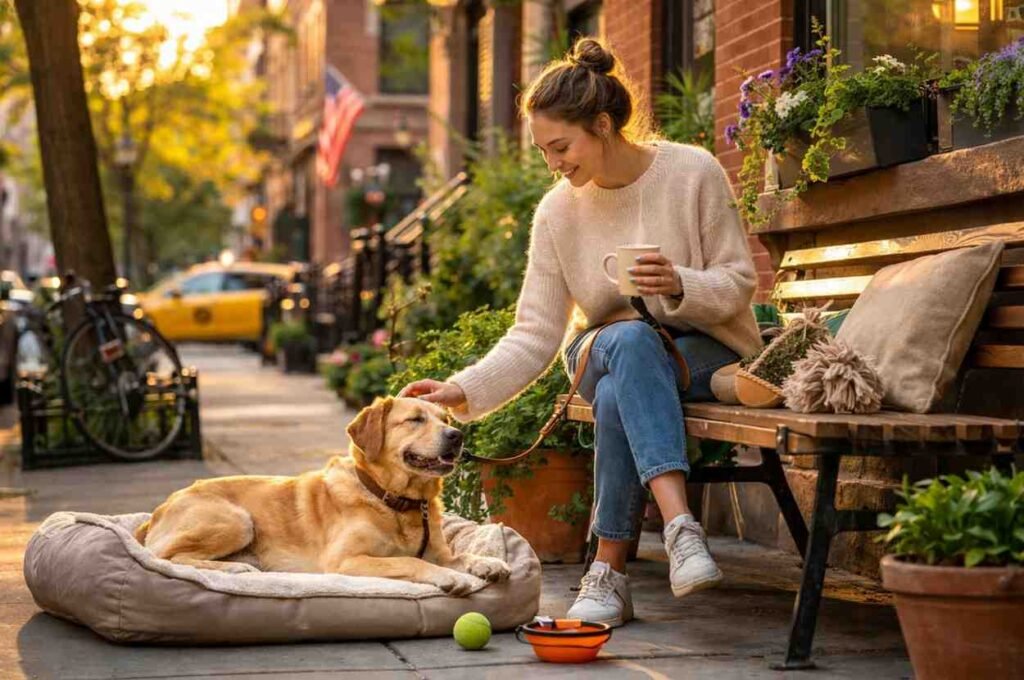

When I first brought my dog home, I thought life would mostly stay the same—just with more walks and a few extra toys around the house. But very quickly, my routines, home setup, and weekend plans started revolving around my dog.
That shift is what many people now call a dog friendly lifestyle. Instead of squeezing your dog into your schedule, you build daily habits, living spaces, and activities that work for both of you.
Across the United States, more parks, restaurants, and travel options are welcoming dogs, making it easier than ever to create a life where your dog is part of the experience—not left behind.
What a Dog Friendly Lifestyle Really Means
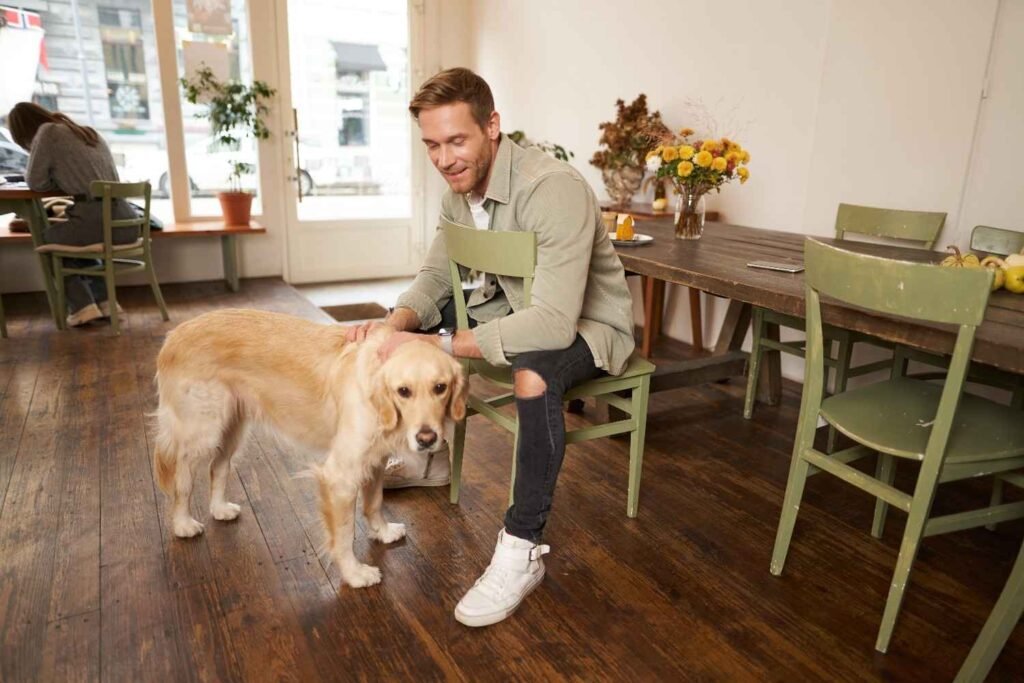
A dog friendly lifestyle revolves around integrating your dog into daily routines, living spaces, and activities while ensuring their physical and emotional needs are met.
Animal welfare organizations such as FOUR PAWS International emphasize that responsible dog ownership is a long-term commitment that balances companionship with care and responsibility.
In practice, this means:
- Creating safe home environments
- Maintaining structured routines
- Prioritizing exercise and enrichment
- Including dogs in everyday plans
When these elements come together, both the owner and the dog experience improved well-being.
The Core Pillars of Living Well With Dogs
Experts and veterinarians often point to several foundational habits that shape a successful dog owner routine.
Active Living
Dogs naturally encourage physical activity. Studies highlighted by the American Kennel Club show that dog owners are significantly more likely to meet recommended exercise levels.
In my own routine, daily walks add up quickly. Many owners end up walking close to 300 minutes per week simply by caring for their pets.
Activities that support an active lifestyle include:
- Neighborhood walks
- Hiking trails
- Dog parks
- Outdoor adventures
These habits benefit both the dog and the owner.
Structured Routine
Dogs thrive on predictability. Consistent feeding times, regular walks, and dedicated play sessions help reduce anxiety and build trust.
My dog quickly learned the daily rhythm:
- Morning walk
- Midday play session
- Evening walk and training
That structure improves behavior and creates a calm healthy home environment.
Social Connectivity
Dogs naturally help people connect. At dog parks or pet-friendly cafes, conversations start easily between strangers.
Many owners discover that their dog becomes a bridge to new friendships and local communities.
Inclusion in Everyday Plans
One of the biggest shifts for me was learning to plan with my dog in mind.
This means considering factors such as:
- Pet-friendly housing
- Nearby parks or green spaces
- Dog-friendly travel destinations
- Outdoor dining options
In many American cities, dog-friendly amenities have become a major lifestyle feature.
Creating a Dog-Friendly Home Environment
A comfortable home is essential for dogs to feel safe and relaxed.
Durable Flooring and Practical Materials
Dogs can scratch delicate surfaces. Many homeowners prefer durable materials such as:
- Tile
- Laminate
- Luxury vinyl
These options resist scratches and clean easily.
Pet-Proofing Your Living Space
Pet safety is a critical part of responsible dog ownership.
Common household hazards include:
- Chocolate
- Onions
- Avocados
- Cleaning chemicals
- Toxic plants
Keeping these items out of reach protects curious pets.
Designated Spaces for Dogs

Dogs benefit from having their own area in the home.
I created a quiet corner with:
- A comfortable bed
- Food and water bowls
- Toys and enrichment puzzles
Designated spaces support building positive routines with your dogs by giving them a consistent place to relax and feel secure.
Smart Upholstery Choices
Tightly woven fabrics such as microfiber or performance leather tend to resist pet hair and scratches better than delicate fabrics.
These materials also clean more easily after muddy adventures.
Choosing the Right Dog for Your Lifestyle
One of the most important steps toward a successful dog friendly lifestyle is choosing a breed that fits your daily routine.
Different dogs have very different energy levels and care requirements.
| Lifestyle Type | Recommended Traits | Example Breeds |
| Active or outdoorsy | High energy, trainable | Labrador Retriever, German Shepherd |
| Urban or apartment living | Adaptable, moderate energy | Pug, Dachshund |
| Seniors or low-activity homes | Calm temperament | Senior rescue dogs, small companion breeds |
Matching energy levels helps prevent frustration for both the dog and the owner.
Activities That Strengthen the Bond With Your Dog
The best part of life with a dog is sharing experiences together.
Visiting Dog Parks
Dog parks provide space for off-leash play and socialization.
Most US cities now maintain fenced dog parks where pets can safely interact.
Outdoor Adventures
Dogs make excellent companions for outdoor activities such as:
- Hiking
- Camping
- Beach visits
- Lake trips
Many state parks allow dogs on designated trails.
Dog-Friendly Restaurants and Cafes
Across the United States, restaurants increasingly welcome dogs in outdoor seating areas.
Weekend brunch often becomes a shared outing rather than leaving your dog at home.
Traveling With Dogs Across the United States
Traveling with pets is easier than ever thanks to growing pet-friendly infrastructure.
Dog-Friendly Hotels
Several hotel chains now openly welcome dogs.
Popular options include:
- Kimpton Hotels
- La Quinta Inns
- Many boutique hotels
Always review pet policies and fees before booking.
Planning Road Trips With Dogs
Road trips work particularly well for dog owners.
I always bring:
- Portable water bowls
- Dog food
- Waste bags
- Comfort toys
- A secure harness
Frequent stops keep dogs comfortable on long drives.
Health and Wellness Benefits of Life With Dogs

Living with dogs often leads to healthier habits.
Regular walks improve cardiovascular health, while daily interaction reduces stress and loneliness.
Many dog owners report better mental well-being simply from the companionship their pets provide.
In my experience, dogs also encourage mindfulness. Spending time outdoors and focusing on simple routines creates a refreshing break from busy workdays.
Frequently Asked Questions (FAQs)
1. What is a dog friendly lifestyle?
It refers to structuring your routines, home environment, and activities so that your dog can live comfortably and safely as part of your everyday life.
2. How much exercise do dogs need daily?
Most dogs need between 30 minutes and two hours of exercise per day depending on breed, age, and energy level.
3. Can dogs live comfortably in apartments?
Yes. With regular exercise, mental stimulation, and outdoor access, many dogs thrive in apartment environments.
4. How can I find dog friendly places near me?
You can search Google Maps, Yelp, or apps like BringFido to locate pet-friendly parks, restaurants, and hotels.
5. Is traveling with dogs safe?
Yes, as long as owners prepare properly with updated vaccinations, safe transportation, and pet-friendly accommodations.
Conclusion
Building a life around your dog is not just about convenience—it is about creating an environment where companionship and responsibility work together.
When you design routines, homes, and activities that support your pet’s well-being, you naturally create a dog friendly lifestyle that improves both human and canine health.
For many people in the United States, that balance turns ordinary days into something much more meaningful.