At a busy dog park in Texas, I once watched two dogs greet each other with wagging tails. Everyone assumed they were friendly, but within seconds tension appeared. That moment taught me how easily we misread dogs. Learning dog body language explained in simple terms changed how I interact with my dog every day.
Dogs communicate through their tail, ears, eyes, mouth, and posture, not just barking. When you understand these signals together, you can recognize stress, playfulness, fear, or excitement before problems start. In this blog, I’ll walk you through dog body language explained clearly so you can better understand what your dog is truly saying.
What Are the Five Key Areas Dogs Use to Communicate?
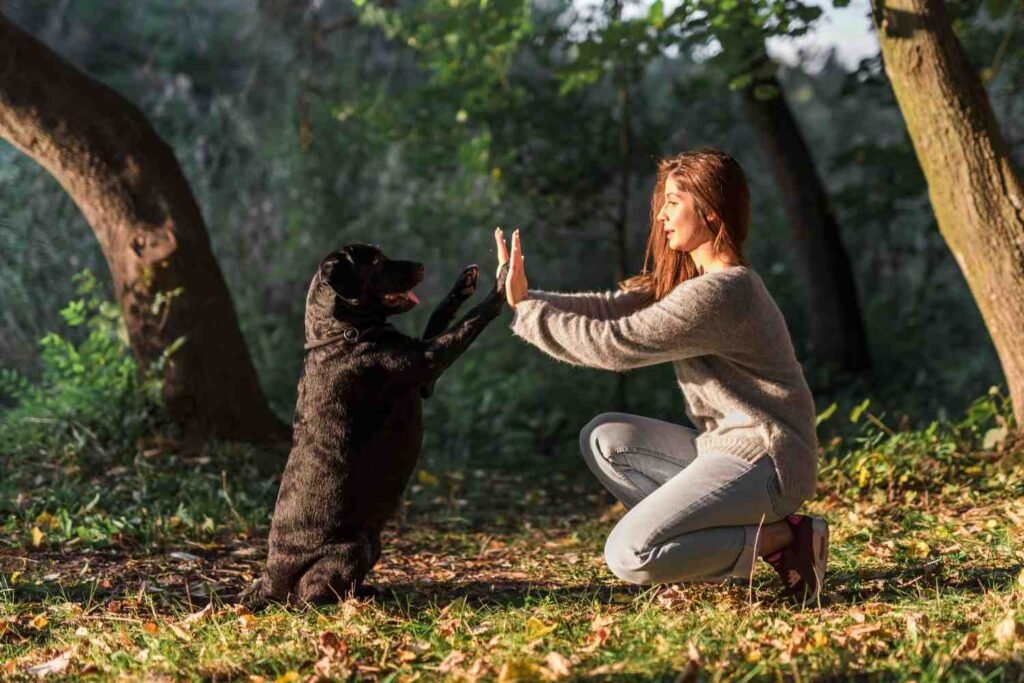
Behavior experts often divide canine communication into five primary areas. When I observe my dog, I pay attention to all five together rather than focusing on one isolated signal. This approach also helps identify the Signs Your Dog Trusts You, which often appear as a combination of relaxed signals.
Tail Signals
A dog’s tail communicates emotional intensity rather than simple happiness.
Common tail signals include:
High and stiff tail – Often signals alertness or possible tension.
Low or tucked tail – Usually indicates fear, anxiety, or submission.
Loose sweeping wag – Typically shows relaxation and friendliness.
Directional wag – Some research suggests dogs wag more to the right when feeling positive emotions and more to the left when uncertain.
Ear Position
Ear position can vary by breed, but the general meanings stay consistent.
Forward ears – The dog is focused, curious, or alert.
Pinned back ears – Often indicate fear, stress, or submission.
Neutral ears – Usually show a relaxed emotional state.
When my dog hears something interesting outside the house, his ears move forward instantly.
Eye Signals
Eyes often reveal emotional changes faster than other signals.
Soft eyes – Relaxed eyelids or slight squinting usually indicate calmness.
Hard stare – An intense stare may signal a challenge or threat.
Whale eye – When the white of the eye becomes visible, the dog may be feeling stressed or uncomfortable.
Recognizing whale eyes helped me understand when my dog felt uneasy during crowded park visits.
Mouth and Facial Tension
A dog’s mouth can change shape quickly depending on its emotional state.
Relaxed open mouth – Often accompanied by a loose tongue and calm posture.
Closed, tense mouth – May indicate alertness or discomfort.
Submissive grin – Some dogs pull their lips back while keeping their body loose as a friendly greeting.
Snarl – Raised lips showing teeth signal a warning to back away.
Body Posture
Body posture often provides the clearest communication signal.
Play bow – Front legs lowered with the rear raised. This is a universal invitation to play.
Weight forward – Signals focus, alertness, or possible confrontation.
Weight backward or cowering – Shows fear or avoidance.
Raised hackles – Hair standing up along the spine indicates strong emotional arousal, which may be excitement, fear, or aggression.
What Stress Signals Do Many Dog Owners Miss?
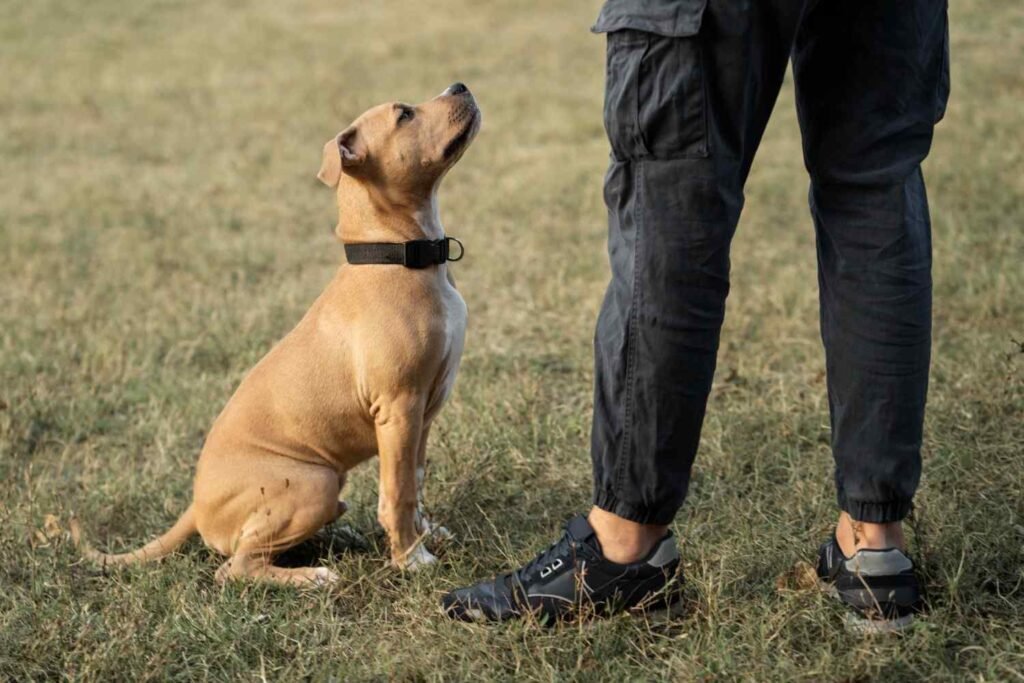
Dogs often try to calm themselves or others before reacting defensively. These are sometimes called calming signals or displacement behaviors.
Common stress signals include:
Yawning when not tired
Lip licking
Turning the head away
Avoiding eye contact
Shaking off tension
I notice these behaviors most often when my dog feels uncomfortable around unfamiliar dogs or loud environments.
Recognizing dog body language explained through these subtle signals can help prevent stressful encounters.
How Can You Tell If a Dog Is Relaxed and Happy?
A relaxed dog displays several signals at once. When my dog feels calm at home, his entire body reflects it.
Signs of a comfortable dog include:
Loose body posture
Soft blinking eyes
Relaxed ears
Gentle tail movement
Slightly open mouth
These signals usually appear during calm activities such as resting at home or enjoying a walk in a familiar neighborhood.
What Body Language Signals Mean a Dog Wants Space?
Dogs rarely bite without warning. They usually communicate discomfort long before aggression occurs.
Signals that a dog needs distance may include:
Stiff posture
Direct staring
Growling
Freezing in place
Raised hackles
When I see these signs, I step back and allow the dog to regain comfort.
Respecting these signals is one of the most important safety habits for dog owners.
How Do Dogs Show Playful Behavior?
Play behavior looks very different from fear or stress signals.
Dogs exaggerate movements when inviting play.
Typical play signals include:
Play bows
Bouncy movements
Relaxed open mouth
Wagging tail
Short playful barks
My dog uses a play bow every time he wants to start a game of fetch.
How Should Dog Owners Respond to Body Language?
Understanding signals is only part of responsible pet ownership. Responding correctly matters just as much.
Here are habits I use daily:
Observe the entire body rather than focusing on one signal.
Give dogs space when they display stress signals in dogs.
Avoid forcing interactions, especially with children.
Reward relaxed and calm behavior during training.
Teach family members how to approach dogs safely.
These simple steps make everyday interactions safer and more positive.
Frequently Asked Questions (FAQs)
1. Does a wagging tail always mean a dog is happy?
No. Tail wagging signals emotional arousal. The dog may feel excited, nervous, or alert.
2. What is whale eye in dogs?
Whale eye occurs when the white of the eye becomes visible. It often signals stress or discomfort.
3. Why does my dog lick his lips when nothing is there?
Lip licking can indicate anxiety or an attempt to calm a stressful situation.
4. What is a play bow?
A play bow occurs when a dog lowers its front legs and raises its rear. It signals friendly play.
5. Why does my dog shake after a stressful moment?
Dogs sometimes shake their bodies to release tension or reset their emotional state.
What I Learned From Paying Attention to My Dog
Once I started paying attention to posture, tail movement, facial tension, and calming signals, my relationship with my dog changed completely.
Dogs communicate constantly. They just do it without words.
Learning their signals allows us to respond earlier, avoid stressful situations, and create safer interactions with the animals we care about.
For any dog owner, understanding canine communication is one of the most valuable skills you can develop.