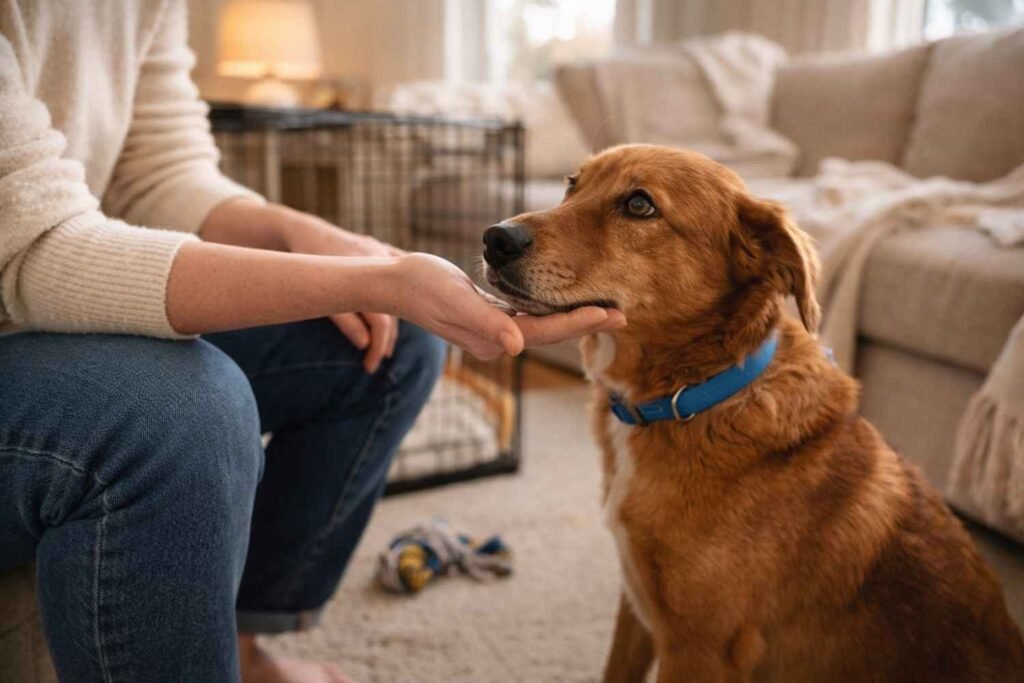
Bringing home a newly adopted dog is exciting, but the first few days can feel strangely quiet. Many dogs arrive unsure, cautious, or even withdrawn. I have seen dogs spend their first evening simply watching the room from a corner, trying to understand the new smells, sounds, and people around them. That uncertainty is normal. For a dog that has just left a shelter or previous home, everything has changed overnight.
Trust does not appear instantly after adoption. It builds slowly through small, predictable moments, meals, walks, calm voices, and patience. When the environment feels safe, and routines stay consistent, dogs begin to relax and reveal their real personality. Building trust with newly adopted dogs often comes down to understanding their adjustment process and respecting the pace at which they feel comfortable.
Why Trust Matters For Newly Adopted Dogs

A newly adopted dog is stepping into an unfamiliar world. Even if the home is calm and welcoming, the dog does not yet know that it is safe. From the dog’s perspective, new people, new smells, and a new routine can feel overwhelming.
Trust acts as the foundation for everything else, training, bonding, and everyday behavior. When a dog trusts the people around them, they become more relaxed and responsive. Fear-driven behaviors such as hiding, barking, or avoiding interaction usually begin to fade as the dog learns that the environment is stable.
This process cannot be rushed. Some dogs warm up within days, while others may take weeks before they feel comfortable approaching people, exploring the house, or showing affection.
Understanding The 3-3-3 Adjustment Timeline

One of the most helpful ways to understand building trust with newly adopted dogs is the 3-3-3 rule, which describes how dogs typically adjust during the first few months after adoption.
First 3 Days – Decompression
During the first few days, many dogs appear overwhelmed. They may sleep more than usual, avoid eye contact, or hide in quiet areas. Some dogs eat very little during this stage. Their body language often shows uncertainty while they observe the new environment.
First 3 Weeks – Settling In
After the initial shock fades, dogs begin to understand the household routine. They start recognizing feeding times, walking schedules, and familiar voices. During this stage, some dogs may test boundaries or display behavioral quirks as they become more comfortable.
First 3 Months – Building Real Trust
By this stage, many dogs begin to form a genuine bond with their new family. Their personality becomes clearer, and their confidence grows. Consistent routines and calm interactions during the earlier weeks play a huge role in reaching this point.
Every dog adjusts differently, but this timeline helps adopters stay patient and avoid expecting instant bonding.
Creating A Safe Physical Environment At Home

A predictable environment helps dogs relax faster. When the surroundings remain calm and consistent, dogs can focus on learning their new routine instead of staying in a constant state of alertness.
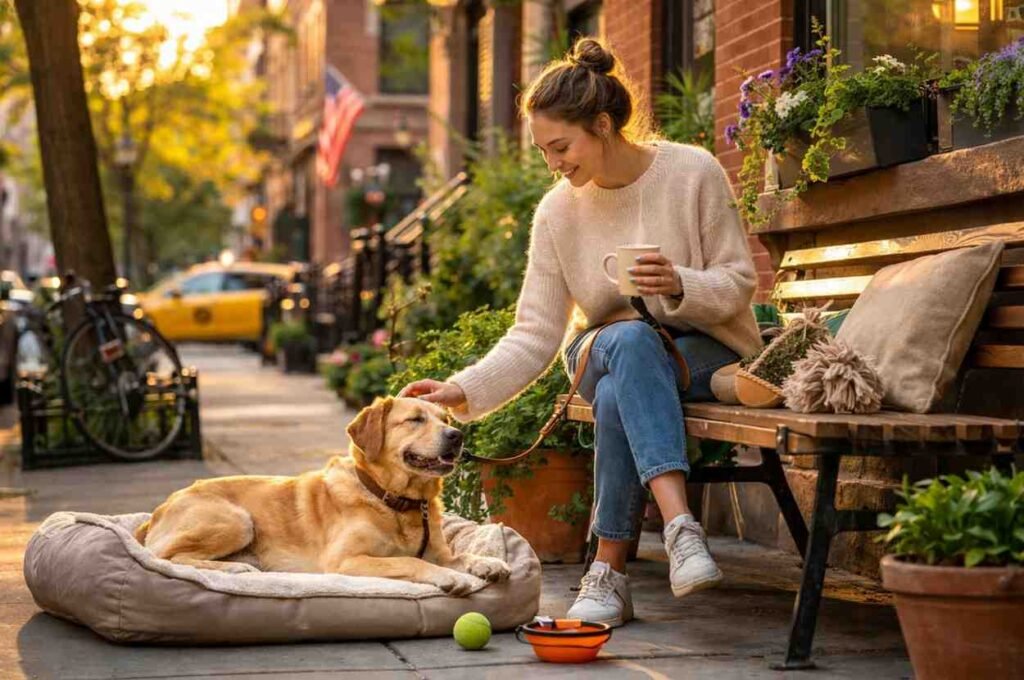
One of the most helpful steps is establishing a designated safe space. This might be a quiet corner with a dog bed, a crate with the door open, or a specific room where the dog can retreat when they want to rest. The key is allowing the dog to choose when they want to interact and when they need space.
Safety also matters during the early days. Removing choking hazards, securing trash bins, and ensuring fences or gates are closed prevent accidents while the dog explores their new environment. Newly adopted dogs are also more likely to attempt escaping if they become frightened, so having identification tags attached to their collar immediately is important.
A calm environment signals to the dog that they are in a stable and predictable place.
Daily Habits That Quietly Build Trust
Trust grows through small, repeated interactions rather than dramatic gestures. The most successful easy ways to mentally stimulate your dog are bonding moments that often happen during ordinary daily routines.
Helpful habits that strengthen trust include:
- Keeping a consistent routine for feeding, walks, and rest
- Allowing the dog to approach you rather than forcing interaction
- Using calm voices and slow, predictable movements
- Rewarding good behavior with treats and praise
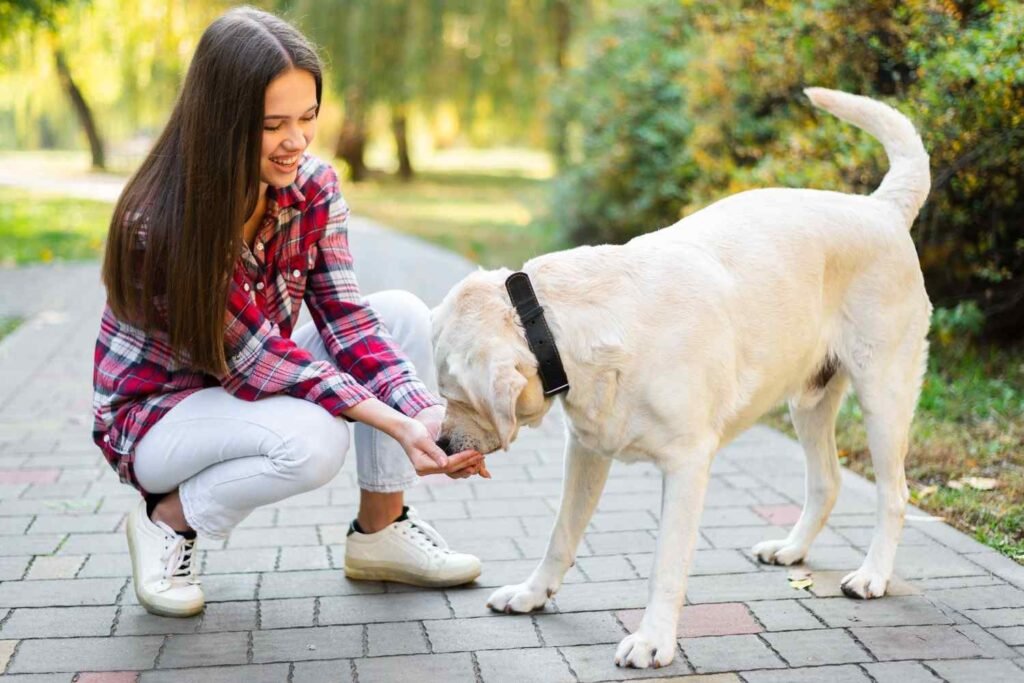
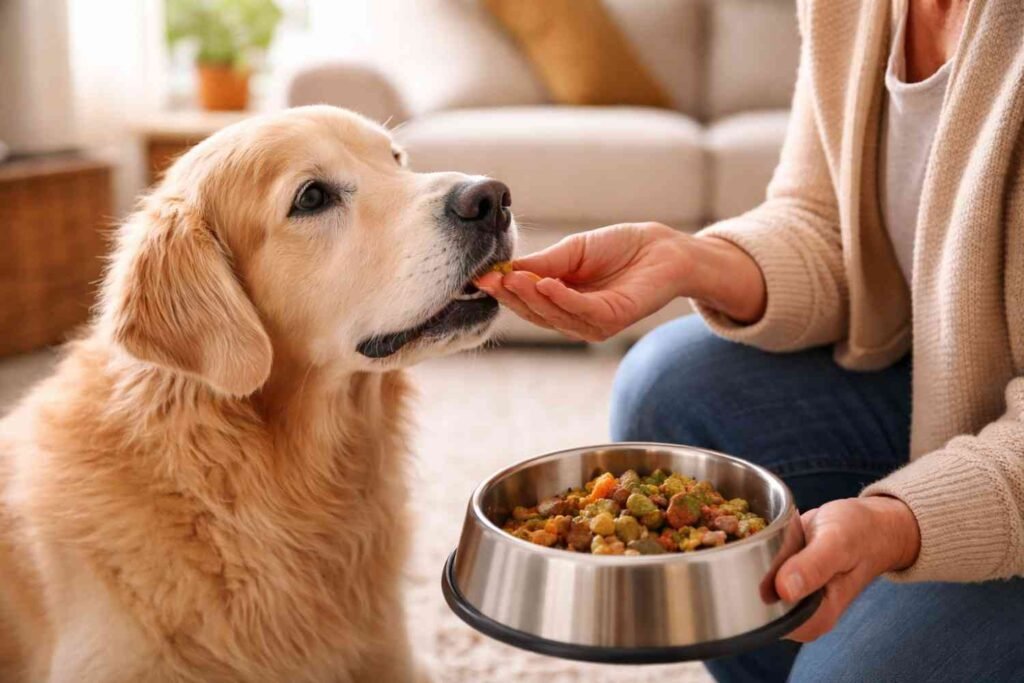
- Offering food by hand when the dog feels comfortable
- Avoiding punishment or loud corrections
Predictability reduces anxiety. When dogs know what to expect from the day, they start to relax and engage more confidently with the people around them.
Reading Your Dog’s Signals And Respecting Boundaries

Dogs communicate constantly through body language, especially during the early stages of adoption. Learning to notice these signals helps prevent unnecessary stress.
For example, a dog that turns their head away, lowers their body, or avoids eye contact may simply be asking for space. Respecting these signals helps build trust because the dog learns that their comfort matters.
Eye contact can also feel intense for a nervous dog. Soft, indirect glances combined with calm speech are usually more reassuring than direct staring.
As trust grows, the dog may begin approaching voluntarily, nudging a hand for attention, following people from room to room, or resting nearby. These small gestures often mark the beginning of real bonding.
Common Mistakes That Slow Down Trust

Even with the best intentions, some common habits can make adjustment harder for a newly adopted dog.
Too much stimulation is one of the biggest challenges. Introducing many visitors, busy outings, or dog parks immediately can overwhelm a dog that is still trying to understand their new environment.
Another mistake is expecting immediate affection. Some dogs enjoy physical attention quickly, while others need more time before they feel comfortable with petting or close contact.
Inconsistent routines can also create confusion. Feeding at random times or changing walking schedules frequently makes it harder for the dog to predict what comes next.
Patience often makes the biggest difference. When dogs feel no pressure to perform or behave perfectly, they begin relaxing and forming bonds naturally.
FAQs: Building Trust With Newly Adopted Dogs And Creating A Safe Start Together
1. How long does it take for a newly adopted dog to trust you?
Many dogs begin showing signs of trust within a few weeks, but deeper bonding often takes several months. Consistency, patience, and predictable routines help speed up the adjustment process.
2. What is the 3-3-3 rule for adopted dogs?
The 3-3-3 rule describes a common adjustment timeline after adoption: three days to decompress, three weeks to settle into routines, and three months to build trust and confidence.
3. Should I give my newly adopted dog space?
Yes. Giving the dog time and space during the first days helps them feel safe. Allow them to approach interactions rather than forcing attention or affection.
4. Is it normal for adopted dogs to hide or act scared?
Yes, this behavior is common during the early adjustment phase. Many dogs feel uncertain in a new environment and need time before they feel comfortable exploring and interacting.
Final Thoughts
Building trust with newly adopted dogs takes patience, consistency, and a willingness to slow down. Dogs that arrive unsure or fearful are not being difficult; they are simply learning how to feel safe again. When routines stay predictable, and interactions remain calm, the dog gradually begins to relax and reveal their personality. Those first small moments of trust, choosing to sit nearby, following you into another room, or gently taking a treat, are often the beginning of a lifelong bond.
Over time, the uncertainty fades. What remains is a dog that finally feels secure, understood, and at home.