

When I brought my first puppy home, I quickly realized that feeding a growing dog isn’t as simple as filling a bowl. Puppies need the right balance of protein, fats, and minerals to support healthy growth.
Finding the best dog food for puppies can feel confusing with so many options on the market. In this guide, I’ll share what I learned about choosing high-quality puppy food and the nutrients that help puppies grow strong and healthy.
Why Puppy Nutrition Matters for Healthy Development
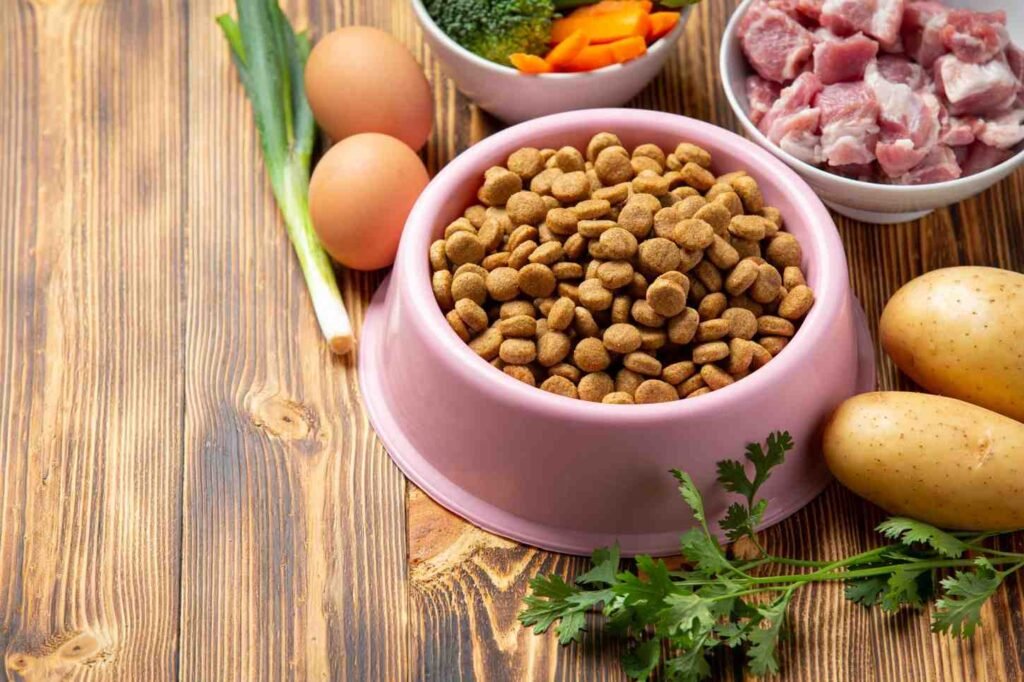
Puppies experience intense growth during their first year. Their skeletal systems, brains, and immune systems develop simultaneously, which means they require highly concentrated nutrition.
Veterinary nutrition experts consistently emphasize life-stage-specific food formulas. Puppy foods are designed with higher calorie density, balanced minerals, and essential fatty acids to support this rapid development.
Adult dog food often lacks the nutrient profile needed for growing puppies, which is why veterinarians recommend feeding puppy-specific formulas until maturity.
Essential Nutritional Components Puppies Need
When evaluating the best dog food for puppies, I focus on several critical nutrients that veterinarians frequently highlight.
High Protein Content
Protein helps puppies build muscles, tissues, and organs. Most veterinary nutrition guidelines suggest protein levels between 22% and 32% on a dry matter basis for growing dogs.
High-quality puppy food usually lists a specific protein source such as:
- chicken
- turkey
- lamb
- salmon
A clearly identified animal protein as the first ingredient is one of the strongest indicators of quality.
Essential Fatty Acids and DHA
Healthy fats provide energy and support brain development.
DHA (Docosahexaenoic Acid), an omega-3 fatty acid often derived from fish oil, plays a key role in:
- cognitive development
- vision health
- nervous system growth
Many veterinary-recommended puppy foods include DHA specifically to support learning and neurological development.
Calcium and Phosphorus Balance
Bone development requires careful mineral balance.
Proper calcium and phosphorus ratios help puppies develop strong bones and joints. Large-breed puppies are especially sensitive to excessive calcium levels, which may increase the risk of orthopedic problems such as hip dysplasia.
Large-breed puppy formulas typically regulate mineral levels to maintain safe growth rates.
Higher Caloric Density
Puppies have high energy demands but small stomachs.
Because of this, puppy food must contain more calories per serving than adult dog food. Nutrient-dense kibble allows puppies to meet their energy needs without overeating.
Choosing Puppy Food Based on Breed Size
Breed size plays a major role in nutritional requirements. I always recommend selecting food designed specifically for a puppy’s expected adult size.
Small Breed Puppies
Small breeds such as Chihuahuas, Yorkies, and Toy Poodles have extremely fast metabolisms.
They benefit from foods that provide:
- smaller kibble pieces
- higher calorie density
- concentrated protein levels
These formulas make chewing easier and support steady energy throughout the day.
Large Breed Puppies
Large breeds like Golden Retrievers, German Shepherds, and Labradors grow rapidly and require controlled growth rates.
Large breed puppy foods typically include:
- regulated calcium levels
- balanced phosphorus ratios
- moderate calorie content
- joint-support nutrients
These formulas help ensure that bones and joints develop properly.
Key Indicators of High-Quality Puppy Food

When evaluating different brands, I rely on several quality indicators.
Whole Protein Sources
The ingredient list should start with a specific protein source such as deboned chicken or lamb rather than vague terms like meat meal.
Clear protein labeling often reflects better ingredient transparency.
Digestibility and Gut Health
Puppies have sensitive digestive systems. High-quality foods usually contain ingredients that support digestion.
Common digestive support ingredients include:
- probiotics
- prebiotics
- pumpkin
- sweet potato
These ingredients help maintain healthy gut bacteria and reduce digestive upset.
AAFCO Nutritional Statement
In the United States, dog food quality standards are regulated through the AAFCO nutrient profile guidelines.
Always check the packaging for a statement confirming that the food is formulated to meet AAFCO standards for growth or all life stages.
This ensures the food provides complete and balanced nutrition.
Dry vs Wet Puppy Food
Many American dog owners wonder whether dry or wet food is better.
Dry Puppy Food
Dry kibble offers several advantages:
- convenient storage
- longer shelf life
- cost-effective feeding
- dental support through chewing
Kibble remains the most common option recommended by veterinarians.
Wet Puppy Food
Wet food provides additional hydration and stronger flavor.
It is especially useful for:
- picky eaters
- young puppies transitioning from milk
- dogs needing extra moisture in their diet
Some owners combine both options to create balanced meals.
Feeding Schedule for Puppies
Feeding frequency changes as puppies grow.
Typical feeding schedules include:
| Puppy Age | Daily Meals |
| 8–12 weeks | 4 meals |
| 3–6 months | 3 meals |
| 6–12 months | 2 meals |
Regular feeding schedules help stabilize digestion and maintain consistent energy levels.
How to Transition to a New Puppy Food
Switching foods abruptly can cause digestive problems.
Veterinarians usually recommend a gradual transition:
Day 1–2: 75% old food + 25% new food
Day 3–4: 50% old food + 50% new food
Day 5–6: 25% old food + 75% new food
Day 7: fully transitioned
This approach allows the puppy’s digestive system to adjust smoothly and reduces the risk of signs of food intolerence during the transition.
Common Puppy Feeding Mistakes

Many new pet owners unknowingly make feeding mistakes during their puppy’s early months.
Common mistakes include:
- feeding adult dog food too early
- offering excessive treats
- switching brands too frequently
- ignoring breed-specific nutrition needs
Avoiding these mistakes helps maintain healthy growth and prevents digestive issues.
Frequently Asked Questions (FAQs)
1. What is the healthiest puppy food to buy?
The healthiest options contain high-quality protein, DHA for brain development, balanced minerals, and an AAFCO growth statement.
2. When should puppies switch to adult dog food?
Most small and medium breeds transition around 12 months. Large breeds often remain on puppy food for 15–18 months.
3. Is grain-free puppy food better?
Grain-free diets are not necessary for most dogs. Many puppies digest whole grains such as brown rice and oatmeal very well.
4. How often should puppies eat?
Young puppies usually eat three to four small meals daily until six months of age.
Final Thoughts
Choosing the best dog food for puppies requires more than simply picking a brand with appealing marketing. Puppies require carefully balanced nutrition for pets to support rapid growth, strong bones, and brain development.
By focusing on high-quality ingredients, proper nutrient ratios, and life-stage-specific formulas, dog owners can confidently choose food that supports their puppy’s long-term health.
When nutrition is correct during the first year of life, puppies gain the best possible foundation for a healthy adulthood.