When my kids first asked for a dog, I quickly realized the decision was bigger than choosing the cutest puppy. Children need a dog that is patient, playful, and gentle enough to handle loud games, constant attention, and backyard adventures. That search led me to explore the best dog breeds for kids that truly thrive in family homes.
Some breeds naturally love being around children, while others need more quiet environments. After learning from veterinarians, trainers, and experienced dog owners, I discovered several breeds that consistently stand out. In this blog, I’ll share the best dog breeds for kids and explain why they make wonderful family companions.
What Makes a Dog Truly Good With Children?
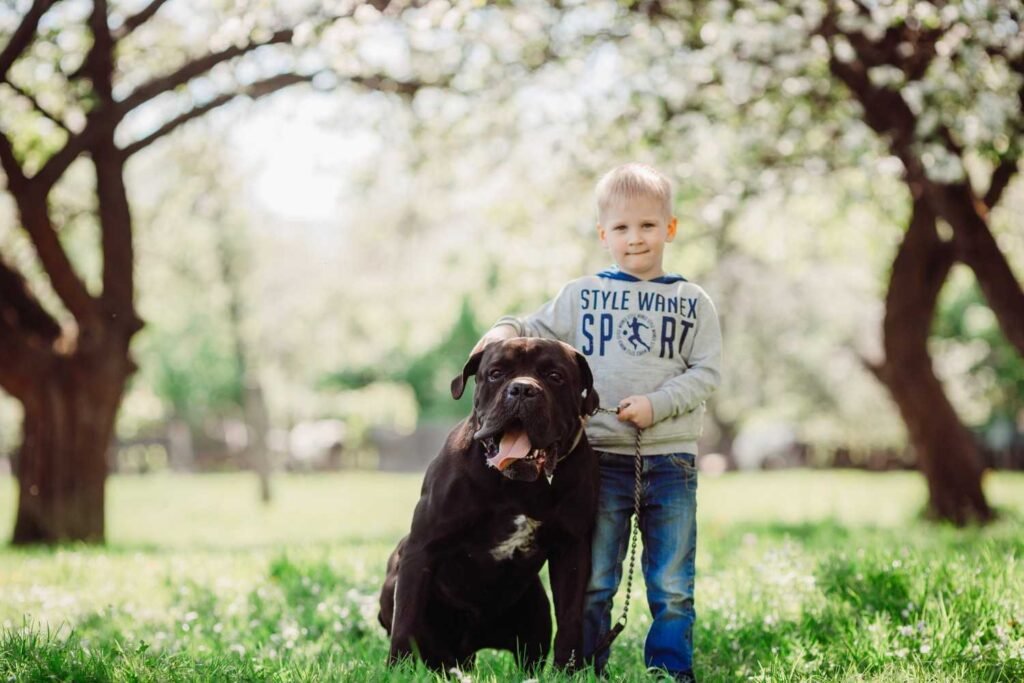
Before choosing a breed, I always focus on temperament rather than popularity. A good family dog needs to tolerate noise, excitement, and behavioral and emotional disorders from children.
Several qualities consistently appear in dogs that thrive in homes with kids.
Patient temperament
Dogs that remain calm when children hug them, run around them, or accidentally startle them are usually better suited for family life.
Trainability
The most reliable family dogs learn commands quickly and respond well to structure. This helps parents teach both the dog and the children how to interact safely.
Balanced energy
Children love active dogs, but extremely high-energy breeds can overwhelm younger kids. Moderate energy levels usually work best for families.
Sturdy build
Dogs with a strong frame tend to tolerate rough play better than fragile toy breeds.
These qualities appear in many breeds commonly recommended as the best dog breeds for kids.
Classic Family Favorites in American Households
Some breeds consistently appear on veterinarian and trainer recommendations because they combine friendliness, intelligence, and loyalty.
Labrador Retriever
The Labrador Retriever remains one of the most popular family dogs in the United States. Labs are outgoing, affectionate, and extremely patient with children. Their playful personality makes them excellent companions for active families who enjoy outdoor activities like hiking, swimming, or playing fetch in the backyard.
Labs also respond well to training, which helps parents set clear boundaries for both the dog and the kids.
Golden Retriever
Golden Retrievers are famous for their gentle and affectionate nature. They love spending time with people and usually show remarkable patience around children.
Because Goldens are eager to please and highly intelligent, they are easy to train. Many therapy dogs and service dogs come from this breed, which says a lot about their calm temperament.
Beagle
Beagles bring energy and curiosity to a family environment. They are small enough for kids to handle but sturdy enough for active play.
Originally bred as pack dogs, Beagles enjoy being around people and tend to bond closely with family members.
Gentle Giant Dog Breeds That Are Great With Kids
Large dogs sometimes look intimidating, but several giant breeds are famously gentle with children.
Newfoundland
Newfoundlands often earn the nickname “nanny dogs.” Their protective instinct and calm demeanor make them excellent companions for families.
They are also among the most famous dog breeds that enjoy swimming, thanks to their strong build and water-resistant coat.
Bernese Mountain Dog
Bernese Mountain Dogs combine calmness with affection. These dogs bond strongly with families and usually adapt well to homes with older children.
They thrive in households that enjoy outdoor activities.
Great Dane
Despite their enormous size, Great Danes are known as gentle giants. With proper training and early socialization, they often become calm, affectionate companions who tolerate children surprisingly well.
Small & Apartment-Friendly Breeds for Families
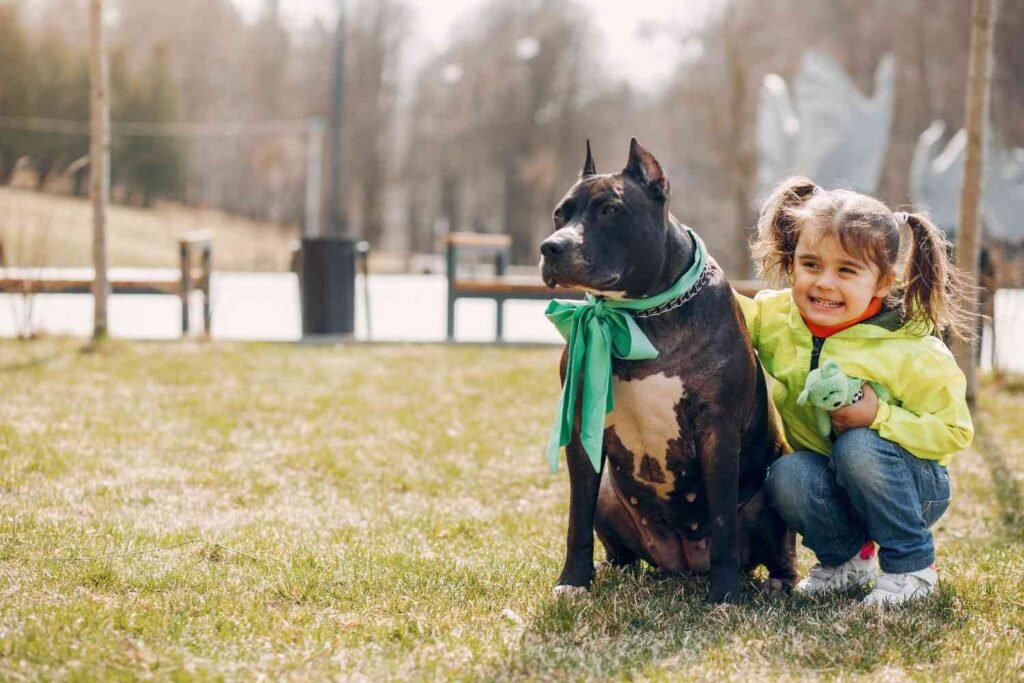
Not every family lives in a house with a large backyard. Fortunately, several smaller breeds adapt well to apartment life while still forming strong bonds with children.
Cavalier King Charles Spaniel
This affectionate breed thrives on companionship and loves spending time with people. Cavalier King Charles Spaniels are gentle and calm, which makes them ideal for families with younger children.
Pug
Pugs have playful personalities and love attention. Their moderate energy level allows them to enjoy playtime without overwhelming children.
Shih Tzu
Shih Tzus were originally bred as companion dogs, and they still excel in that role. They enjoy cuddling and spending time with family members.
Hypoallergenic Options for Families With Allergies
Some households need dogs that shed less due to allergies. Fortunately, a few breeds combine family-friendly personalities with low-shedding coats.
Poodle
Poodles rank among the smartest dog breeds and come in multiple sizes, including Standard, Miniature, and Toy.
Standard Poodles are particularly good with kids because they combine intelligence, playfulness, and a sturdy build.
Bichon Frise
Bichon Frises are cheerful and energetic. Their fluffy coat sheds very little, which may help families dealing with mild allergies.
They enjoy attention and match a child’s playful energy.
Important Considerations Before Choosing a Family Dog
Even though some breeds are widely recognized as the best dog breeds for kids, choosing the right dog still depends on the family’s lifestyle.
Supervision is essential
No matter how gentle a breed may be, young children should never interact with dogs without adult supervision. Teaching kids how to respect a dog’s space helps prevent accidents.
Training and socialization matter
Breeds such as Boxers or German Shepherds can become excellent family dogs when they receive proper training and early socialization.
Lifestyle compatibility
Families should consider their living space, activity level, and available time for training before choosing a breed.
Climate and environment
While American households commonly choose retrievers or poodles, some regions benefit from breeds that tolerate heat or cold better than others.
Teaching Kids How to Respect Dogs
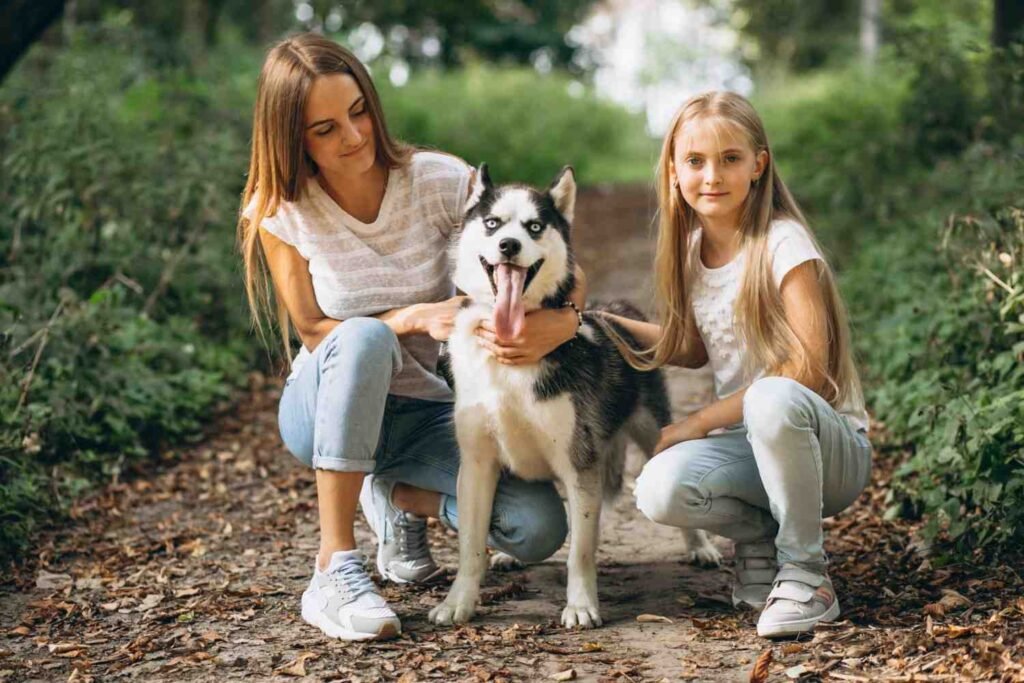
One of the most important lessons I learned as a parent is that the relationship between kids and dogs must work both ways.
Children should learn simple rules such as avoiding ear pulling, respecting a dog’s sleeping space, and approaching pets calmly.
When kids participate in feeding, brushing, and walking the dog, they develop a stronger bond with their pet and learn responsibility.
Why Temperament Always Matters More Than Breed
Although breed reputation helps narrow the search, every dog has its own personality.
Meeting a dog before adoption often reveals whether it fits your family’s lifestyle. Rescue organizations and responsible breeders usually help families choose dogs that match their home environment.
With proper care, training, and love, many breeds can become wonderful companions for children.
Frequently Asked Questions (FAQs)
1. What is the safest dog for families with children?
Labrador Retrievers and Golden Retrievers are widely considered among the safest dogs for families because of their friendly temperament and trainability.
2. Are big dogs safer for kids than small dogs?
Not necessarily. Large dogs may tolerate rough play better, but many smaller breeds also thrive in family environments when children interact with them gently.
3. What age should kids be before getting a dog?
Many experts recommend introducing dogs when children are around five years old so they can understand basic safety rules.
4. Are hypoallergenic dogs good for families?
Yes. Breeds like Poodles and Bichon Frises shed less and can be good options for households dealing with mild allergies.
Final Thoughts
Choosing the best dog breeds for kids involves more than picking a popular breed. Families should think about temperament, lifestyle, training commitment, and how children will interact with the dog.
When parents choose carefully and teach children to respect animals, the result can be one of the most rewarding relationships a child will ever experience.
A well-matched family dog becomes more than a pet. It becomes a loyal friend who grows up alongside the kids and becomes part of the family’s story.