

Living with a dog brings joy, companionship, and energy into a home. However, constant barking can quickly become stressful for both owners and neighbors. Many dog owners begin searching for how to stop dog barking when the noise becomes disruptive or difficult to manage.
The key thing I learned while researching professional dog training methods used across the United States is that barking usually has a clear cause. Dogs bark because they are bored, anxious, excited, or trying to communicate something important.
Once you understand the trigger and apply consistent training techniques, most barking problems become manageable.
Why Dogs Bark in the First Place
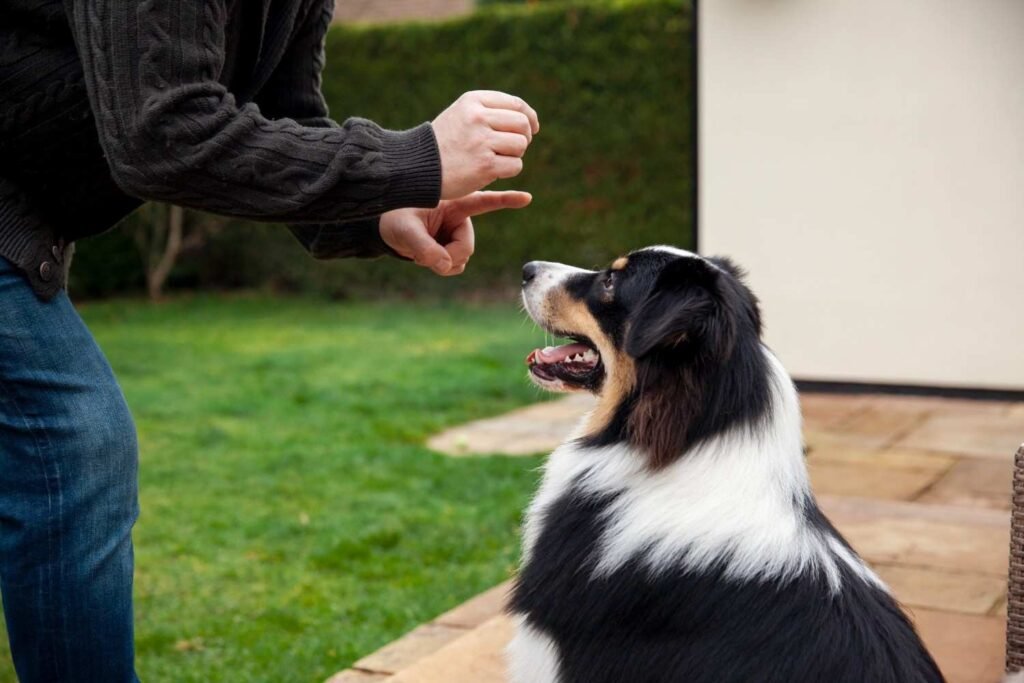
Before trying to solve the issue, it is important to understand the motivation behind barking. Dogs rarely bark without a reason.
Common barking triggers include:
- Territorial behavior when someone approaches your house
- Attention-seeking behavior for food, play, or interaction
- Boredom due to lack of exercise
- Fear caused by unfamiliar sounds or people
- Separation anxiety when left alone
- Excitement when greeting visitors or other dogs
Identifying the cause is the first step when learning how to stop dog barking effectively.
Immediate Management Steps That Reduce Barking Quickly
Professional trainers often recommend simple environmental changes that immediately reduce barking triggers.
Remove the Motivation
If your dog barks at people walking past your house, remove the visual trigger.
Helpful solutions include:
- Closing curtains or blinds
- Installing privacy window film
- Rearranging furniture so the dog cannot monitor the street
When the trigger disappears, the barking usually decreases.
Ignore Attention-Seeking Barking
Dogs sometimes bark because they learned it works.
If your dog barks for food, play, or attention:
- Do not make eye contact
- Do not talk to them
- Do not touch them
Wait until your dog becomes quiet before giving attention. This teaches that calm behavior gets rewarded.
Teach the “Quiet” Command Step by Step
One of the most effective techniques recommended by professional trainers is teaching a quiet cue.
Here is a simple training method:
- Allow your dog to bark two or three times to acknowledge the alert.
- Say a calm cue like “Quiet” or “Enough.”
- Hold a treat close to their nose.
- When they stop barking, reward immediately.
Use high-value treats such as small pieces of cheese or hot-dog bits during training sessions.
Practicing this daily helps dogs learn that silence brings rewards.
Redirect Barking Into Another Behavior
Dogs cannot easily bark when performing another activity.
When the doorbell rings, train your dog to:
go to their bed
pick up a toy
sit calmly near the entryway
These behaviors can be taught using basic Dog Training Commands, which help redirect energy into controlled actions.
This technique works because it replaces barking with an incompatible behavior.
Desensitise Common Barking Triggers
Some dogs react strongly to specific sounds such as thunder, fireworks, or doorbells.
A helpful training technique involves gradual exposure.
Steps include:
- Play recordings of the trigger at very low volume
- Reward calm behavior with treats
- Slowly increase the volume over several sessions
This process teaches dogs that the sound is not threatening.
What Dog Owners Should Avoid
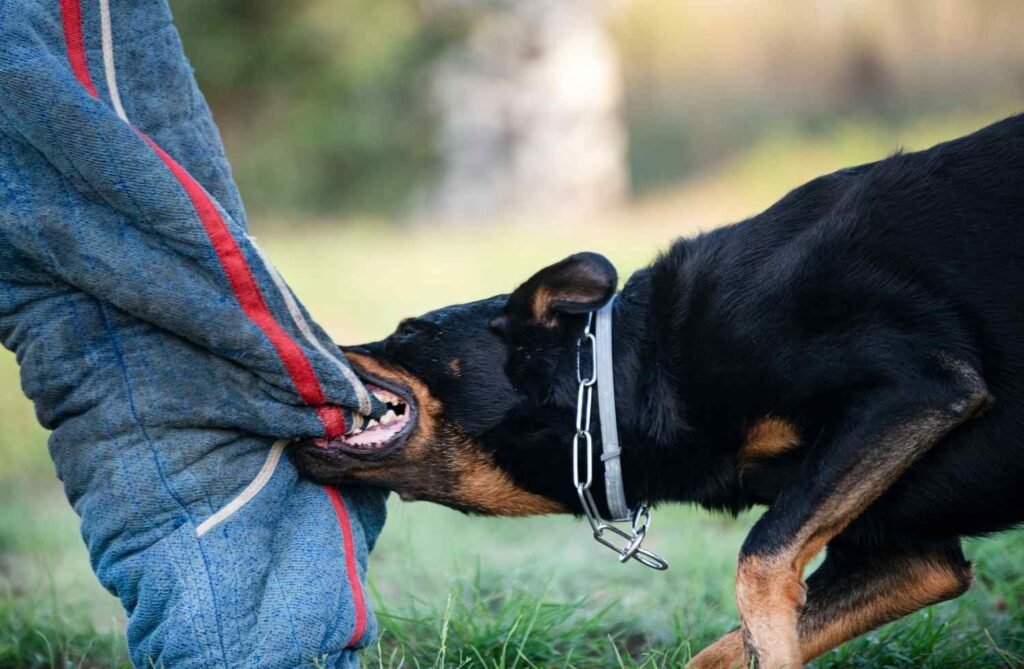
When trying to manage barking, certain reactions can make the problem worse.
Do Not Yell at Your Dog
Shouting “Quiet!” often increases barking because dogs think their owner is joining the noise.
Avoid Punishment Tools
Shock collars, spray collars, and physical discipline can create fear and anxiety.
These tools may temporarily stop barking but often increase behavioral issues long-term.
Do Not Bark Back
Dogs mirror human energy. If you respond with frustration, your dog may become more anxious and bark more.
Remaining calm is essential.
Lifestyle Changes That Reduce Barking Long-Term
Behavior problems often improve when a dog’s physical and mental needs are met.
Increase Daily Exercise
A tired dog is much less likely to bark excessively.
Most dogs benefit from:
- 30–60 minutes of physical activity
- walks around the neighborhood
- running or hiking
- playing fetch or agility games
Provide Mental Stimulation
Mental enrichment keeps dogs engaged and reduces boredom barking.
Popular options include:
- puzzle toys
- treat-dispensing toys like Kongs
- scent games
- obedience training sessions
Use White Noise When You Leave
External sounds can trigger alert barking when dogs are alone.
Using a white noise machine or soft background music can help mask those sounds.
How to Stop Dog Barking When Left Alone
Separation-related barking can be difficult for many owners.
Training strategies include:
Gradual Departures
Practice leaving home for short periods.
Start with:
- 5 minutes
- then 10 minutes
- gradually increase the duration
This helps your dog build confidence.
Provide Enrichment During Alone Time
Interactive toys give dogs something to focus on while you are away.
Food puzzles and frozen treat toys work especially well.
These techniques are commonly recommended by trainers when addressing how to stop dog barking caused by separation anxiety.
When to Seek Professional Help
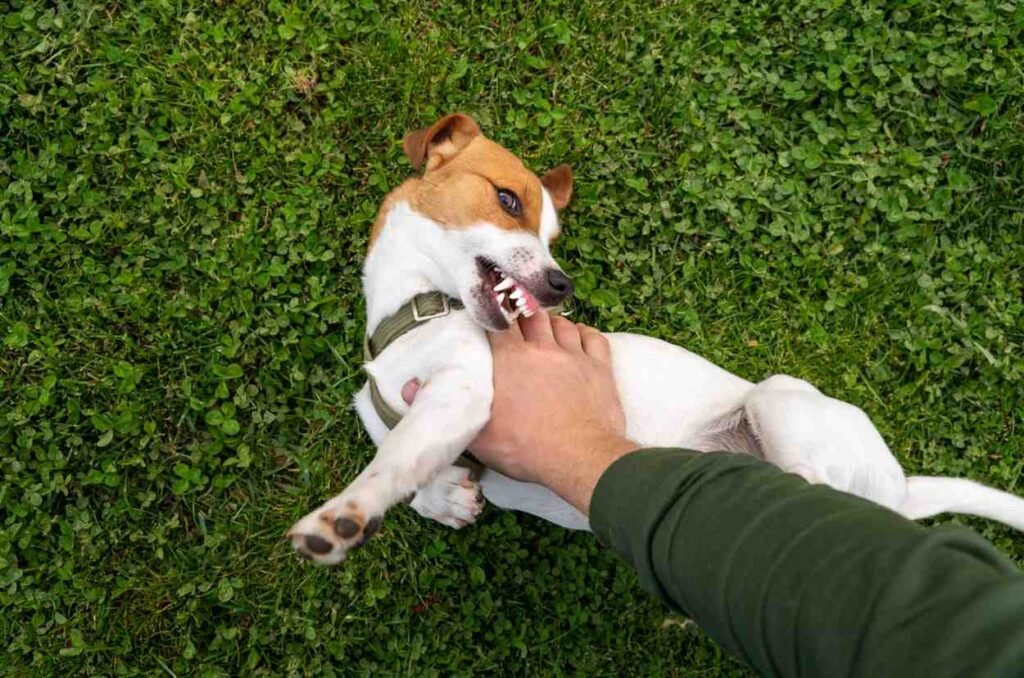
Sometimes barking may indicate deeper behavioral issues.
Consider consulting:
- a certified dog trainer
- a veterinary behaviorist
- your veterinarian
Professional help is especially important if barking is linked to:
- severe anxiety
- aggression
- sudden behavioral changes
Frequently Asked Questions (FAQs)
1. Why does my dog bark at strangers?
Dogs often bark at unfamiliar people because of territorial instincts or protective behavior. Proper socialization and reward-based training can reduce this reaction.
2. How long does it take to train a dog to stop barking?
Many dogs show improvement within a few weeks when owners practice consistent training methods. Long-term behavior change may take a few months.
3. Do anti-bark collars work?
While some collars reduce barking temporarily, many trainers discourage their use because they do not address the root cause.
4. Can boredom cause excessive barking?
Yes. Dogs that lack exercise or mental stimulation often bark to release energy or frustration.
Final Thoughts
Learning how to stop dog barking begins with understanding why your dog is barking in the first place. Once you identify the trigger, consistent training and lifestyle adjustments can significantly reduce the behavior.
With patience, exercise, mental stimulation, and reward-based training, most dogs develop calmer habits. These strategies not only reduce noise but also strengthen the relationship between dogs and their owners.