When I first started researching protection dogs for my home, I realized that choosing a guardian isn’t just about size or strength. The most reliable protectors combine loyalty, intelligence, confidence, and the ability to judge real threats.
The best guard dog breeds aren’t simply loud barkers. A true guard dog understands when to alert their owner and when to step in to defend their territory or family. Many of these breeds serve alongside police, military, and security teams across the United States because of their strong instincts and trainability.
In this guide, I’ll break down the most trusted protection dogs, explain what makes them effective guardians, and help you decide which breed fits your home and lifestyle.
What Makes a Great Guard Dog?
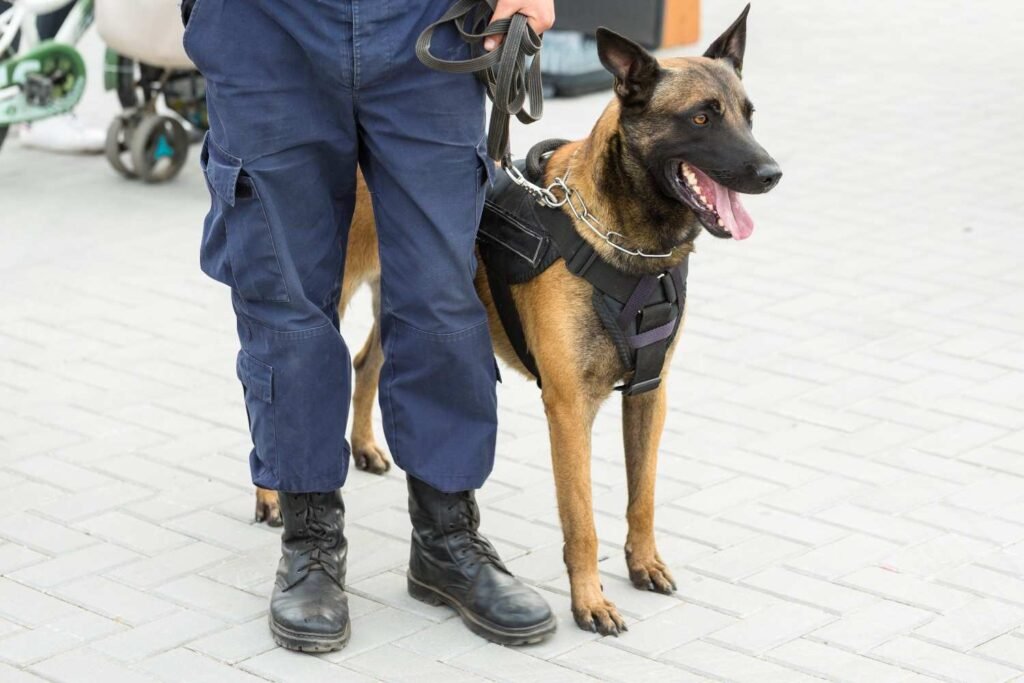
Before choosing a protective breed, I always recommend understanding the qualities that define a dependable guardian.
A strong protection dog typically shows:
- Natural protective instincts
- High intelligence and trainability
- Strong loyalty to their family
- Confidence and courage
- Physical strength and alert awareness
Responsible training is essential. Even powerful guard dogs must learn discipline, obedience, and proper socialization so they can remain calm around family members while still protecting the home.
Guard Dog vs Watchdog: Understanding the Difference
Many dog owners confuse watchdogs with guard dogs, but they serve different roles.
A watchdog alerts owners by barking when something unusual happens. Smaller breeds often fill this role.
A guard dog, however, has the size, courage, and instincts to physically defend property or family if necessary.
In most homes, the ideal companion combines watchdog alertness with guard dog strength, which is why certain working breeds stand out as top protectors.
Top Traditional Protection Dogs
The following dogs have built a reputation over decades for their protective instincts and reliability.
German Shepherd
The German Shepherd is widely regarded as the finest all-purpose working dog. Police departments and military units across the US rely on military working dogs because they learn quickly and remain fiercely loyal to their handlers.
Why they excel as protectors:
- Highly intelligent and trainable
- Fearless yet controlled temperament
- Strong loyalty to family
- Excellent threat detection ability
For families wanting both companionship and security, German Shepherds remain one of the best guard dog breeds available.
Rottweiler
Rottweilers are calm, powerful, and confident. Historically used to guard livestock and property, they remain natural protectors of their home and family.
Strengths include:
- Strong territorial instincts
- High confidence and courage
- Deep loyalty to their family
- Powerful build and presence
Early socialization is important so they learn to distinguish between real threats and normal visitors.
Doberman Pinscher
Dobermans are sleek, athletic, and incredibly alert. Their speed and precision make them exceptional personal protection dogs.
Reasons owners choose Dobermans:
Exceptional intelligence
Fast reaction time
Strong attachment to owners
Natural guarding instincts
They are widely respected in the US as elite protection companions and are also considered one of the most responsive dog breeds that re easy to train.
Bullmastiff
Bullmastiffs were originally bred to protect English estates from poachers. They rely on their massive size and quiet confidence to deter intruders.
Key traits:
- Calm but intimidating presence
- Strong protective instincts
- Loyal and affectionate with family
- Known as gentle giants at home
Rather than barking aggressively, Bullmastiffs often guard silently.
Belgian Malinois
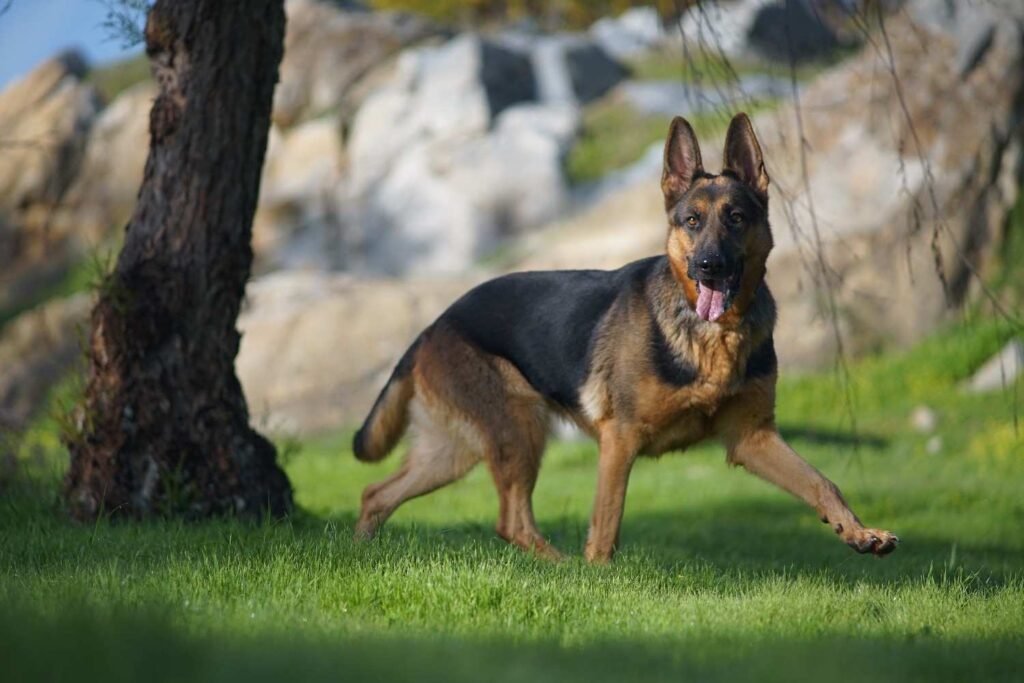
The Belgian Malinois has become a favorite among US military and law-enforcement units.
These dogs are highly focused and extremely energetic.
They excel because they are:
- Exceptionally intelligent
- Task-oriented and driven
- Highly trainable
- Protective and alert
However, they require active owners who can provide daily training and exercise.
Powerful Property Guardians
Some breeds developed specifically to guard land, farms, or livestock.
Cane Corso
The Cane Corso is a muscular Italian mastiff with a commanding presence. These dogs are naturally territorial and protective.
Notable traits:
- Strong guarding instincts
- Impressive strength
- Loyal temperament
- High confidence
With proper training, they become devoted protectors of both home and family.
Akita
Akitas are dignified Japanese dogs known for their intense loyalty.
They are often described as silent guardians, observing situations carefully before reacting.
Key characteristics:
- Loyal to their family
- Reserved around strangers
- Courageous and independent
- Naturally protective
Tibetan Mastiff
Originally bred to guard Himalayan livestock from predators, Tibetan Mastiffs are powerful and independent.
They are best suited for:
- Large rural properties
- Experienced dog owners
- Homes needing a strong territorial guardian
Because of their thick coats, they prefer cooler climates.
Unique and Specialized Protection Dogs
Some lesser-known breeds also possess impressive guarding ability.
Giant Schnauzer
Giant Schnauzers combine intelligence with strong protective instincts.
Why they make effective guardians:
- Highly intelligent working breed
- Naturally territorial
- Loyal and energetic
- Excellent obedience training potential
Many trainers consider them one of the most underrated protection dogs.
Komondor
The Komondor is famous for its corded “mop-like” coat, but it was originally bred in Hungary to guard livestock.
These dogs are:
- Courageous
- Independent thinkers
- Highly protective of territory
They respond quickly when they sense danger.
Rhodesian Ridgeback
Nicknamed the “Lion Dog,” Rhodesian Ridgebacks were historically used to track lions in Africa.
Their strengths include:
- Athletic build
- Strong prey drive
- Natural bravery
- Keen ability to assess threats
Their balanced temperament makes them strong guardians without unnecessary aggression.
Choosing the Right Guard Dog for Your Home
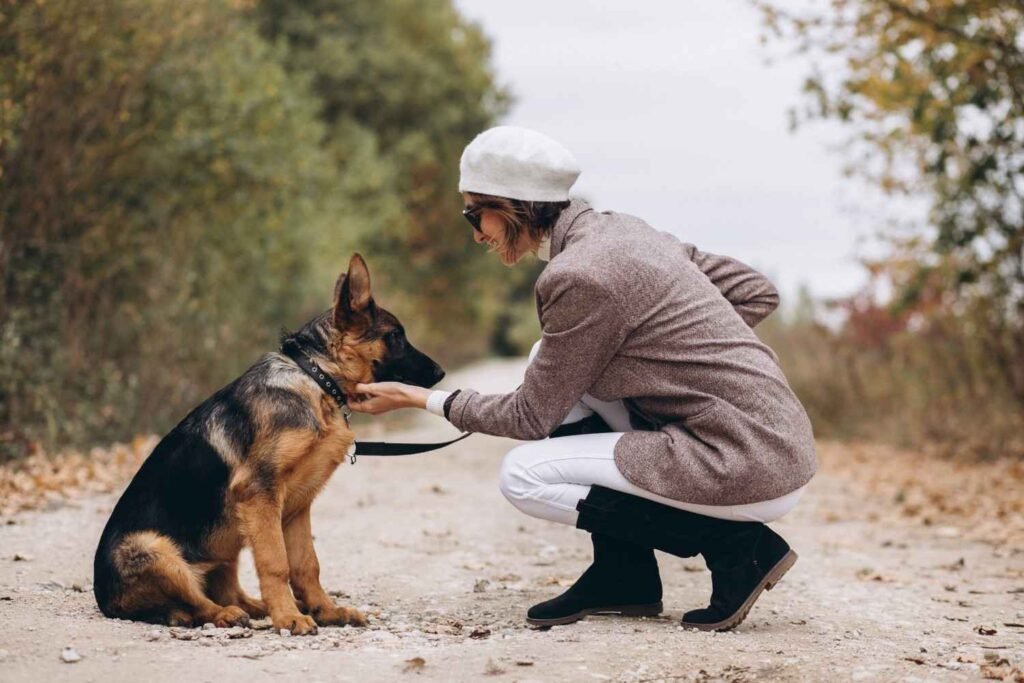
Selecting from the best guard dog breeds requires considering more than just protection ability.
Important factors include:
- Your experience with large dogs
- Your home size and yard space
- Climate and environment
- Time available for training
- Activity level and exercise needs
Some breeds like Belgian Malinois need constant activity, while others like Bullmastiffs prefer a calmer household.
The key is choosing the right dog that matches your lifestyle as well as your security needs.
How to Train a Guard Dog Safely
Even the most protective breed needs proper training.
I always recommend focusing on three steps:
Early Socialization
Expose your dog to different people, environments, and sounds.
Strong Obedience Training
Commands like sit, stay, heel, and recall build discipline and control.
Professional Protection Training
Experienced trainers teach dogs when to react and when to remain calm.
A well-trained guardian becomes both a reliable protector and a stable companion.
Frequently Asked Questions (FAQs)
1. What dog breed protects a house best?
German Shepherds, Rottweilers, and Dobermans are widely trusted for home protection due to their intelligence, loyalty, and guarding instincts.
2. Are guard dogs safe for families?
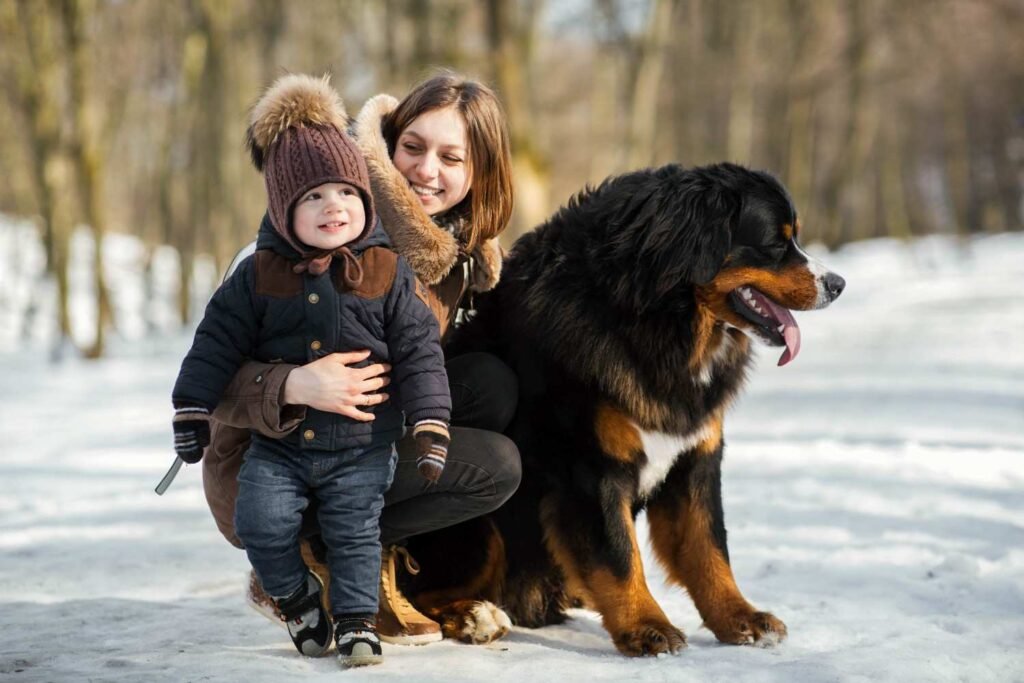
Yes. With proper training and socialization, many protection breeds are affectionate and safe around children.
3. What is the easiest protection dog to train?
German Shepherds and Dobermans are often considered easier to train because they learn commands quickly and respond well to structured training.
3. Do guard dogs require professional training?
Professional training helps develop controlled protective behavior and ensures the dog responds appropriately in real-world situations.
4. The Right Guardian Changes Everything
Choosing the right guard dog isn’t just about strength or intimidation—it’s about loyalty, intelligence, and trust. The right breed becomes more than a protector; it becomes part of your family. With proper training, socialization, and responsible ownership, these dogs provide not only security but also companionship, confidence, and peace of mind for your home every day.
Final Thoughts
Choosing the best guard dog breeds is about more than strength or appearance—it’s about finding a loyal, intelligent companion that fits your lifestyle. A well-trained guard dog not only protects your home but also becomes a trusted member of your family.
With proper socialization, consistent training, and responsible ownership, these dogs learn to stay calm, alert, and confident in any situation. The right guardian offers both security and companionship, giving you peace of mind every day. When you invest time in training and care, your dog becomes more than a protector—it becomes a lifelong partner you can rely on.