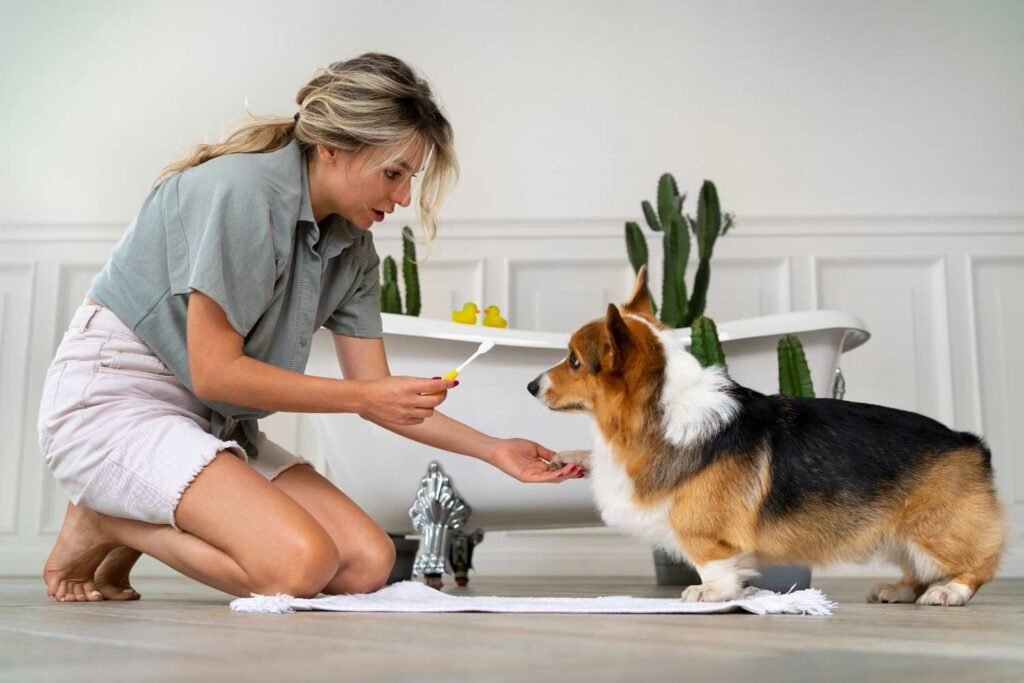
Bringing home a new puppy is exciting, but the first challenge many new dog owners face is learning how to potty train a puppy without constant accidents. When I brought my first puppy home, I quickly realized that successful house training isn’t about luck—it’s about structure, timing, and consistency.
Most veterinarians and dog trainers agree that puppies can become reliably house-trained between four and six months, although some breeds may take longer depending on size and development. The good news is that with the right routine and supervision, the process becomes much easier than most new owners expect.
This guide combines expert advice from leading pet organizations and practical training methods used by dog owners across the United States.
Why Early Potty Training Is Important for Puppies
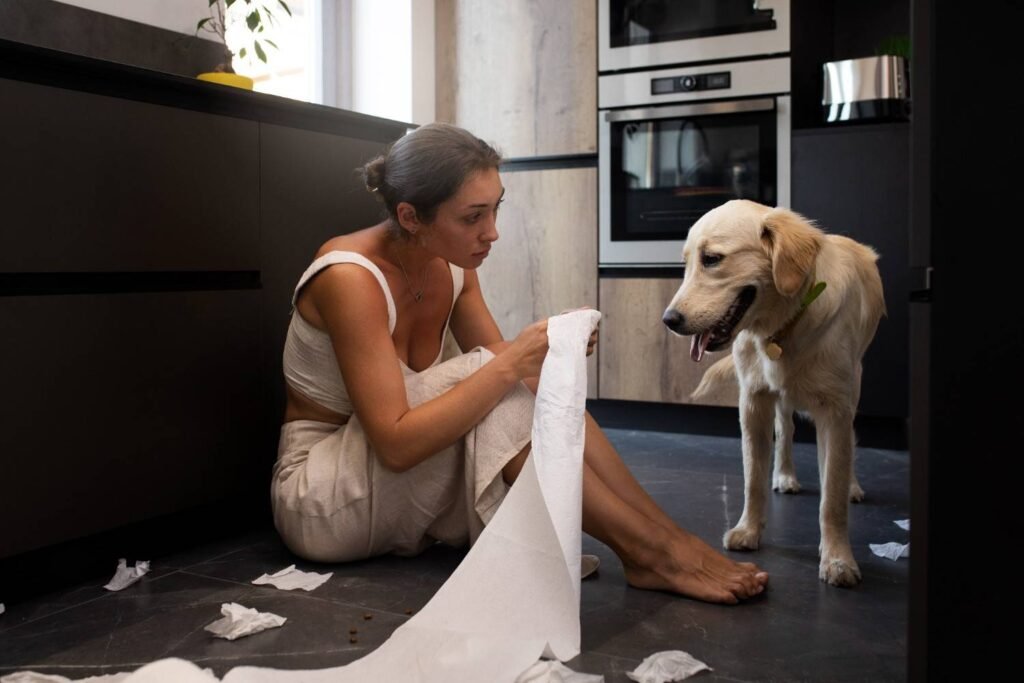
Puppies do not instinctively know where they should relieve themselves. Instead, they learn through repetition, scent association, and rewards.
Early house training helps puppies:
Develop consistent bathroom habits
Avoid forming indoor elimination habits
Learn household boundaries quickly
Build trust with their owner
In my experience, puppies thrive when they follow predictable routines, especially when applying principles like Shaping Behavior In Positive Dog Training, where small successes are consistently rewarded.
Step 1: Establish a Consistent Puppy Potty Schedule
Puppies thrive on routine. A predictable schedule helps them anticipate when and where they should go.
When I began following a strict schedule, accidents decreased dramatically within just a few weeks.
Take Frequent Bathroom Breaks
Young puppies need frequent trips outside, especially during the first few months.
A good starting rule is to take your puppy outside every 30 to 60 minutes during the early training phase.
Key Times Puppies Need to Go Outside
Always take your puppy outside:
- Immediately after waking up
- 10–30 minutes after eating or drinking
- After playtime or exercise
- Before bedtime
- Before leaving the house
Keeping feeding times consistent every day also helps regulate bathroom habits.
Step 2: Use a Designated Outdoor Potty Spot
One of the fastest ways I learned how to potty train a puppy was by using the same outdoor spot every time.
Dogs rely heavily on scent memory. When puppies smell their previous elimination area, it triggers them to go again.
Tips for Using a Potty Spot
- Take your puppy to the same area every time
- Keep them on a leash to avoid distractions
- Allow them a few minutes to sniff and settle
Use a Verbal Cue
Using a phrase like:
“Go potty”
while your puppy is eliminating helps them associate the command with the action.
Over time, the cue alone can encourage them to go quickly.
Step 3: Supervise and Confine Your Puppy Indoors
Until a puppy becomes fully house-trained, they should never roam freely in the house unsupervised.
Watch for Pre-Potty Signals
Many puppies show signs when they need to go outside:
- Sniffing the floor
- Circling repeatedly
- Whining or pacing
- Suddenly stopping play
Whenever I notice these signals, I take the puppy outside immediately.
Use Crate Training
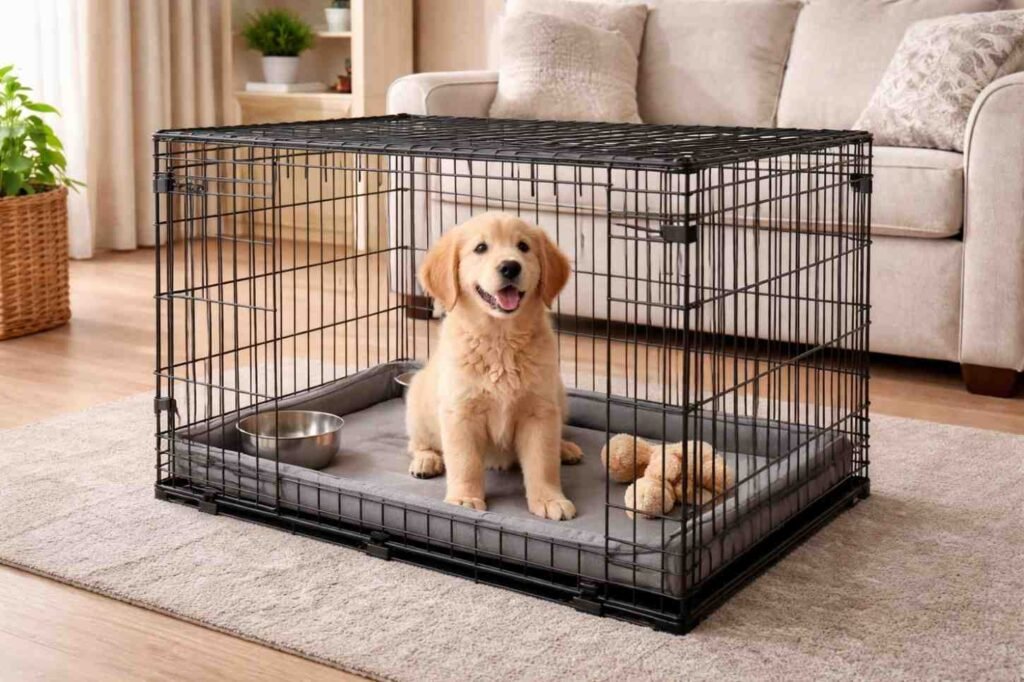
Crate training is one of the most effective tools for house training.
Dogs naturally avoid soiling the area where they sleep.
A crate should be:
- Large enough to stand and turn around
- Not large enough for a bathroom corner
Try the Tether Method
Another useful trick is keeping the puppy on a 6-foot leash attached to you indoors. This keeps them in sight and prevents hidden accidents.
Step 4: Reward Success and Ignore Mistakes
Positive reinforcement is the most powerful training method.
Whenever your puppy goes outside successfully:
- Offer praise immediately
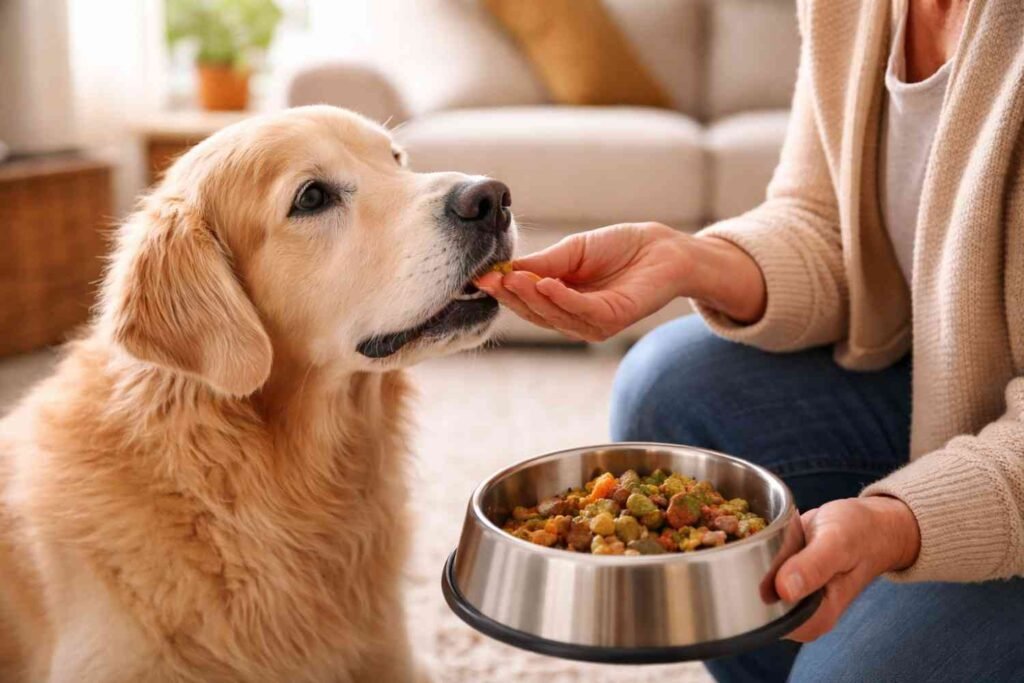
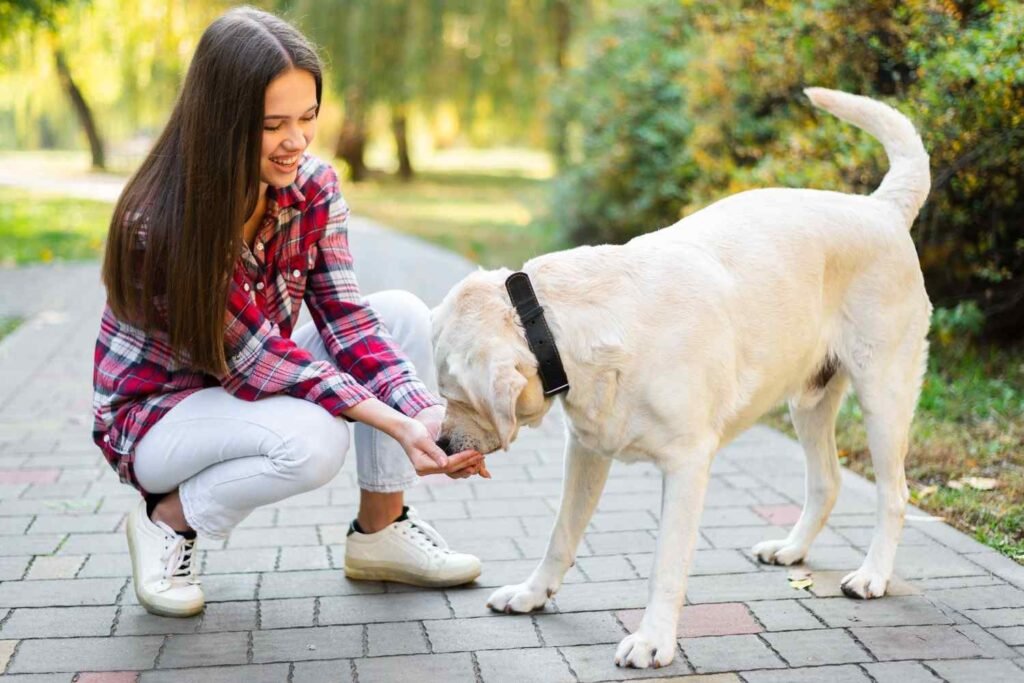
- Give a small treat
- Use enthusiastic encouragement
Timing is important. Rewards must happen immediately after they finish.
Never Punish Accidents
Punishing accidents can confuse puppies and create anxiety.
Instead:
- Interrupt gently if you catch them in the act
- Take them outside right away
- Clean the area thoroughly
Use Enzymatic Cleaners
Regular household cleaners may contain ammonia, which smells similar to urine and can attract dogs back to the same spot.
Many trainers recommend enzymatic cleaners like Nature’s Miracle to remove odor completely.
Puppy Bladder Capacity by Age
Understanding bladder development makes the training process more realistic.
A common rule trainers use is that puppies can hold their bladder for roughly one hour for every month of age.
| Puppy Age | Bladder Capacity |
| 2 Months | 2 Hours |
| 3 Months | 3 Hours |
| 4 Months | 4 Hours |
| 6 Months | 6 Hours |
Young puppies may still need overnight bathroom breaks during the early weeks.
Common Potty Training Mistakes New Owners Make
Even experienced dog owners sometimes struggle with training because of small mistakes.
Common issues include:
- Inconsistent schedules
- Waiting too long between bathroom breaks
- Allowing too much unsupervised freedom
- Punishing accidents
- Not rewarding success quickly enough
Once I corrected these mistakes, my puppy began improving much faster.
How Long Potty Training Usually Takes
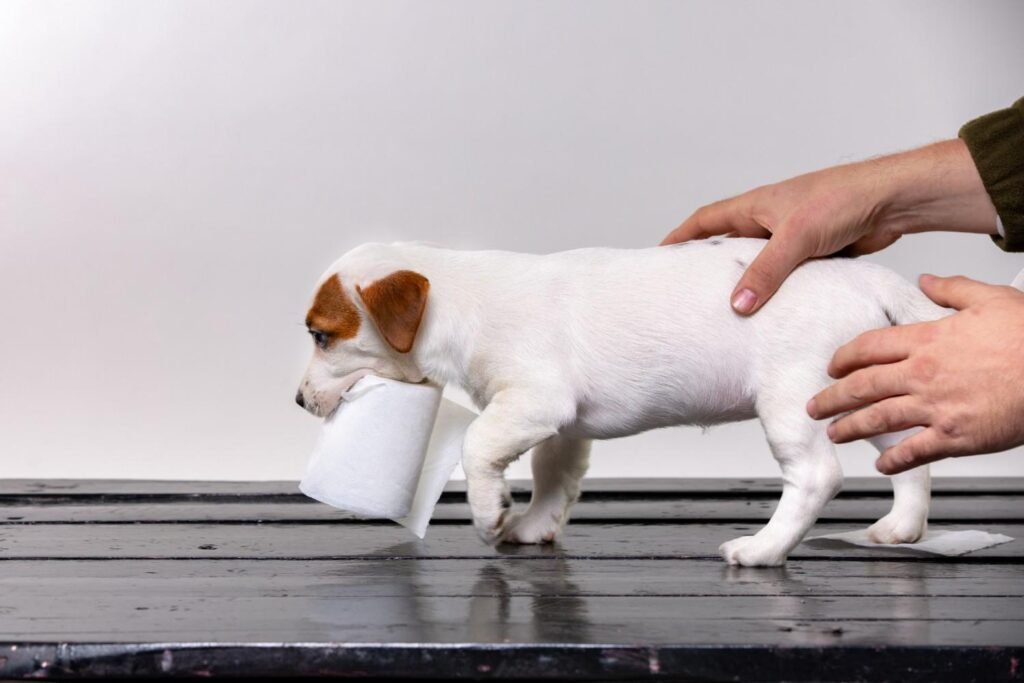
Many new owners wonder how to potty train a puppy quickly.
Most puppies show strong progress within two to four weeks, but complete reliability typically happens between four and six months.
Factors that affect training speed include:
- Breed characteristics
- Puppy age
- Owner consistency
- Supervision level
Small breeds often take longer because they have smaller bladders.
Frequently Asked Questions (FAQs)
1. How often should I take my puppy outside to potty?
Most puppies need bathroom breaks every 30–60 minutes at first, plus after meals, naps, and play sessions.
2. Can apartment owners potty train a puppy successfully?
Yes. Many apartment owners succeed by taking frequent outdoor walks, using consistent schedules, and temporarily using puppy pads if needed.
3. Should puppies be woken up at night to go outside?
Very young puppies may need one overnight potty break. As they grow older, they can usually sleep through the night.
4. What is the fastest method for house training a puppy?
The fastest approach combines supervision, crate training, frequent outdoor trips, and immediate rewards.
Final Thoughts
Learning how to potty train a puppy takes patience, but the process becomes much easier when you follow a predictable routine. With a consistent schedule, supervision, and positive reinforcement, most puppies develop reliable bathroom habits within a few months.
For many dog owners in the United States, this training phase becomes the foundation for a well-behaved and confident dog.