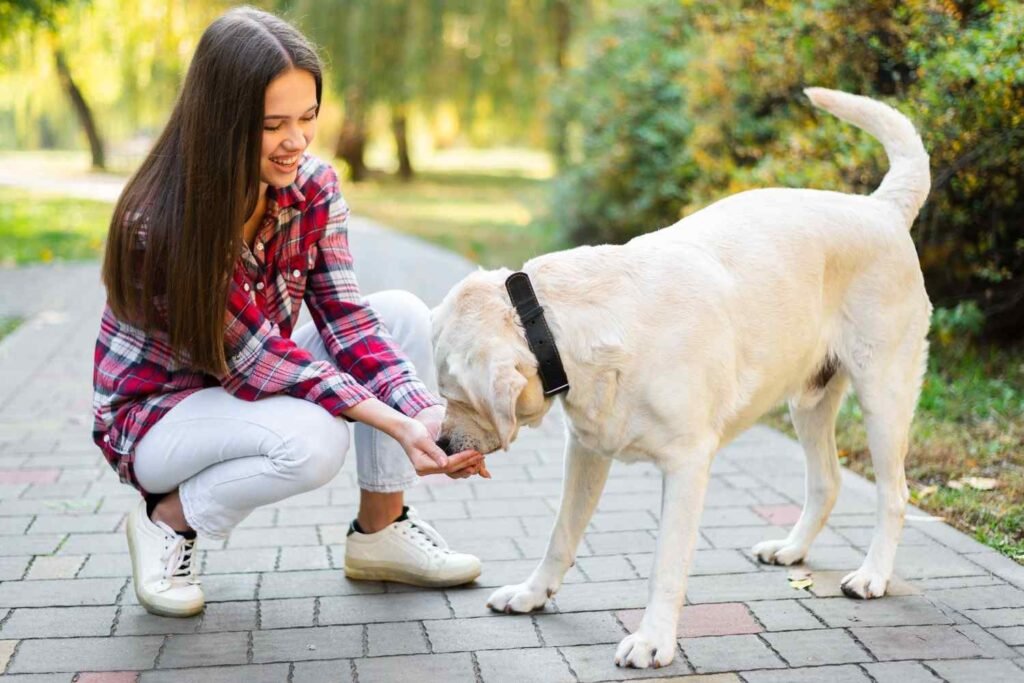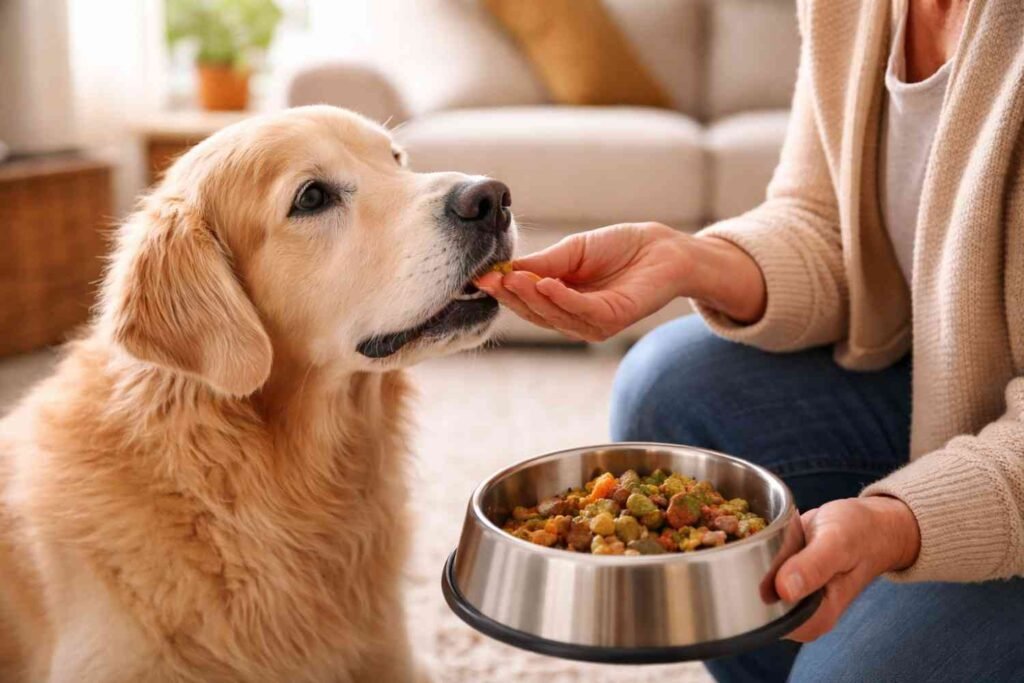
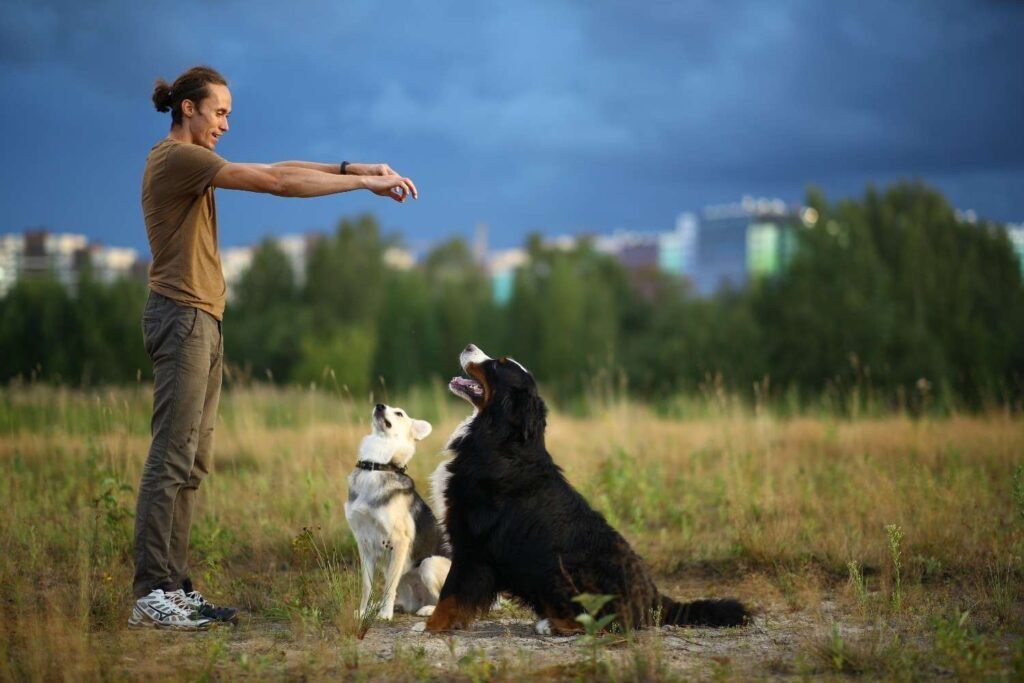
When I first started training my dog, I realized how important it is to have a clear basic dog training commands list. Dogs learn faster when commands stay consistent, simple, and tied to everyday routines.
Across the United States, professional trainers and organizations like the American Kennel Club emphasize teaching foundational commands early. These commands improve communication, prevent dangerous situations, and help dogs behave well in homes, parks, and public spaces.
In this guide, I’ll walk through the essential commands every dog should learn, plus additional life-management cues that make daily life smoother.
Why Every Dog Owner Should Use Structured Training Commands
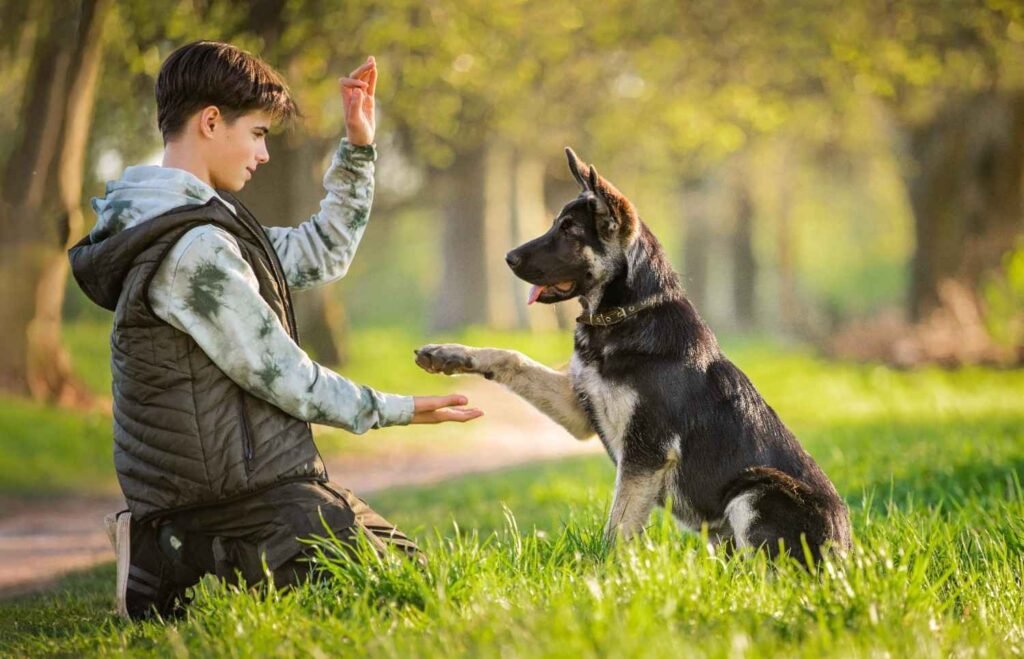
Dogs thrive on clear expectations. When I train my dog using simple commands and consistent cues, the results are immediate. Instead of confusion, the dog understands exactly what behavior I want.
Teaching commands also improves safety. For example, a reliable recall command can stop a dog from running into traffic or chasing wildlife.
Benefits of obedience training include:
- Better behavior at home
- Safer walks in neighborhoods and parks
- Improved focus and impulse control
- Reduced anxiety through structure
- Stronger bond between dog and owner
In many U.S. cities and communities, well-trained dogs are more welcome in public spaces such as dog parks, outdoor cafes, and walking trails.
The Essential Seven Commands Every Dog Should Learn
Professional trainers often refer to the “Essential Seven” as the core obedience skills every dog should master.
Sit
Sit is usually the first command I teach. It promotes impulse control and helps dogs focus before meals, greetings, or walks.
To teach how to sit, I hold a treat above the dog’s nose and slowly move it backward. As the dog’s head follows the treat, their body naturally lowers into a sitting position. Once the dog sits, I reward myself immediately.
Stay
Stay tells the dog to remain in position until released.
This command prevents dangerous behavior like bolting out the door or running toward traffic.
I start by asking the dog to sit, then say “stay” while holding my palm out like a stop signal. Gradually increasing distance helps build reliability.
Down
Down asks the dog to lie with their belly on the floor.
This command is extremely useful when managing excited dogs in public places such as outdoor restaurants, vet waiting rooms, or parks.
I guide the dog into position by lowering a treat to the floor and extending it outward.
Come (Recall)
Recall may be the most important command in the basic dog training commands list.
When a dog reliably returns when called, it can prevent accidents during off-leash play or outdoor activities.
I start training recall in a quiet indoor environment. I say the dog’s name followed by “come,” then reward enthusiastically when the dog returns.
Off
Off tells a dog to remove their paws from a person, furniture, or counters.
Many people confuse this with “down,” but off refers to getting off something rather than lying down.
Consistency helps dogs understand the difference between these commands.
Heel
Heel instructs a dog to walk calmly beside the handler without pulling the leash.
In busy American neighborhoods, loose-leash walking is essential for safe daily walks.
I reward my dog for staying close to my left side while walking.
No
No is a correction cue used to interrupt unwanted behavior immediately.
For example, if a dog begins chewing furniture or jumping on guests, saying “no” signals that the behavior should stop.
Clear tone and consistent timing help dogs understand this cue.
Important Daily Management Commands
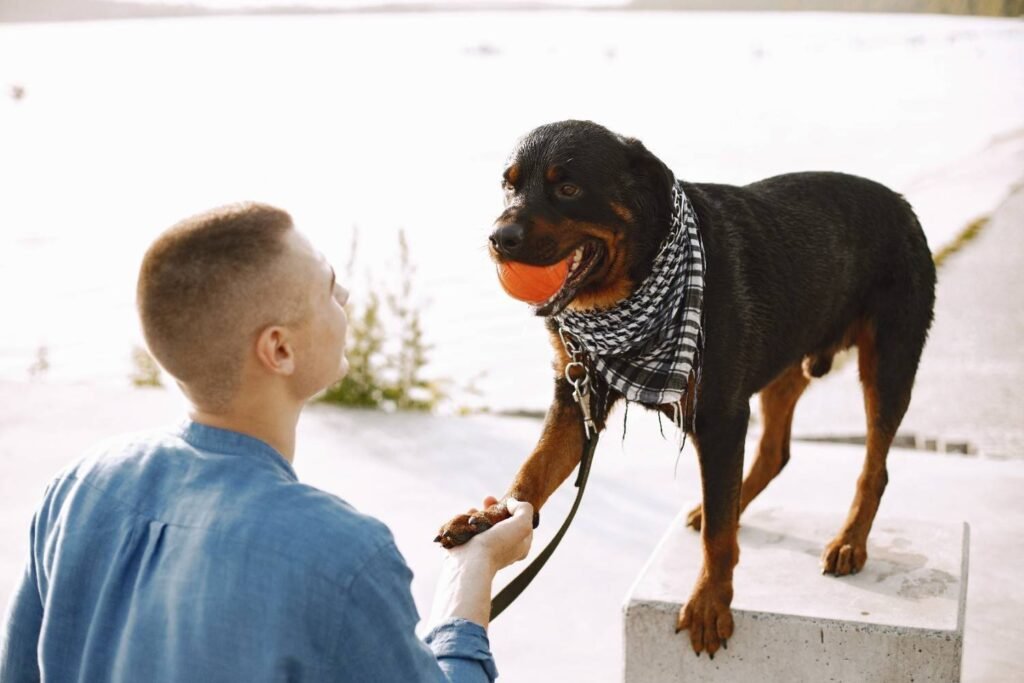
Beyond the core commands, several cues make everyday life easier for dog owners.
Leave It
Leave it tells a dog to ignore something they want to investigate.
This command can prevent dogs from eating dangerous items like garbage, dropped food, or wildlife remains.
Drop It
Drop it instructs the dog to release an object from their mouth.
This command can be lifesaving if the dog picks up something toxic or dangerous.
Wait
Wait asks the dog to pause briefly before proceeding.
I use this command at:
- Doorways
- Car exits
- Street crossings
It adds an extra layer of safety in daily routines.
Release Word
A release word such as “OK” or “Free” signals that the previous command has ended.
For example, after asking a dog to stay, the release word tells them they can move again.
Watch Me
Watch me directs the dog’s attention to the owner’s face.
This command helps redirect dogs when distractions like other dogs or wildlife appear.
Helpful “Life” Commands That Improve Everyday Behavior
Some commands are not strictly obedience commands but still improve daily routines.
Place or Bed
Place tells the dog to go to a specific spot, such as a crate, mat, or bed.
It is extremely helpful when guests arrive or when you want the dog to settle calmly.
Potty or Outside
Using a consistent cue during house training helps dogs understand when it’s time to relieve themselves.
Many U.S. dog owners use simple cues like “potty” or “outside.”
Quiet
Quiet tells the dog to stop barking.
This command is especially useful in apartments or suburban neighborhoods where excessive barking can become a problem.
How I Successfully Teach Commands to My Dog
Training works best when sessions stay short and consistent.
I usually train for 10–15 minutes two or three times per day. This matches a dog’s natural attention span.
Positive reinforcement also makes a big difference. I reward correct behavior with treats, praise, or toys so the dog associates training with positive experiences.
Many dogs also respond well to visual signals. Pairing verbal commands with hand gestures can speed up learning.
Over time, repetition builds reliability. That’s why I rely on a structured basic dog training commands list when building my dog’s training routine.
Common Training Mistakes Dog Owners Should Avoid
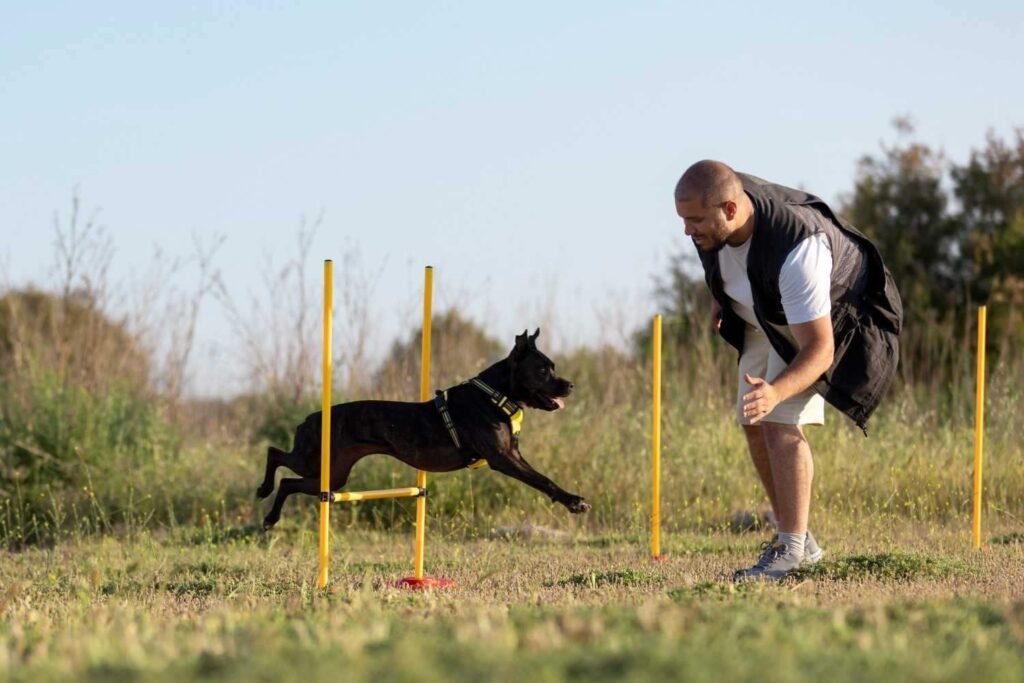
Even experienced dog owners make dog training mistakes during training.
The most common mistakes include:
Repeating commands too often. If a dog hears “sit” multiple times, they learn the first command is optional.
Training sessions that are too long. Dogs learn best in short bursts.
Inconsistent rewards. Immediate praise or treats help reinforce correct behavior.
Avoiding these dog training mistakes can dramatically improve training progress and help your dog learn faster.
Frequently Asked Questions (FAQs)
1. What are the most important dog training commands?
Most professional trainers recommend teaching sit, stay, down, come, heel, off, and leave it as foundational obedience commands.
2. How long does it take to train a dog?
Many dogs begin learning basic commands within a few weeks when training occurs daily and uses positive reinforcement.
3. Can older dogs learn training commands?
Yes. Adult dogs can learn commands successfully. In fact, older dogs often concentrate better than young puppies.
4. Should I use treats every time during training?
Treats help early learning, but once the dog understands the command, rewards can gradually become less frequent.
Conclusion
Training a dog becomes much easier when I follow a structured basic dog training commands list and remain consistent with the words I use.
These commands create a shared language between dog and owner. They help prevent dangerous behavior, improve communication, and make everyday activities like dog sports more enjoyable.
With patience, short training sessions, and positive reinforcement, any dog can learn the skills needed to become a calm, well-behaved companion.