Owning a dog while working full-time can feel overwhelming at first. Mornings are rushed, workdays stretch longer than planned, and the thought of leaving your dog home alone can create constant guilt. Many people assume that dog ownership only works if someone is home most of the day, but that is not always true. With the right structure and expectations, a busy professional life and responsible dog ownership can coexist.
What often makes the biggest difference is routine. Dogs thrive when their day follows a predictable rhythm. When exercise, meals, and downtime happen around the same schedule each day, dogs adjust surprisingly well to their owner’s work routine. Instead of focusing on the hours you are away, the goal becomes creating a balanced daily rhythm that meets both your needs and your dog’s.
Why Routine Matters for Working Dog Owners

Dogs naturally feel safer when their day is predictable. A consistent routine lowers stress and helps prevent behaviors like barking, destructive chewing, or separation anxiety. When dogs understand what happens next in their day, they settle more easily, even when their owner is away.
Working professionals often discover that structure is the key factor that makes balancing work life with dog ownership manageable. Feeding at the same time, maintaining predictable walks, and building daily activity patterns allow dogs to anticipate their needs being met.
A predictable routine also helps regulate a dog’s energy levels. Exercise in the morning, rest during the workday, and activity again in the evening creates a natural cycle that aligns well with a full-time job schedule.
A Realistic Daily Routine for a Full-Time Working Dog Owner

Most experienced dog owners eventually settle into a rhythm that balances work responsibilities with their dog’s needs. While every lifestyle is different, a typical weekday structure often looks something like this:
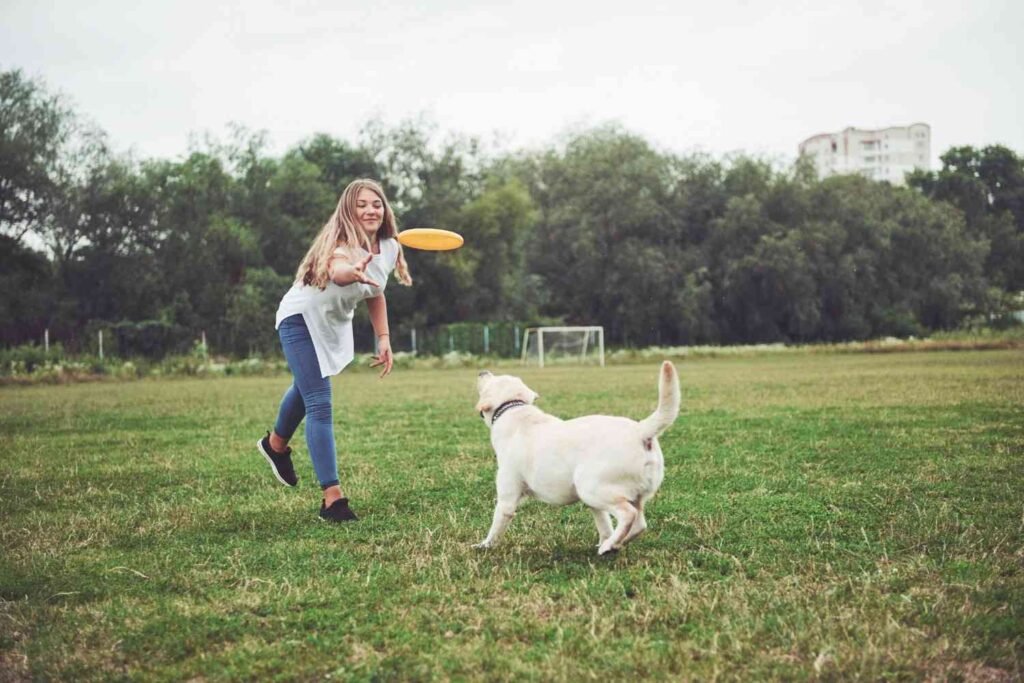
- Morning exercise (30–60 minutes): A brisk walk, run, or game of fetch helps burn off energy before the workday begins.
- Consistent feeding schedule: Dogs do best when meals happen at the same time each morning and evening.
- Quiet daytime period: After exercise and breakfast, many dogs naturally rest for several hours.
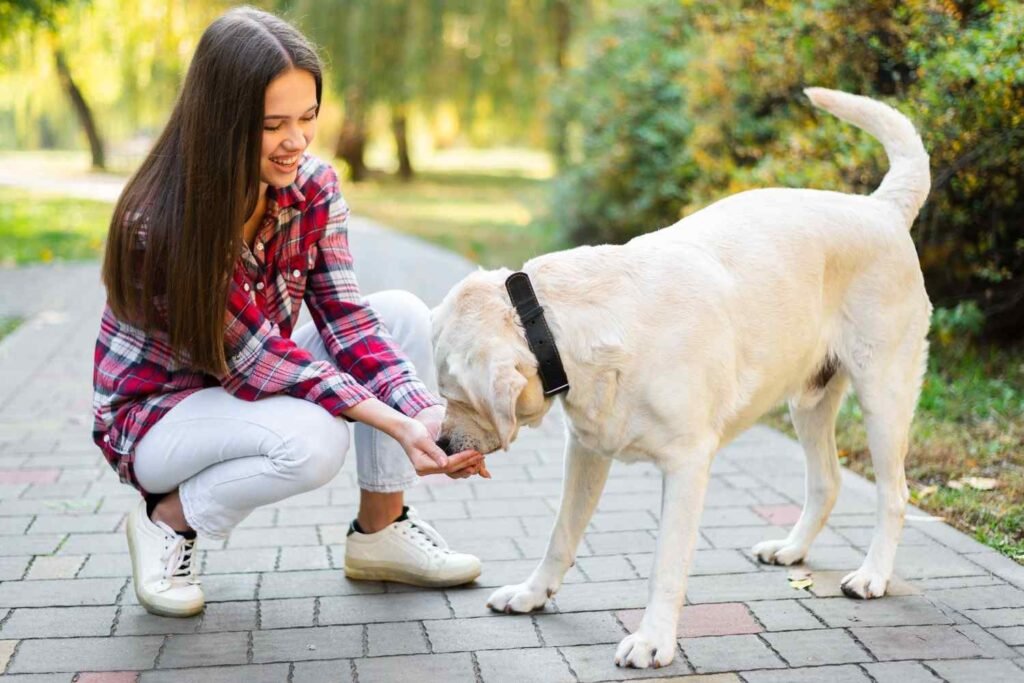
- Evening activity and bonding: A walk, training session, or playtime helps reconnect after the workday.
- Short nighttime walk: A final bathroom break before bed keeps the routine consistent.
The key isn’t perfection. What matters most is consistency. Once dogs understand this pattern, they begin to settle into the rhythm naturally.
Managing Your Dog’s Needs During the Workday

Even with a strong morning routine, long workdays can still present challenges. Many dog owners use simple solutions to ensure their pets remain comfortable and stimulated while they are away.
One of the most common options is hiring a dog walker or pet sitter for a midday visit. A quick walk provides a bathroom break and a short burst of activity that breaks up the day. For social dogs with high energy levels, dog daycare can also be a valuable option. These facilities offer supervised play and interaction with other dogs, which can help prevent boredom.
Technology has also made it easier to stay connected with pets during the workday. Pet cameras allow owners to check in, speak to their dogs, or even dispense treats remotely. While this does not replace physical presence, it can provide reassurance and occasional interaction.
Another helpful strategy is providing mental enrichment. Dogs benefit from toys that encourage problem-solving and exploration. Puzzle toys, treat-dispensing toys, and food-filled chew toys can keep dogs occupied long enough to reduce boredom during quiet daytime hours.
Preventing Boredom and Separation Stress

One of the biggest concerns people have when balancing work life with dog ownership is the risk of separation anxiety. Dogs that lack stimulation or exercise are more likely to become stressed when left alone.
Mental engagement plays a major role in preventing these issues. Dogs need more than physical exercise; they also need opportunities to think and explore. Rotating toys, introducing scent games, or using treat-dispensing puzzles can create small challenges that keep dogs occupied.
The environment also matters. Leaving a comfortable resting area near natural light, keeping familiar scents in the room, building positive routines, and maintaining consistent departure routines can help dogs relax during the day.
Many experienced owners also avoid making departures dramatic. Calm exits and calm returns reduce the emotional spikes that sometimes trigger anxious behavior.
Choosing the Right Lifestyle Adjustments

Balancing work life with dog ownership often requires a few lifestyle adjustments. Small changes in routine can significantly improve both the dog’s well-being and the owner’s peace of mind.
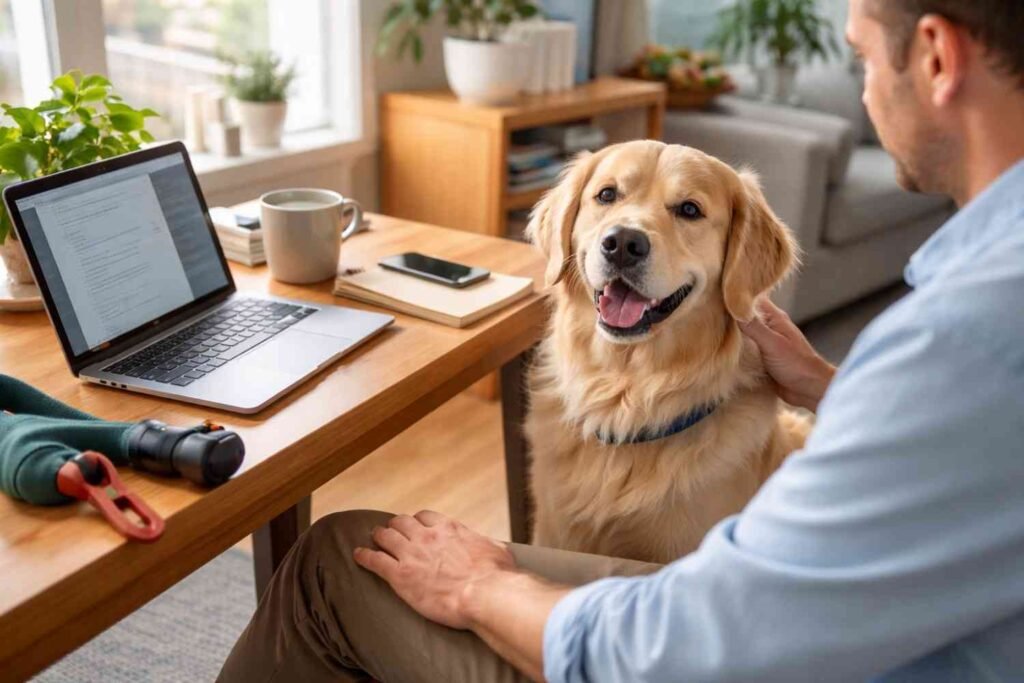
Flexible work arrangements are becoming more common, and even occasional remote work days can provide valuable time with a pet. Some workplaces also allow pet-friendly policies, which make it easier for employees to bring well-behaved dogs into the office environment.
Weekends also play an important role. When weekday schedules are busy, many dog owners use their days off for longer outdoor activities. Extended walks, hikes, training sessions, or visits to large parks help release built-up energy and strengthen the relationship between dog and owner.
Shared responsibility can also help when living with family members or roommates. Creating a simple schedule for walks, feeding, and playtime ensures that the dog’s needs are consistently met.
Quality Time Matters More Than Constant Presence

One common misconception about dog ownership is that dogs need constant attention throughout the day. In reality, most adult dogs spend a large portion of the day resting. What matters more is the quality of time they spend with their owner.
Focused activities like training, play, or outdoor adventures create stronger mental engagement than passive presence. A well-exercised and mentally stimulated dog often feels more satisfied than a dog that simply spends the day near its owner without structured interaction.
When balancing work life with dog ownership, prioritizing meaningful engagement during available hours makes a significant difference.
Frequently Asked Questions: Balancing Work Life With Dog Ownership While Managing a Full-Time Job
1. Can you realistically own a dog while working full-time?
Yes, many people successfully own dogs while maintaining full-time jobs. The key factors are consistent routines, daily exercise, and ensuring dogs receive mental stimulation and bathroom breaks during the day.
2. How long can a dog stay home alone during the workday?
Most healthy adult dogs can remain alone for several hours if they receive proper exercise beforehand. Puppies and senior dogs usually require more frequent supervision and bathroom breaks.
3. What helps dogs stay calm while their owners are at work?
Regular exercise, enrichment toys, and predictable routines help dogs relax during the day. Midday visits from a dog walker can also reduce stress and boredom.
4. Is dog daycare necessary for working dog owners?
Dog daycare is not always necessary, but it can benefit high-energy or very social dogs. Some dogs thrive with occasional daycare visits, while others are comfortable staying home with proper exercise and enrichment.
Final Thoughts
Balancing work life with dog ownership while managing a full-time job is less about finding extra hours and more about building a rhythm that works for both of you. Dogs adapt well when their days are predictable, and their physical and mental needs are consistently met. A structured routine, thoughtful enrichment, and occasional support from dog walkers or daycare services can transform what initially feels difficult into a sustainable lifestyle.
In the end, responsible dog ownership isn’t about being home every moment. It’s about creating meaningful time, meeting your dog’s needs, and building a routine that allows both of you to thrive.