
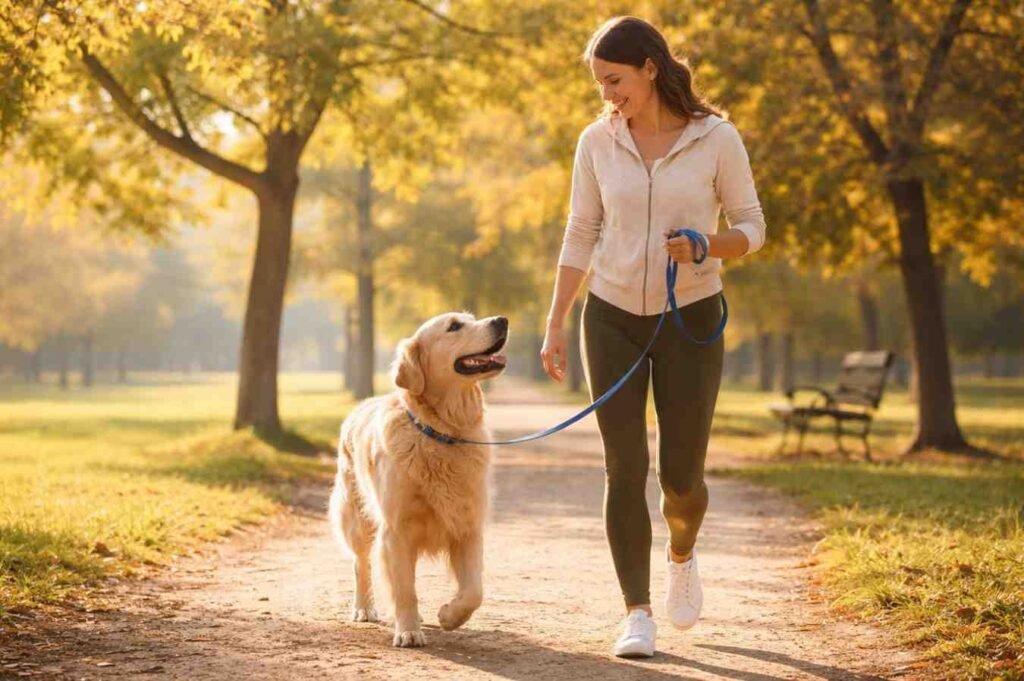
Life with a dog becomes much easier when both of you understand what the day looks like. I’ve noticed that dogs settle faster, listen better, and behave more calmly when they know what to expect. A predictable rhythm of walks, meals, rest, and play happening around the same time gives them a sense of structure that naturally encourages good behavior.
When routines are missing, many dogs start creating their own patterns. That often shows up as barking, chewing, restlessness, or constant attention-seeking. Building positive routines with your dog helps remove that uncertainty. Instead of reacting to chaos throughout the day, your dog learns that good things happen at certain times, and calm behavior becomes part of the routine itself.
Why Dogs Thrive On Predictable Daily Routines

Dogs rely heavily on patterns. In nature and in domestic environments, predictable activities help them feel secure. When a dog understands when food, exercise, and rest will happen, stress levels drop and attention shifts toward positive behaviors.
Many trainers and veterinarians observe that structured routines can reduce anxiety-related disorders like excessive barking or destructive chewing. Predictability also helps regulate digestion, sleep cycles, and energy levels.
From a behavior perspective, routines work because they reduce confusion. Instead of constantly guessing what might happen next, your dog begins anticipating activities and naturally preparing for them. That makes training easier and strengthens the connection between you and your pet.
Over time, routines also build trust. When your dog sees that you consistently provide food, activity, and attention at certain times, they begin to rely on that stability.
Core Elements Of Building Positive Routines With Your Dog

A balanced routine doesn’t have to be complicated. The goal is consistency across a few key areas that support both physical and mental well-being.
- Consistent mealtimes help regulate digestion and prevent constant food-seeking behavior.
- Daily exercise releases pent-up energy and prevents frustration-driven habits.
- Mental stimulation through games or short training sessions keeps the brain engaged.
- Rest and sleep allow dogs to recharge and avoid overstimulation.
- Regular bathroom breaks reinforce house training and physical comfort.
These pillars form the foundation of most healthy dog routines. Once they’re in place, behavior improvements often follow naturally.
How Structured Routines Improve Dog Behavior

Behavior problems often develop when dogs have too much unspent energy or too little mental stimulation. A well-structured routine prevents both.
Morning exercise, for example, can set the tone for the entire day. A brisk walk or short play session allows your dog to release energy early, making them calmer while you focus on work or other responsibilities.
Short training sessions also play a big role. Five to fifteen minutes of practicing basic commands or learning new tricks stimulates your dog mentally. Mental exercise can be just as tiring as physical activity, which helps prevent boredom-related behaviors.
Another often overlooked element is rest. Adult dogs typically sleep between twelve and fourteen hours each day. Without quiet time built into their routine, they may become overtired and irritable, similar to children who skip naps.
Predictable routines essentially create a cycle: exercise, engagement, rest, and repeat. This cycle supports better behavior throughout the day.
A Practical Daily Routine For Dogs

Every household operates differently, but most healthy routines follow a similar rhythm. The exact times can change depending on your schedule, but keeping the order of activities consistent is what matters most.
Morning often begins with a bathroom break immediately after waking. Dogs naturally need relief after a full night of sleep. A short walk or play session usually follows, allowing them to stretch and release energy.
Midday can include a short walk, a quick play session, or a few minutes of training. Even brief engagement helps break up long stretches of inactivity.
Afternoon and evening usually bring longer exercise sessions. This might be a walk around the neighborhood, a visit to a dog park, or a structured training session.
Dinner often happens in the early evening, followed by calmer activities such as light play, grooming, or simply relaxing together.
Small Habits That Strengthen Your Dog’s Routine

Once the basic structure is in place, small habits can make routines even more effective.
Dogs respond extremely well to clear signals. For example, using the same phrases like “walk time” or “dinner time” helps them associate specific words with activities. Over time, these cues become powerful behavioral guides.
Consistency across family members also matters. If one person allows behaviors that others discourage, dogs receive mixed messages that weaken the routine.
A few helpful habits include:
- Rewarding calm behavior before meals or walks
- Ending play sessions before dogs become overly excited
- Keeping training sessions short but frequent
- Maintaining consistent sleep areas for rest and nighttime
These small patterns reinforce the overall routine and strengthen positive behavior.
Adjusting Routines Without Causing Stress

Life rarely follows the exact same schedule every day. Work commitments, travel, or unexpected events can disrupt routines.
The key is flexibility without removing structure entirely.
Dogs generally adapt well when routines shift gradually. If feeding, indoor games, or walking times need to change, adjusting by fifteen or thirty minutes at a time helps them transition smoothly.
Predictable cues also help during transitions. Even if the timing shifts slightly, maintaining the same sequence of exercise, food, and rest keeps the day recognizable for your dog.
This approach maintains stability while still allowing your routine to evolve.
FAQ’s
1. Why Is Routine Important For Dogs?
Routine helps dogs feel safe because it removes uncertainty. Predictable schedules for meals, walks, and rest reduce anxiety and help dogs develop calmer, more consistent behavior patterns.
2. How Long Does It Take For A Dog To Adjust To A Routine?
Most dogs begin adapting to a new routine within one to two weeks. Consistency is the key factor. When daily activities happen around the same time, dogs quickly learn what to expect.
3. Can A Routine Help Reduce Destructive Behavior?
Yes. Many destructive behaviors are caused by boredom or excess energy. Regular exercise, mental stimulation, and rest periods help prevent chewing, digging, and other unwanted habits.
4. What Is The Most Important Part Of A Dog’s Daily Routine?
Exercise and mental stimulation are often the most impactful elements. Physical activity burns energy, while training and enrichment games keep dogs mentally engaged and satisfied.
Final Thoughts
Building positive routines with your dog is less about strict scheduling and more about creating predictable patterns that support your dog’s physical and emotional needs. When meals, walks, playtime, and rest follow a consistent rhythm, dogs feel more secure and naturally display calmer behavior. Over time, these routines strengthen communication between you and your pet, making everyday life smoother for both of you.
A simple routine built around consistency, exercise, and engagement can transform not only your dog’s behavior but the overall balance of your household.