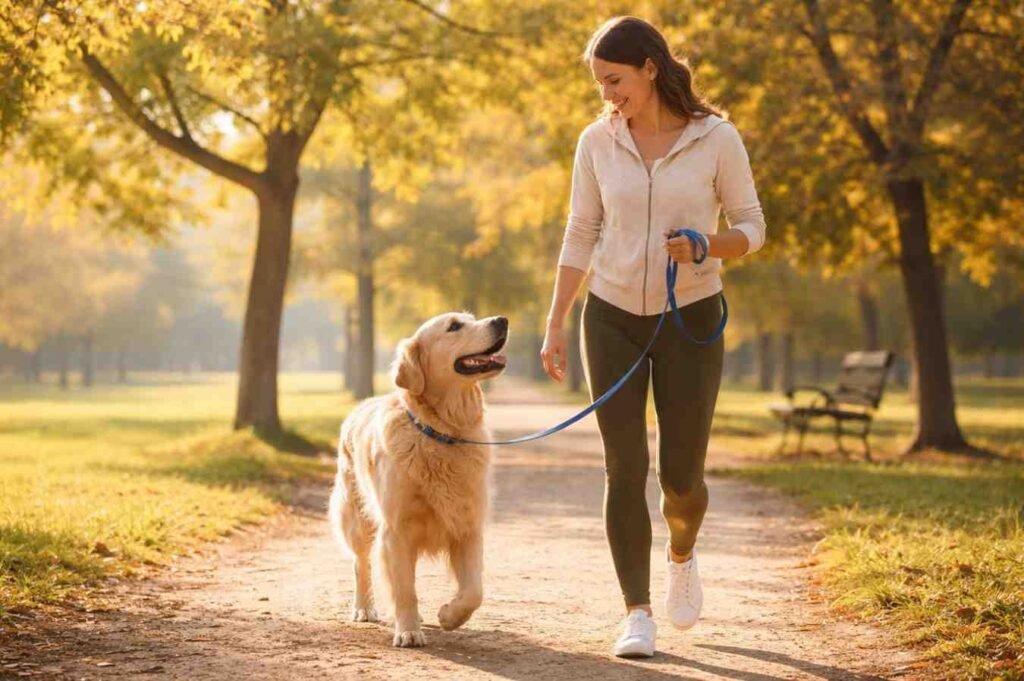

Anyone who has shared life with a dog knows loyalty isn’t just a trait t’s something you feel in everyday moments. A dog waiting by the door when you come home, following you from room to room, or quietly sitting beside you when something feels off. That kind of connection doesn’t happen by accident.
Many of the most loyal dogs today come from backgrounds that required partnership herding livestock, guarding property, or assisting hunters. Over time, those instincts turned into strong emotional bonds with their owners. Some breeds are naturally more devoted than others, but loyalty also grows through trust, training, and daily interaction.
What Makes Some Dogs More Loyal Than Others?

Loyalty in dogs often traces back to their historical purpose. Breeds that worked alongside humans, guard dogs, herding dogs, and hunting partners were selected for attentiveness, reliability, and strong attachment to their handlers. Those qualities still show up today.
Several factors influence why some dogs are especially loyal:
- Working history: Dogs bred for protection or herding often stay highly attentive to their owners.
- Trainability: Intelligent breeds quickly learn routines and develop strong human connections.
- Pack instincts: Dogs naturally form social hierarchies, and owners often become their central figure.
- Emotional awareness: Some breeds are remarkably sensitive to human moods and behaviors.
Because of these traits, certain breeds tend to stay physically and emotionally close to their people, sometimes earning nicknames like “shadow dogs” or “velcro dogs.”
German Shepherd
German Shepherds are widely known for their intelligence, courage, and unwavering loyalty. Originally bred for herding, they later became one of the most trusted working dogs in law enforcement, military units, and search-and-rescue teams.
Their loyalty often shows in how closely they attach to their family. Many German Shepherds naturally take on a protective role and stay alert to their surroundings. They typically bond strongly with one primary person but remain deeply devoted to the entire household.
Because they are highly intelligent and responsive to training, they thrive when given a purpose. Daily engagement, structure, and consistent interaction strengthen the already strong loyalty this breed is known for.
Labrador Retriever

Few breeds have earned a reputation for loyalty quite like the Labrador Retriever. For years, Labradors have been one of the most widely loved companion dogs, known for their friendly temperament and eagerness to cooperate with people.
Originally developed as hunting partners that retrieved waterfowl, Labradors learned to work closely with humans. That cooperative history shows in their personality today. They enjoy being involved in family life and often look for ways to participate in whatever their owners are doing.
Their loyalty is expressed less through guarding and more through companionship. Labradors are often happiest simply staying near their people, whether that means playing outdoors, joining a walk, or resting at someone’s feet after a long day.
Golden Retriever

Golden Retrievers are often described as the ultimate family companion. They combine intelligence, gentleness, and emotional sensitivity, which helps them form strong connections with people.
Many owners notice how tuned-in Goldens can be to human emotions. They seem to recognize when someone needs comfort and respond with calm affection. This emotional awareness is one reason they are frequently chosen for therapy and service roles.
Their loyalty tends to show through affection and attentiveness. Golden Retrievers want to be included in family activities and usually thrive in environments where they receive plenty of interaction and companionship.
Akita

The Akita has one of the most famous loyalty stories in canine history. The breed gained worldwide recognition through the story of Hachikō, a dog who continued waiting at a train station for his owner long after the owner had passed away. That story perfectly illustrates the intense devotion Akitas are known for.
Akitas often form an especially deep bond with one individual. They are naturally protective and highly aware of their surroundings. While affectionate with their family, they tend to be more reserved with strangers.
Because of their strong protective instincts, Akitas benefit from early socialization and consistent training. When raised with structure and trust, their loyalty becomes one of their most defining characteristics.
Doberman Pinscher

Doberman Pinschers were originally bred to serve as personal protection dogs. As a result, they developed a strong instinct to stay near their owners and respond quickly to potential threats.
Owners often describe Dobermans as the best dog breeds that are easy to train and extremely devoted companions who prefer to stay physically close to the people they trust. This closeness earned them the nickname “velcro dogs.”
Despite their protective image, well-trained Dobermans are affectionate, intelligent, and responsive to their families. With proper training and socialization, their loyalty becomes a powerful blend of protection and companionship.
Breed Groups That Naturally Develop Strong Loyalty

Different breed groups often express loyalty in unique ways depending on their historical roles:
- Working dogs: protective, confident, and focused on guarding their people
- Herding dogs: attentive and deeply bonded to their “pack.”
- Sporting dogs: cooperative companions that thrive on teamwork with humans
- Toy breeds: highly affectionate dogs that prefer constant closeness
While breed traits influence loyalty, daily interaction and training still play a major role in strengthening the bond between dogs and their owners.
Frequently Asked Questions
1. Are certain dog breeds naturally more loyal than others?
Yes. Breeds historically developed for guarding, herding, or working closely with humans tend to display stronger loyalty. However, environment, training, and consistent interaction also shape a dog’s devotion.
2. Which dog breed is considered the most loyal?
There is no single definitive answer, but breeds like German Shepherds, Akitas, and Labradors are frequently recognized for their strong devotion and deep attachment to their owners.
3. Do small dog breeds show the same loyalty as large breeds?
Absolutely. Smaller breeds like Dachshunds or Chihuahuas often form very strong attachments to their owners, sometimes bonding intensely with one individual.
4. Can training improve a dog’s loyalty?
Yes. Positive reinforcement, daily interaction, and trust-building activities significantly strengthen the human–dog bond, regardless of breed.
Final Thoughts
Loyalty is one of the most meaningful qualities dogs bring into people’s lives. While some breeds naturally lean toward strong devotion due to their working history and temperament, the bond between a dog and its owner ultimately grows through everyday interaction. Time spent training, walking, playing, and simply being present together builds trust that turns companionship into something deeper.
In the end, loyalty isn’t limited to a specific breed. With care, patience, and connection, almost any dog can become a devoted companion that stays by your side through every stage of life.