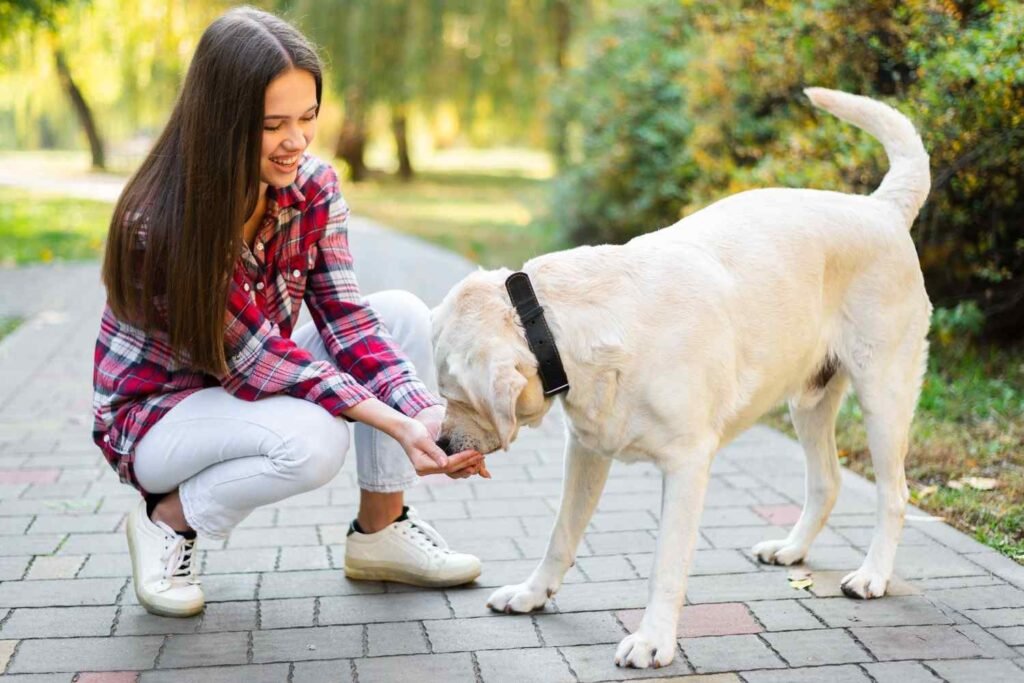
The first time my dog barked at a skateboard rushing past us on the sidewalk, I realized he wasn’t misbehaving—he simply didn’t know how to react. That moment pushed me to learn the dog socialization tips professional trainers rely on. Many owners think socialization means meeting every dog or greeting every stranger. In reality, success looks different.
A well-socialized dog can calmly ignore loud traffic, barking dogs, bicycles, or busy sidewalks. Across neighborhoods and parks in the United States, dogs face new situations daily. The right dog socialization tips build confidence, teach calm behavior, and help dogs navigate everyday life without fear or stress.
What Dog Socialization Really Means
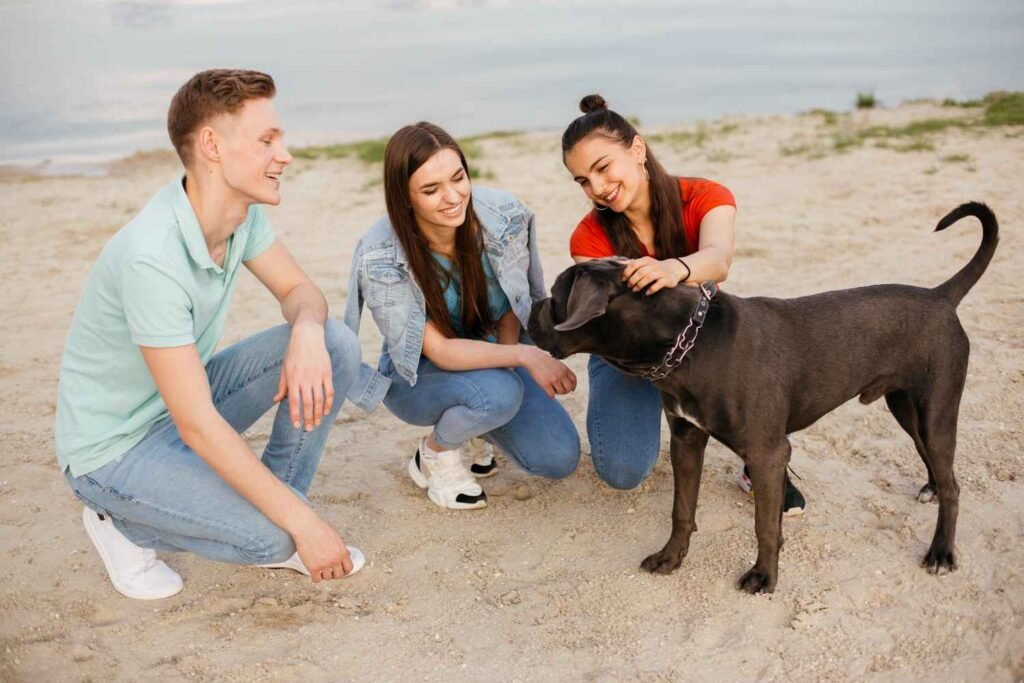
Dog socialization means teaching a dog to feel comfortable in different situations. In the United States, dogs regularly encounter busy sidewalks, delivery drivers, crowded parks, and noisy streets. Without proper exposure, these everyday experiences can trigger anxiety.
The goal is not constant interaction. I focus on neutrality. When my dog calmly ignores a skateboard rolling past or another dog barking across the street, that is successful socialization.
Well-socialized dogs usually show these traits:
- Calm behavior around strangers
- Confidence in new environments
- Ability to ignore distractions
- Reduced fear of unfamiliar sounds
This approach transforms daily outings from stressful events into routine experiences.
When Should You Start Socializing a Puppy?
Veterinarians and trainers emphasize a “critical socialization window” between 3 and 14–16 weeks of age. Puppies learn quickly during this stage, and early exposure shapes their behavior later in life.
Even though vaccines are still in progress during this period, controlled exposure remains important. Instead of visiting crowded dog parks, I introduce my puppy to safe experiences such as meeting vaccinated dogs owned by friends or observing public spaces from a distance.
The earlier puppies encounter different sights, sounds, and people, the easier it becomes for them to stay calm as adults. This early exposure is essential for Shaping Behavior In Positive Dog Training.
How I Safely Socialize a Puppy Before Full Vaccinations
Many American dog owners worry about public exposure before vaccinations are complete. I focus on controlled environments.
Here are safe strategies I use.
Carry Walks
I carry my puppy through neighborhoods, outdoor shopping areas, or farmers markets. My dog observes people, traffic, and sounds without touching the ground.
Puppy Playdates
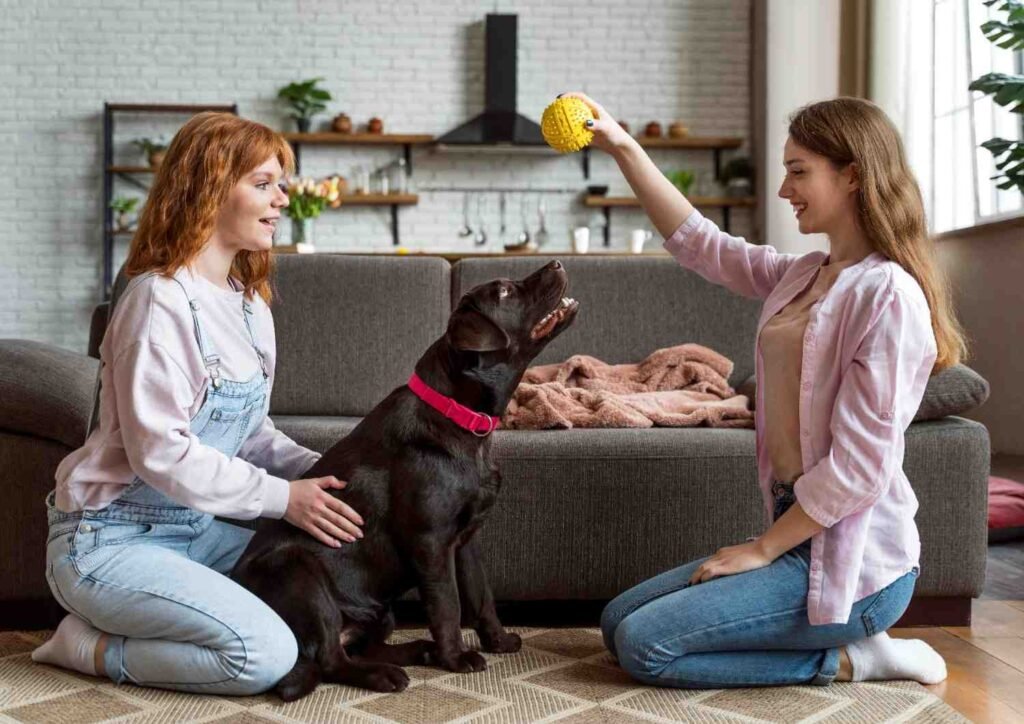
Short play sessions with healthy, vaccinated dogs help puppies practice communication and build confidence.
Environmental Observation
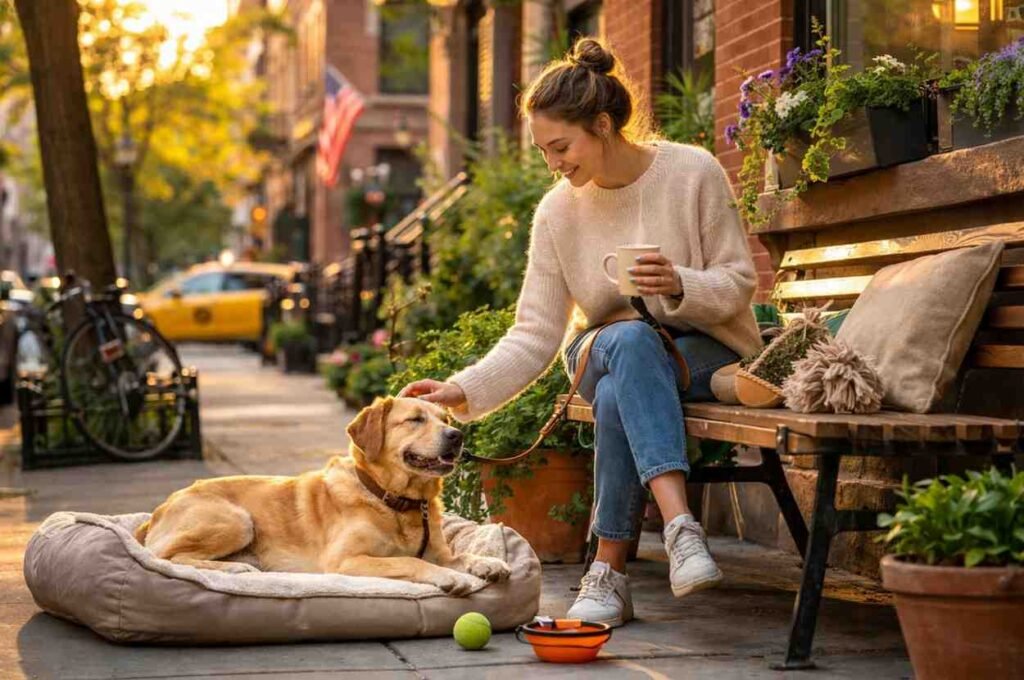
Sometimes I simply sit with my puppy on a bench while the world passes by. Watching people, bicycles, and strollers from a safe distance builds calm awareness.
These experiences support early learning without unnecessary risk.
Core Principles That Make Socialization Successful
The most effective dog socialization tips rely on a few key training principles used by professional trainers.
Positive Reinforcement Creates Confidence
I reward calm behavior with high-value treats, praise, or play. If my dog becomes too stressed to accept a treat, that tells me I moved too fast and need to increase distance from the trigger.
Neutrality Is the Real Goal
A dog does not need to greet every person or dog. Calmly ignoring distractions is often the healthiest response.
Gradual Exposure Works Best
Short and positive exposures repeated frequently produce better results than long stressful outings.
The Rule of Sevens for Early Puppy Socialization
One popular framework used by trainers is the Rule of Sevens. By the time a puppy reaches seven weeks old, I try to expose them to a variety of experiences.
These might include:
- 7 different surfaces such as grass, carpet, gravel, wood, tile, sand, and pavement
- 7 different types of people including children, men with hats, people with backpacks, and seniors
- 7 different locations like parks, sidewalks, pet stores, and quiet streets
The purpose is not to overwhelm the puppy but to build familiarity with everyday experiences.
Step-by-Step Exposure Methods I Use
Control the Distance
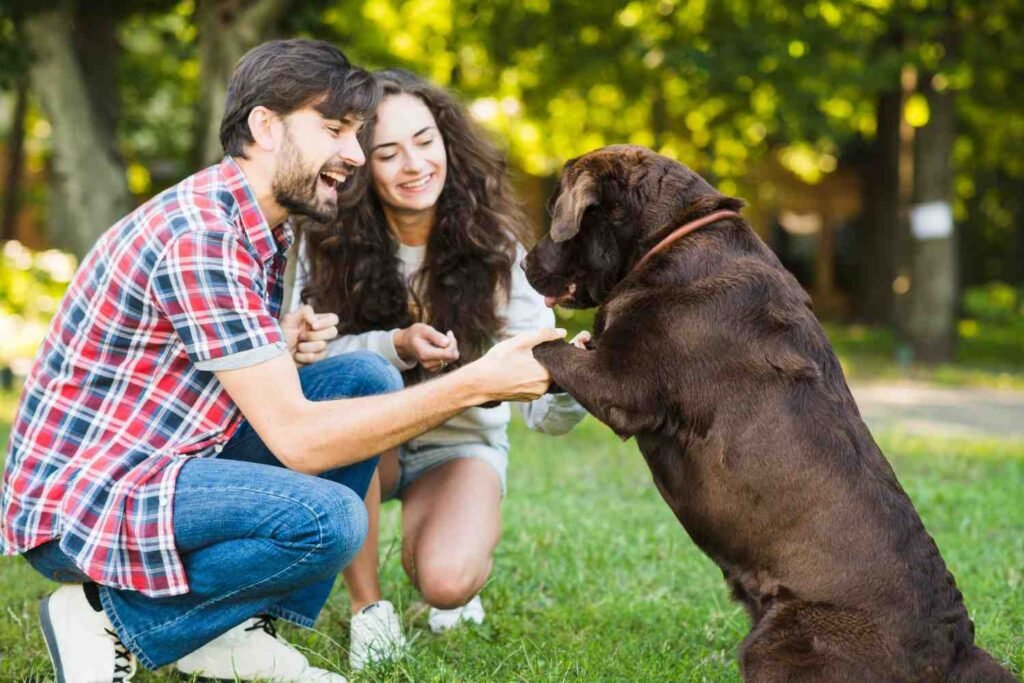
If my dog notices a stimulus but remains relaxed, I stay at that distance and reward calm behavior. Over time I slowly decrease the distance.
Change Walking Routes
I vary our daily walking routes around my neighborhood. This exposes my dog to different sights, smells, surfaces, and sounds.
Practice Gentle Handling
Daily gentle touching of paws, ears, tail, and mouth prepares dogs for vet visits and grooming appointments.
Sound Conditioning
I use recordings of fireworks, sirens, or doorbells at low volume while my dog eats or plays. Gradually increasing volume helps dogs adapt to loud urban sounds common in American cities.
These techniques form the foundation of consistent dog socialization tips I follow every week.
How I Know When My Dog Is Overwhelmed
Dogs communicate stress through body language. Recognizing these signals helps prevent negative experiences.
Common stress signals include:
- Tail tucked under the body
- Excessive panting
- Avoiding eye contact
- Freezing or attempting to hide
When I notice these behaviors, I immediately increase distance from the situation and allow my dog to relax.
Socialization should build confidence, not fear.
Socialization Strategies for Rescue and Adult Dogs
Many rescue dogs in the U.S. arrive with limited social exposure. In these cases, I follow a slower process.
A helpful guideline is the 3-3-3 rule often used by rescue organizations.
- First 3 days: The dog decompresses and adjusts to the new home.
- First 3 weeks: The dog begins learning routines and building trust.
- First 3 months: Confidence grows and training becomes easier.
Adult dogs can absolutely learn new behaviors. They simply need patience, gradual exposure, and consistent rewards.
Socialization Mistakes I Always Avoid
Over time I have learned that certain mistakes can undo progress quickly.
Forcing Interactions
If a dog feels afraid, forcing them to approach something often creates long-term fear.
Rushing Exposure
Too many new experiences in a short period can overwhelm a dog.
Risky Dog Park Visits
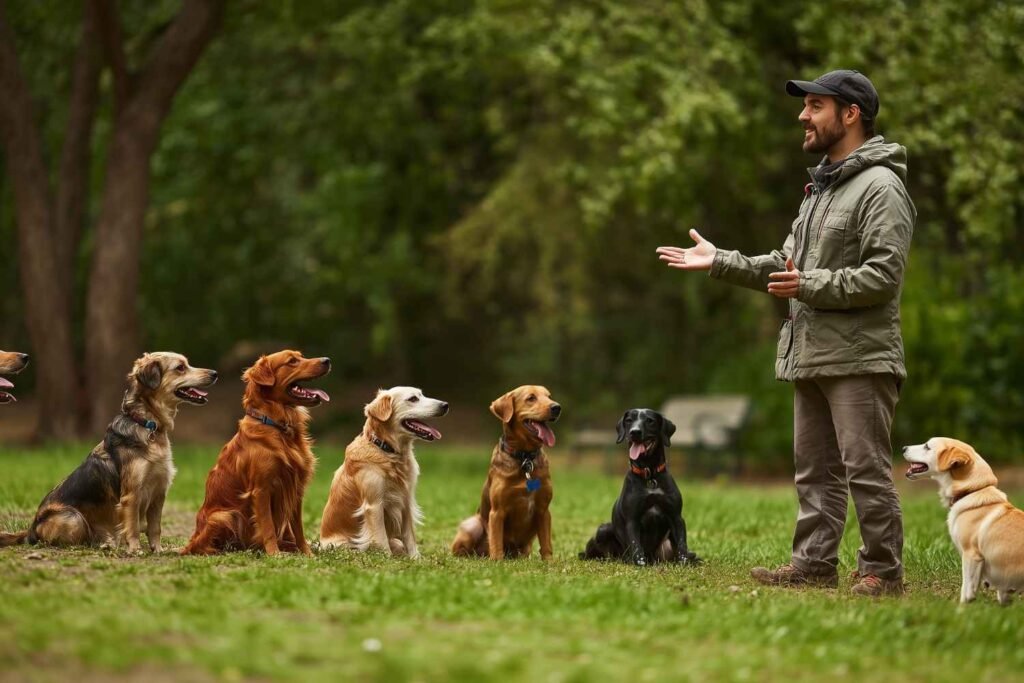
Early socialization at crowded dog parks can backfire. One negative encounter may cause lasting fear or reactivity. Controlled playdates with friendly dogs are much safer.
Avoiding these mistakes keeps training positive and effective.
Frequently Asked Questions (FAQs)
1. How often should I socialize my dog?
Short sessions several times per week work best. Even 10-minute exposures to new environments can help dogs build confidence.
2. Can older dogs still learn socialization skills?
Yes. Adult dogs may need more time, but gradual exposure and positive reinforcement can still produce excellent results.
3. Is dog daycare good for socialization?
Some dogs benefit from daycare environments, but structured introductions and smaller playgroups usually work better for beginners.
4. What if my dog refuses treats during training?
Refusing food often indicates stress. Increasing distance from the trigger usually helps restore comfort.
Helping Dogs Thrive in Everyday American Life
Living in the United States exposes dogs to busy neighborhoods, crowded parks, delivery trucks, fireworks, and constant activity. Teaching dogs to remain calm in these environments is one of the most valuable skills an owner can develop.
By focusing on gradual exposure, positive reinforcement, and neutrality rather than forced interactions, socialization becomes a natural part of daily life. Over time, these experiences help dogs feel confident, safe, and relaxed no matter where they go.