Bringing a dog home for the first time is exciting, but it can also feel overwhelming. I remember standing in my living room with a leash, a bag of food, and a hundred questions running through my mind. Was my home ready? How long would it take for my dog to adjust? And what should I do first?
Many new pet parents in the United States face the same uncertainty. That is why understanding the right first time dog owner tips from the beginning matters. With the help of the proven 3-3-3 adjustment rule, proper preparation, and simple routines, you can help your dog settle in comfortably and start building a strong lifelong bond.
What Is the 3-3-3 Rule for Dogs Adjusting to a New Home?

Veterinarians and trainers often use the 3-3-3 rule to describe how dogs adapt after adoption. This timeline helps owners understand what their dog may experience during the first few months.
First 3 Days: Decompression
During the first few days, many dogs feel overwhelmed. They may sleep more than usual, avoid interaction, or eat less food.
I keep the environment calm during this stage. Limiting visitors and maintaining a quiet home helps the dog settle in and observe their surroundings safely.
First 3 Weeks: Learning the Routine
By the third week, most dogs start understanding household routines such as feeding times, walks, and bedtime.
This stage often includes mild boundary testing. Consistent training and positive reinforcement not only reinforce expectations but also help improve dogs focus during daily activities.
First 3 Months: Building Trust
After several months, dogs usually feel secure in their new home. Their true personality begins to appear, and the bond between owner and pet grows stronger.
Recognizing this adjustment timeline is one of the most helpful first time dog owner tips I share with new pet parents.
How Should You Prepare Your Home Before Bringing a Dog Home?
Preparation makes the first days smoother and safer. Before my dog arrived, I spent time organizing the house and removing potential hazards.
Dog-Proof Your Home
Dogs explore with curiosity, especially in new environments. I recommend removing toxic plants such as lilies or sago palms and storing cleaning supplies out of reach.
Electrical cords, trash cans, and small objects should also be secured to prevent chewing accidents.
Create a Comfortable “Dog Zone”
Every dog benefits from having a safe space. I usually set up a quiet corner with a crate or dog bed where the dog can relax without interruption.
This area becomes their retreat when they feel overwhelmed.
What Essential Supplies Should Every New Dog Owner Buy?
Pet stores offer endless products, but beginners only need a few essentials at first. I focus on the items that support daily care and comfort.
Feeding Essentials
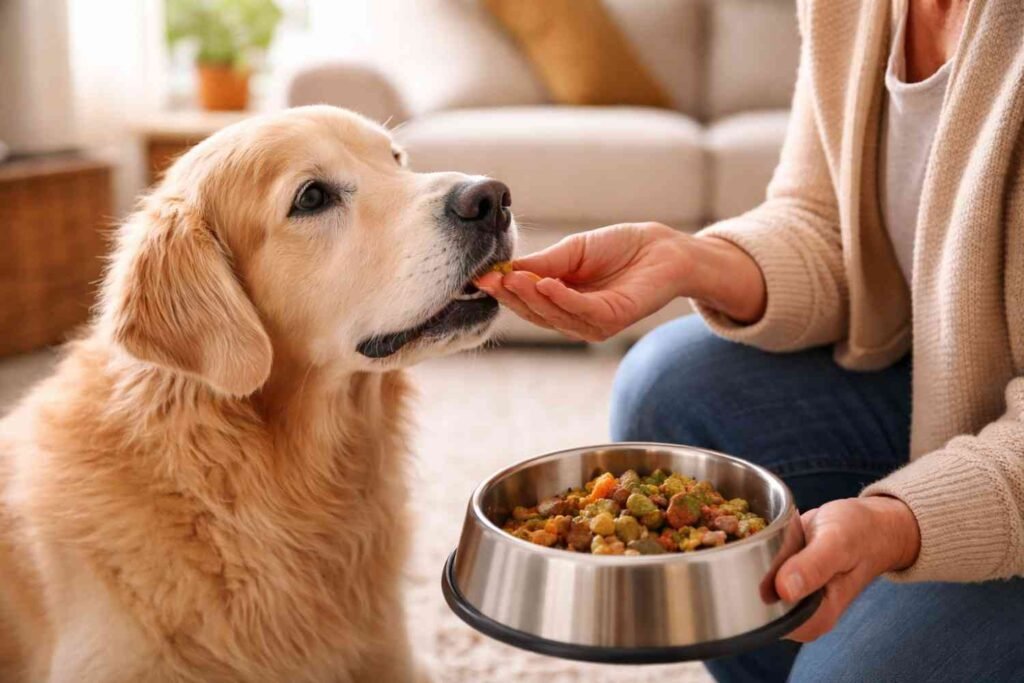
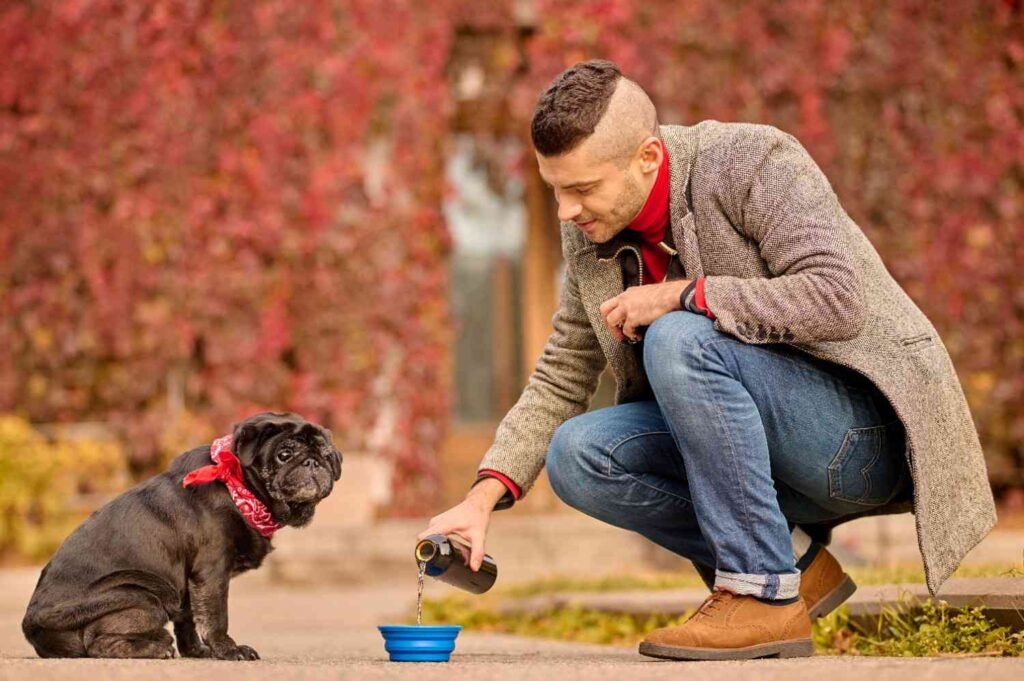
Quality nutrition supports long-term health. I always recommend stainless steel or ceramic food and water bowls because they resist bacteria better than plastic.
Choose dog food appropriate for your dog’s life stage such as puppy, adult, or senior formulas.
Walking and Identification
Every dog needs a flat collar with an ID tag, along with a sturdy four-to-six-foot leash for safe walking.
Identification tags should include your phone number and address so your dog can be returned if lost.
Cleaning and Hygiene
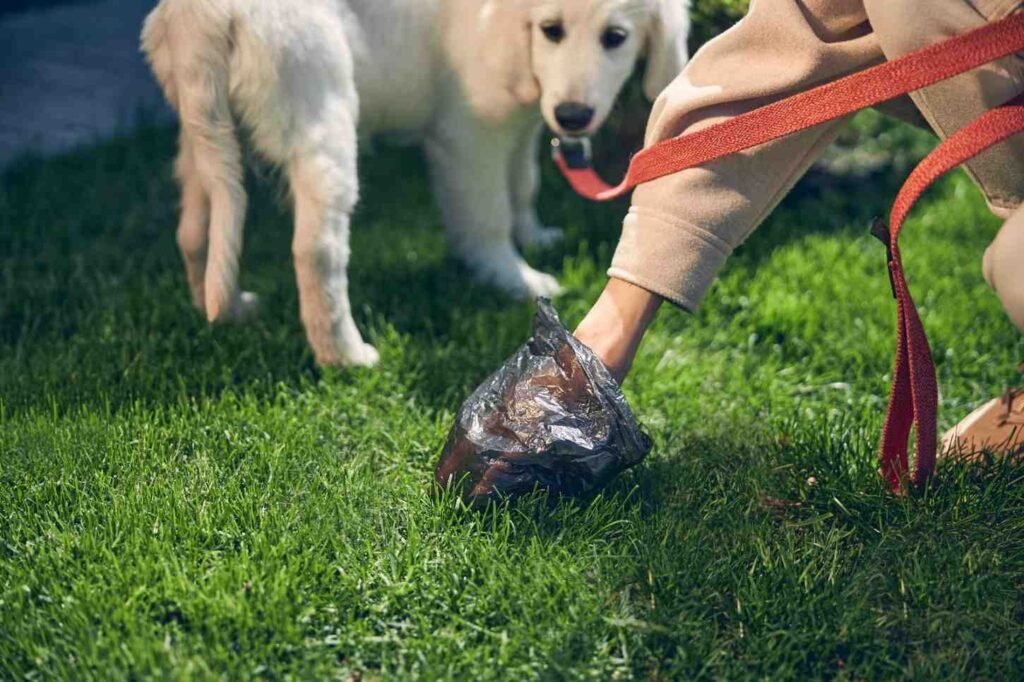
Accidents happen during the first weeks. I keep poop bags and enzymatic cleaners ready because they remove odor molecules that attract dogs back to the same spot.
Toys and Enrichment
Dogs need mental stimulation as much as physical exercise. Durable chew toys such as Kong toys and puzzle toys prevent boredom and destructive behavior.
How Do First Time Dog Owners Train Their Dog Effectively?
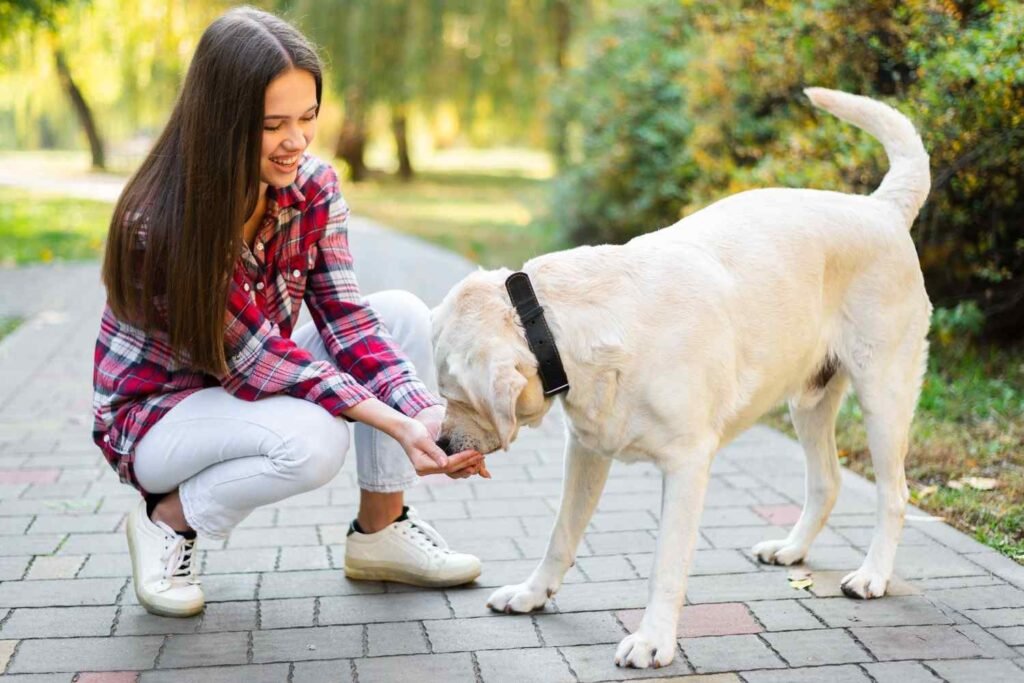
Training shapes behavior and builds trust. I rely on a positive reinforcement approach, which focuses on rewarding good behavior rather than punishing mistakes.
Treats, praise, and toys work well as rewards. When dogs associate good behavior with positive outcomes, they learn commands faster and maintain confidence.
Consistency also matters. Feeding, walking, and sleeping schedules should occur at similar times every day. Routine reduces anxiety and helps dogs understand expectations.
Another important concept is neutral socialization. Socialization does not mean letting your dog greet every person or animal. Instead, it means teaching them to remain calm around common distractions like cyclists, buses, or strangers.
These practical routines represent some of the most reliable first time dog owner tips for building a confident and well-behaved companion.
What Health Care Steps Should New Dog Owners Take Immediately?
Early veterinary care plays a crucial role in responsible dog ownership. I always recommend scheduling a veterinary visit within the first week of adoption.
Establish a Veterinarian Relationship
A wellness exam allows the veterinarian to review vaccination records, evaluate overall health, and discuss preventative care plans.
This visit also gives owners an opportunity to ask questions about diet, behavior, and parasite prevention.
Preventative Care
Most veterinarians recommend monthly flea, tick, and heartworm prevention. These medications protect dogs from common parasites found across the United States.
Dental Health
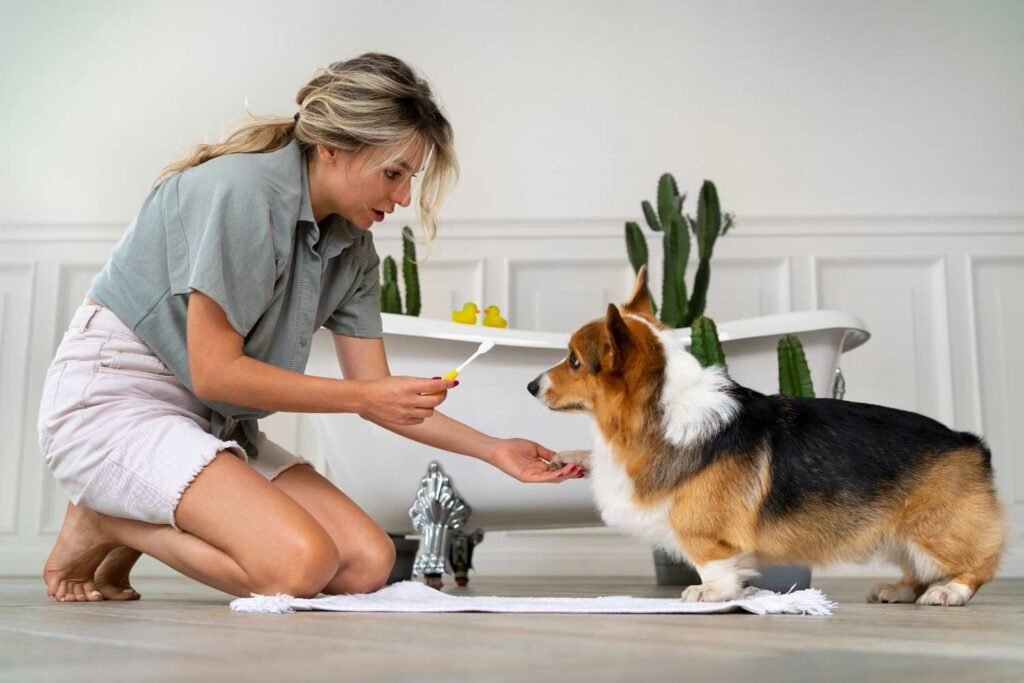
Dental disease is one of the most common health issues in dogs. Starting early with dog-safe toothpaste and brushing routines helps prevent long-term health problems.
Consider Pet Insurance
Many pet insurance providers will not cover conditions considered pre-existing. Because of that, enrolling soon after adoption often provides better coverage options.
What Daily Routine Helps Dogs Adjust Faster?

Dogs thrive on predictable routines. When my dog knows what to expect each day, he behaves calmly and confidently.
A typical daily routine includes:
Morning walk and bathroom break
Breakfast at the same time each day
Short training sessions or enrichment activities
Afternoon rest or playtime
Evening walk followed by dinner
Quiet time before bedtime for building a bond
Establishing a routine early supports training success and strengthens the bond between dog and owner.
Frequently Asked Questions (FAQs)
1. What is the biggest mistake new dog owners make?
The most common mistake is inconsistency. Dogs learn faster when routines, commands, and expectations remain predictable.
2. How much does owning a dog cost in the United States?
Most American dog owners spend between $1,200 and $2,500 annually on food, veterinary care, grooming, and supplies.
3. How long does it take a dog to adjust to a new home?
Many dogs begin settling within three days, understand routines by three weeks, and fully adapt within three months according to the 3-3-3 rule.
4. Should new dog owners adopt a puppy or adult dog?
Puppies require more training and supervision, while adult dogs may already have basic training and calmer temperaments.
A Realistic Perspective for New Dog Owners
Owning a dog brings incredible companionship, but it also requires responsibility and patience. Preparation, routine, and understanding canine behavior make the transition smoother for both dog and owner.
When new pet parents focus on preparation, dog training consistency, and proper veterinary care, they build a strong foundation for a lifelong relationship with their dog.