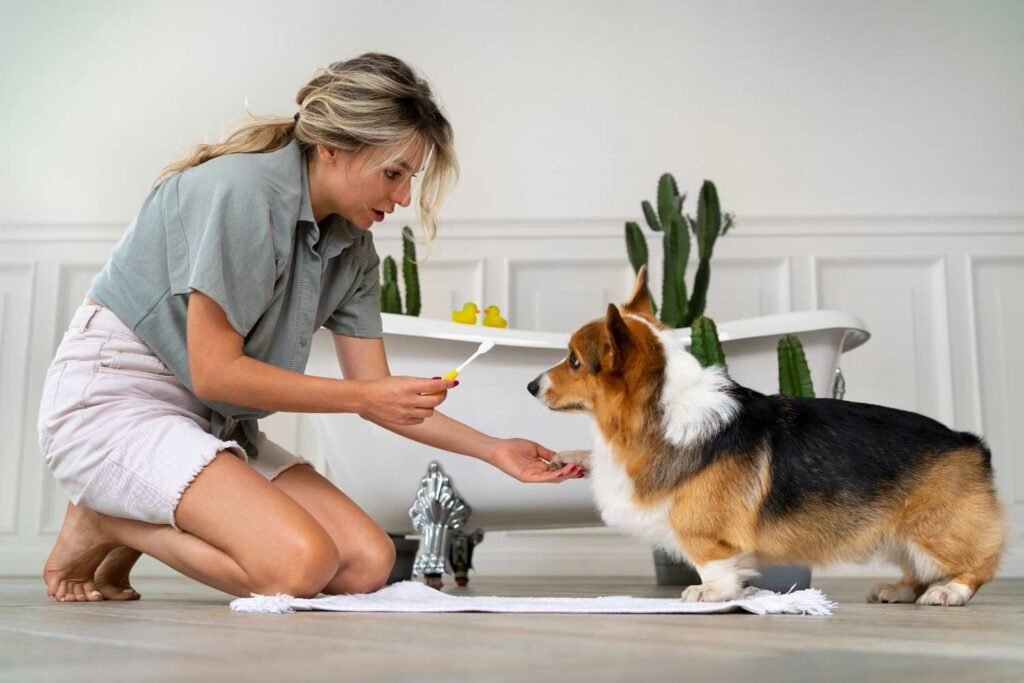
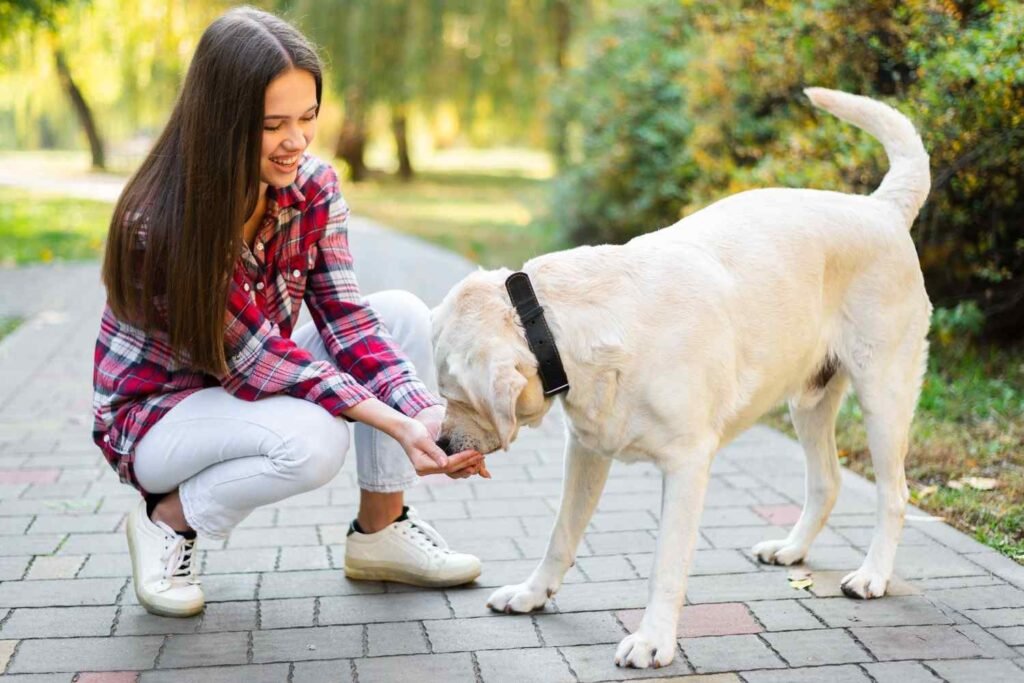
The first week after bringing my dog home felt like chaos. Shoes disappeared, the couch became a trampoline, and every walk felt like a tug-of-war. I quickly realized that love alone doesn’t teach a dog good behavior. What my dog really needed was structure and clear communication.
That’s when I started learning proper dog obedience training methods used by professional trainers across the United States. Instead of punishment, I focused on positive reinforcement, short training sessions, and essential commands like sit, stay, and come.
Within weeks, my dog started listening better and behaving calmly. With the right approach, any dog owner can build trust and raise a well-behaved companion.
Why Positive Reinforcement Works Best for Training Dogs
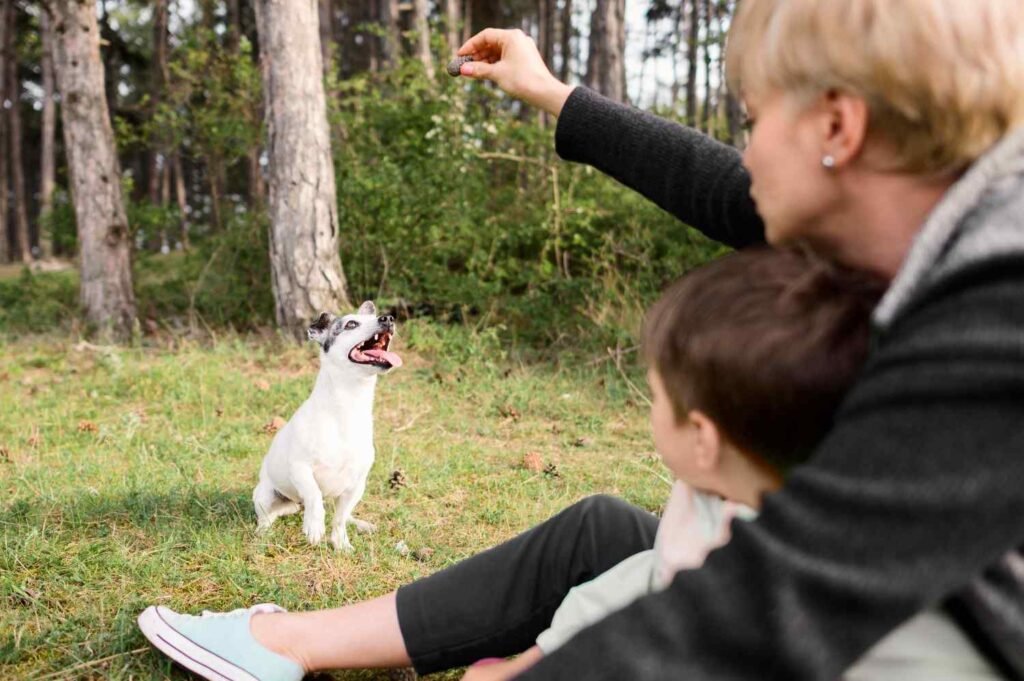
Most professional trainers in the U.S. recommend positive reinforcement training because it builds trust while improving learning speed.
Instead of correcting mistakes with punishment, I reward the behavior I want my dog to repeat. When my dog sits calmly or responds to a command, I immediately provide a treat, praise, or a quick play session.
This method strengthens the bond between owner and pet while helping dogs understand expectations more clearly.
Veterinary organizations and training experts consistently recommend reward-based systems because they reduce stress and improve long-term reliability.
When Should You Start Training Your Dog?
Many people assume training should start later, but the best time to begin structured learning is surprisingly early.
Professional trainers recommend beginning formal lessons when puppies reach 4 to 6 months old. At this stage, dogs can focus longer and understand consistent cues.
However, I’ve also successfully trained adult rescue dogs. Age matters less than consistency.
Early training provides major benefits:
Prevents destructive habits
Improves social behavior
Builds confidence
Strengthens the human-dog bond
It also helps with behavior control, including stopping Dog Barking before it becomes a long-term habit.
In my experience, dogs learn fastest when training becomes part of daily routines rather than occasional practice sessions.
What Commands Should Every Dog Learn First?
Every strong training program starts with a few essential commands that improve safety and control.
Sit
This command is usually the easiest starting point. It teaches impulse control and helps calm excited dogs before meals or greetings.
Stay or Wait
Stay prevents dogs from running into dangerous situations such as traffic or crowded areas.
Come (Recall)
Reliable recall may be the most important safety skill. When my dog responds to “come,” I can quickly call them away from hazards.
Down
This command helps train a hyperactive dog and encourages calm behavior in busy environments.
Leave It or Drop It
Dogs often explore with their mouths. This command prevents them from ingesting harmful or toxic objects.
Mastering these core skills builds the foundation for effective dog obedience training and everyday behavior management.
How I Structure My Daily Training Routine

One mistake I made early on was trying long training sessions. Dogs have short attention spans, so short and frequent practice works better.
I now follow a simple routine:
Morning training (5 minutes)
Practice sit, stay, and recall before feeding.
During walks
Reinforce leash manners and heel commands.
Before playtime
Ask for a command before throwing a toy.
Evening refresher session
Practice new skills or reinforce previous commands.
Short sessions of 10 to 15 minutes, repeated two or three times daily, produce far better results than long sessions.
What Is Proofing and Why Is It Important?
Proofing is one of the most overlooked steps in training.
When a dog learns a command at home, they may still struggle in distracting environments. I noticed this when my dog responded perfectly in the living room but ignored commands at the park.
Proofing solves this problem.
After a dog understands a command indoors, I practice it in gradually more challenging environments:
Backyard
Quiet sidewalks
Public parks
Busy streets
Gradually increasing distractions helps build reliable dog obedience training that works in real-world situations.
Common Training Mistakes I Learned to Avoid
Even with good intentions, many dog owners struggle with training consistency. I made several mistakes early on.
Inconsistent Commands
Using different words for the same action confuses dogs.
Sessions That Are Too Long
Dogs lose focus quickly, so shorter sessions improve learning.
Punishing Mistakes
Punishment damages trust and slows progress.
Lack of Daily Practice
Training works best when it becomes part of everyday life.
Fixing these mistakes dramatically improved my dog’s responsiveness.
Should You Consider Professional Dog Training?
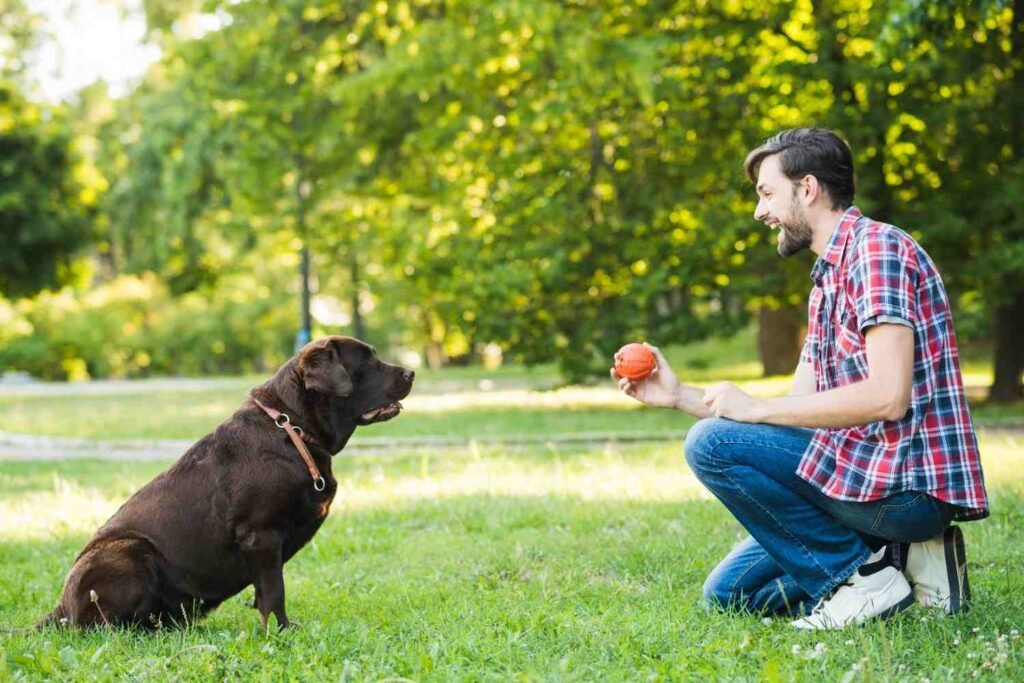
Some dogs benefit from professional guidance, especially when dealing with behavior issues such as aggression, anxiety, or leash reactivity.
Professional trainers can provide:
Structured lesson plans
Socialization opportunities
Behavior correction strategies
Owner education
Many trainers now offer flexible options including private lessons, group classes, and online coaching. Even a few sessions can accelerate your progress and help you build confidence as a dog owner.
Frequently Asked Questions (FAQs)
1. How long does it take to train a dog?
Most dogs begin responding to basic commands within two to four weeks of consistent practice. Strong reliability may take several months.
2. Can older dogs still learn obedience skills?
Yes. Adult dogs can learn new commands at any age when training uses positive reinforcement and consistency.
3. How often should I train my dog?
I recommend two to three short training sessions daily. Regular practice strengthens learning and builds long-term reliability.
4. Do treats spoil dogs during training?
Treats simply act as rewards. When used correctly, they help reinforce positive behavior and improve learning speed.
Why Training Strengthens Your Relationship With Your Dog
Looking back, training transformed my relationship with my dog. Instead of constant frustration, we developed clear communication and mutual trust.
Walks became calmer. Visitors felt comfortable. My dog gained confidence and understood expectations.
Most importantly, training strengthened our bond. With patience, consistency, and positive reinforcement, any dog can learn the skills needed to become a well-behaved companion.